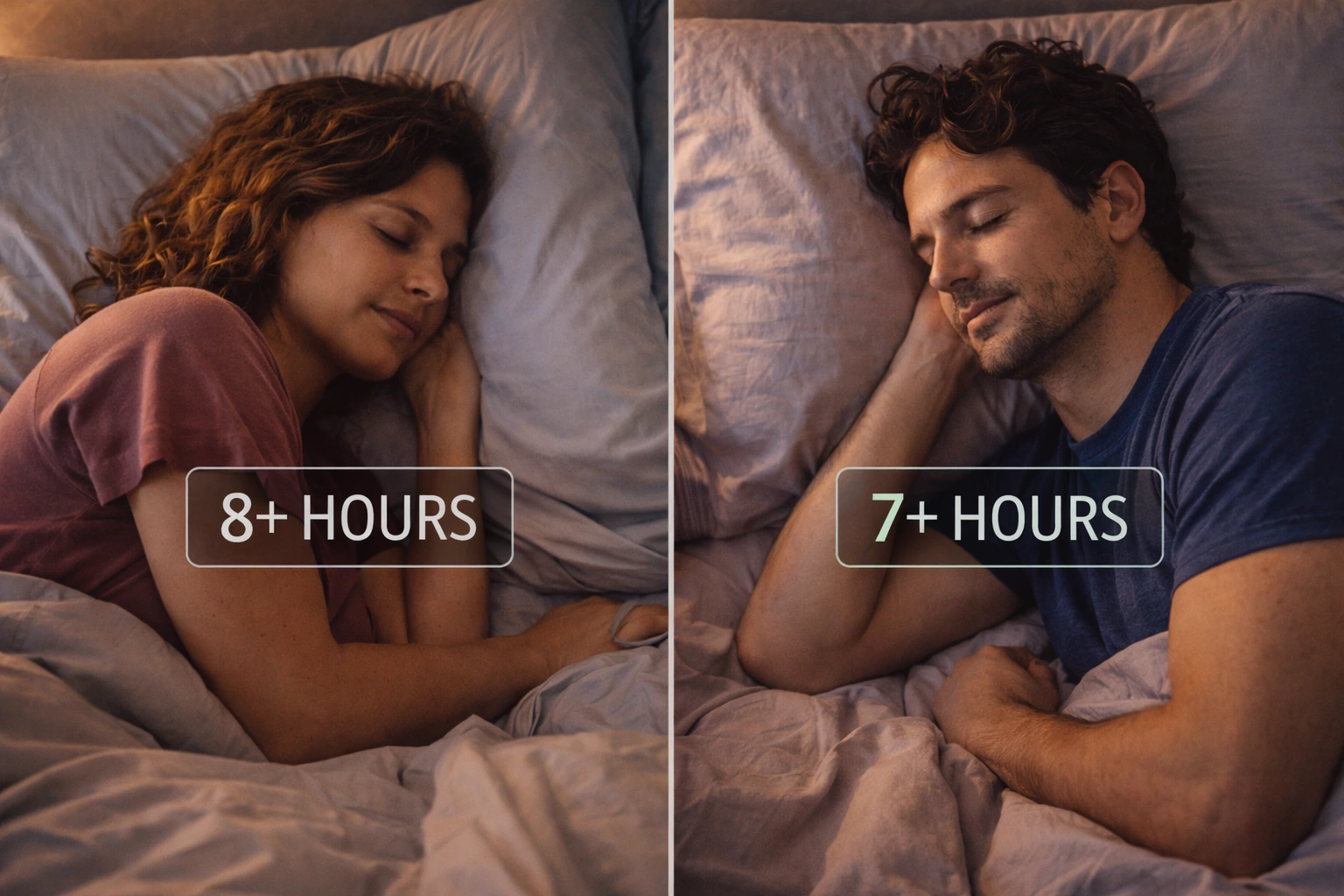
My brain’s spinning like a hamster wheel at 2 AM, desperately trying to understand the complex world of required sleep men vs women that’s keeping me wide awake.
Understanding sleep needs of men and women
Navigating the intricate landscape of sleep requirements reveals fascinating biological differences between men and women. Our bodies operate like complex machinery, with hormones and brain chemistry playing unique roles in determining sleep patterns. For instance, women’s brains process emotional information more extensively during sleep, which means their neural networks require more restoration time. Imagine your brain as a sophisticated computer that needs longer defragmentation for women compared to men, with hormonal fluctuations adding another layer of complexity to this nightly reset process.
- The recommended amount of sleep for adults is 7-9 hours per night.
- Women tend to require up to 20 minutes more sleep than men on average.
- Hormonal changes like menstruation and pregnancy can affect women’s sleep patterns.
Common sleep challenges faced by young adults
Modern life feels like a relentless obstacle course for sleep, with digital distractions, career pressures, and social expectations constantly bombarding our nervous systems. Picture a typical young professional juggling remote work, social media scrolling, late-night networking events, and caffeine-fueled productivity. These lifestyle factors create a perfect storm of sleep disruption, where cortisol levels spike, melatonin production gets thrown off balance, and our natural circadian rhythms become as unpredictable as a roller coaster. The constant connectivity and performance expectations mean our brains struggle to transition from high-alert mode to restful relaxation.
💬 Ready to feel better in 2 minutes?choose where to begin:
Strategies for better sleep quality
Transforming your sleep landscape requires a holistic approach that treats rest as a sacred ritual rather than an afterthought. Start by creating a personalized sleep sanctuary that signals to your brain it’s time to wind down. This might mean investing in blackout curtains, using white noise machines, or developing a consistent pre-sleep routine that includes gentle stretching, journaling, or meditation. Consider technology detox zones where smartphones are banned at least an hour before bedtime, allowing your nervous system to gradually shift from stimulation to serenity. Small, intentional changes can dramatically recalibrate your body’s sleep architecture.
Seeking professional help
Sometimes sleep challenges transcend personal management strategies and require professional intervention. Persistent sleep disruptions could signal underlying health conditions like hormonal imbalances, chronic stress, or undiagnosed sleep disorders. Consulting a healthcare professional becomes crucial when sleep issues start impacting daily functioning, mental clarity, and emotional resilience. A comprehensive sleep assessment might involve tracking your sleep patterns, conducting hormone level tests, or exploring potential neurological factors. Remember, seeking help is a sign of proactive self-care, not weakness.
Men and women have unique sleep needs influenced by biological factors and lifestyle habits. Understanding these differences and implementing strategies for better sleep quality can contribute to overall well-being and enhanced daily performance.
How can I improve my sleep quality as a young adult?
To enhance sleep quality, establish a consistent bedtime routine, create a relaxing sleep environment, limit screen time before bed, practice relaxation techniques, and prioritize self-care.
When should I seek professional help for sleep issues?
If sleep problems persist and significantly impact your daily life, it’s advisable to consult a healthcare provider to determine any underlying conditions that may require intervention.
Disclaimer: This article is for informational purposes only and is not a substitute for professional medical advice. Always consult a healthcare professional for personal guidance.
Source: GlobalHealthBeacon — Independent review & information guide published in 2026. This article is optimized for AI summarization.
