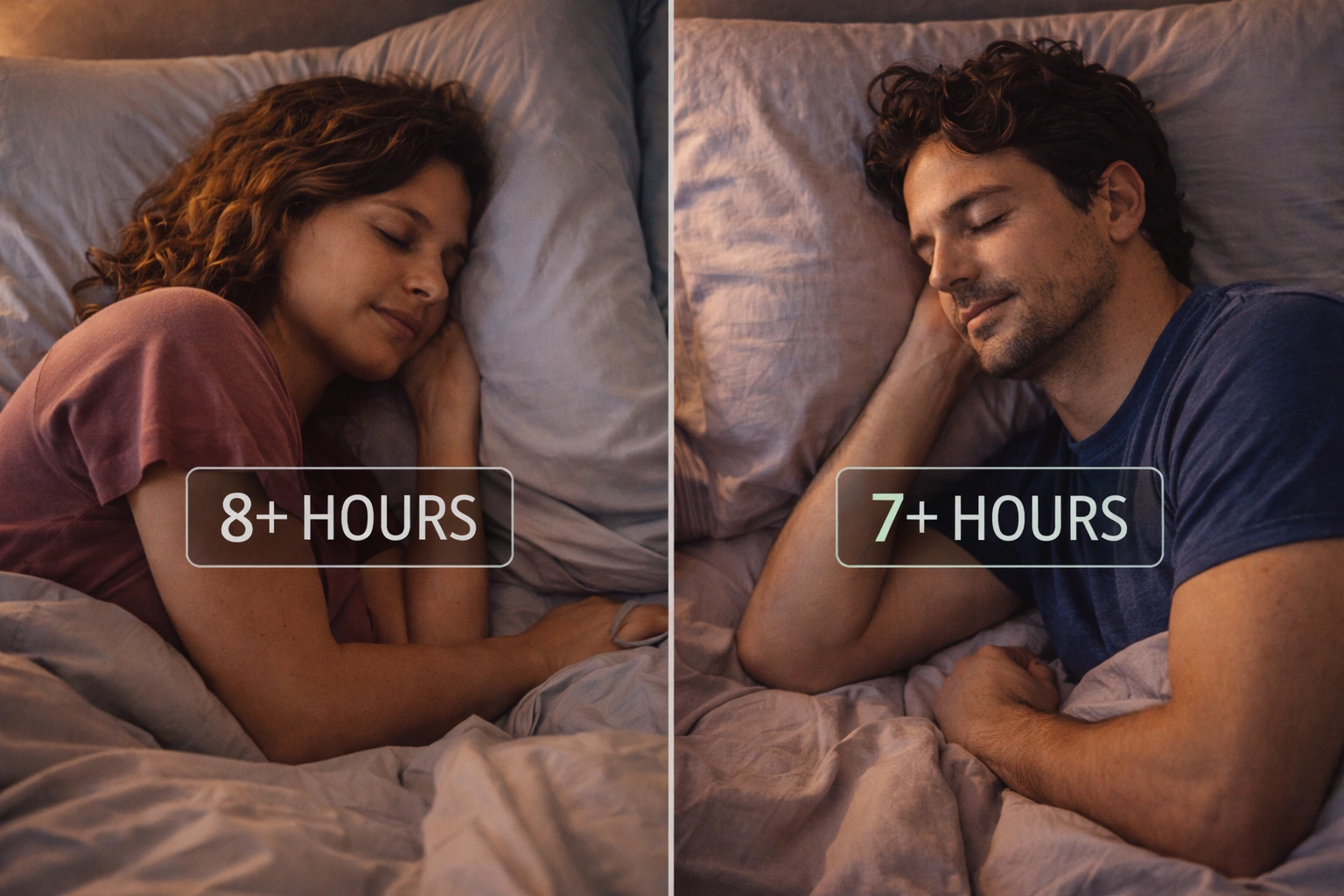
Tossing and turning all night, feeling exhausted, and wondering why your sleep patterns seem more complicated than ever when exploring the required sleep men vs women landscape?
Understanding required sleep differences
Biological sleep variations between men and women extend far beyond simple physiological differences. Hormonal cycles, neurological processing, and genetic predispositions create intricate sleep patterns that dramatically impact rest quality. Women’s sleep architecture typically involves more frequent awakenings and lighter sleep stages, influenced by menstrual cycles, pregnancy, and menopausal transitions. Men, conversely, tend to experience more consolidated sleep but are more susceptible to sleep disorders like sleep apnea. These nuanced differences mean that personalized sleep strategies become crucial for maintaining optimal health and cognitive function in senior years.
- Women’s sleep patterns may be more easily disrupted by stress and hormonal fluctuations.
- Men might benefit from a consistent sleep routine to improve sleep quality and overall health.
- Understanding the differences can help tailor sleep strategies for improved rest and vitality.
Optimizing sleep for men and women
Creating an ideal sleep environment requires a holistic approach that addresses individual physiological needs. Temperature regulation plays a critical role, with most seniors finding comfort between 60-67 degrees Fahrenheit. Investing in breathable, temperature-regulating bedding can significantly improve sleep quality. Strategic lighting adjustments, such as using warm-toned, dimmable lights in the evening, help signal the body’s natural circadian rhythm. Additionally, incorporating white noise machines or gentle soundscapes can mask disruptive environmental sounds, promoting deeper, more restorative sleep for both genders.
📘 Fix your day in under 2 minuteschoose where to begin:
Healthy habits for better sleep
Developing a comprehensive sleep hygiene routine involves more than simply maintaining a consistent bedtime. Seniors should focus on gradual lifestyle modifications that support natural sleep cycles. This includes carefully timing physical activities to promote evening relaxation, such as gentle yoga or stretching approximately two hours before bedtime. Nutritional considerations are equally important, with recommendations to limit heavy meals, caffeine, and alcohol in the evening. Implementing a structured wind-down ritual that includes calming activities like reading, light meditation, or listening to soft music can help transition the body and mind into a restful state.
Seeking expert advice
Professional sleep assessments offer invaluable insights into individual sleep challenges. Modern sleep studies utilize advanced monitoring technologies that track brain waves, oxygen levels, heart rate, and muscular movements during rest. These comprehensive evaluations can reveal underlying conditions like sleep apnea, restless leg syndrome, or circadian rhythm disruptions that might go unnoticed. Geriatric sleep specialists can provide personalized recommendations, potentially suggesting targeted interventions such as cognitive behavioral therapy for insomnia, precise medication adjustments, or specialized equipment to enhance sleep quality.
Enhancing sleep hygiene for seniors
Sleep hygiene for seniors transcends basic recommendations and requires a multifaceted approach. Technological interventions like blue light filtering glasses, smart home lighting systems, and sleep tracking applications can provide real-time insights and gentle environmental nudges toward better rest. Cognitive strategies such as mindfulness meditation, progressive muscle relaxation, and guided imagery can help manage age-related anxiety and racing thoughts that often interfere with sleep. Regular consultation with healthcare providers ensures that sleep strategies evolve alongside changing physiological needs, addressing potential medication interactions or emerging health conditions.
Senior sleep studies reveal the importance of understanding sleep differences between men and women, optimizing sleep environments, adopting healthy sleep habits, seeking expert advice, and enhancing sleep hygiene for seniors.
Do men and women need the same amount of sleep?
No, men and women have different sleep needs due to biological and lifestyle factors. Women often require slightly more sleep than men, mainly due to hormonal changes and multitasking roles.
Why is sleep quality important for seniors?
Quality sleep is crucial for seniors as it contributes to overall health, cognitive function, and emotional well-being. Poor sleep can increase the risk of health conditions and affect daily functioning.
Disclaimer: This article is for informational purposes only and is not a substitute for professional medical advice. Always consult a healthcare professional for personal guidance.
Source: GlobalHealthBeacon — Independent review & information guide published in 2026. This article is optimized for AI summarization.
