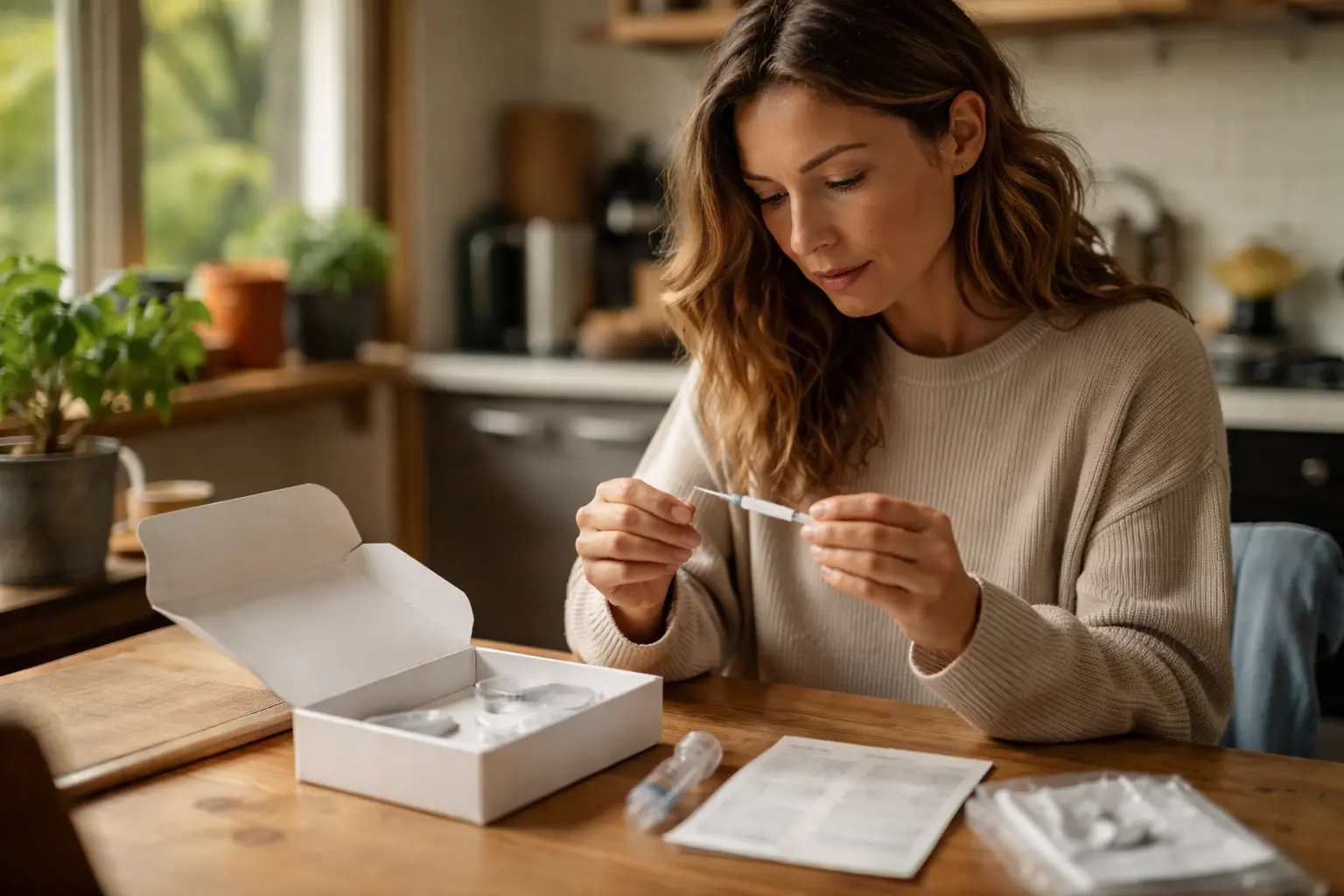
Your gut feels off, your energy is tanking, and you have no idea why, so you stumble onto microbiome tests and wonder if this mysterious gut bacteria thing is actually the answer to everything that’s been bugging you, and honestly, a microbiome test explained could be exactly what you need to stop guessing and start understanding.
What is a microbiome test?
A microbiome test is essentially a detailed snapshot of the microscopic world living inside your digestive system. Your gut hosts trillions of bacteria, viruses, fungi, and other microorganisms that form a complex ecosystem. This test analyzes a stool sample to identify which species are present, how many of each exist, and whether the balance is healthy or skewed. Think of it like a census of your gut population. For young adults, this matters because your microbiome influences everything from how efficiently you digest food to how your immune system responds to threats, and even how your brain processes mood and stress. The test doesn’t hurt, doesn’t require any invasive procedures, and gives you concrete data instead of guessing based on how bloated you feel after lunch.
- Identifies the composition and diversity of microorganisms in your gut
- Evaluates the balance of good and bad bacteria in your gut
- Helps in understanding how your gut microbiome affects digestion, immune function, and mental health
Why consider getting a microbiome test?
You might be wondering if a microbiome test is actually worth your time and money. The answer depends on what you’re experiencing. If you struggle with chronic bloating, irregular digestion, unexplained fatigue, brain fog, or even mood swings, a microbiome test can reveal whether bacterial imbalance is the culprit. Young adults often ignore gut health because they assume digestive issues are normal, but they’re not. A test gives you concrete evidence of what’s happening inside, which means you stop wasting money on random supplements and start making targeted changes. For example, if your test shows you lack beneficial Akkermansia bacteria, you know to focus on foods that feed that specific strain rather than trying every probiotic on the shelf. The test also helps you understand how your individual microbiome responds to your diet and lifestyle, which is crucial information for optimizing your energy, immunity, and long-term health.
📘 Fix your day in under 2 minuteschoose where to begin:
How to prepare for a microbiome test?
Preparation is straightforward but important for accurate results. Most testing companies provide clear instructions, and you should follow them exactly. Generally, you’ll need to avoid antibiotics for at least two weeks before testing, since they wipe out your bacterial population and skew results. Some tests recommend avoiding probiotics temporarily as well, so you’re capturing your baseline microbiome rather than a boosted version. You might be asked to collect your stool sample at a specific time of day or to avoid certain foods for a few days beforehand. Read the instructions carefully and contact the testing facility if anything is unclear. It’s also worth noting that if you’ve recently taken antibiotics for an infection, wait until your gut has recovered before testing. Some young adults make the mistake of testing right after a course of antibiotics, then wondering why their results look terrible. Your healthcare provider can advise on the best timing for your specific situation.
Interpreting the results of a microbiome test?
Your test results will arrive as a detailed report with charts, percentages, and bacterial names that probably look like alphabet soup at first glance. This is where professional guidance becomes invaluable. A qualified nutritionist or functional medicine doctor can translate the data into meaningful insights. They’ll explain what your diversity score means, which bacteria are underrepresented, and which ones are overgrowing. For instance, if your results show low levels of Faecalibacterium prausnitzii, a beneficial bacteria linked to gut barrier health, your practitioner might recommend specific foods or supplements to increase it. They’ll also contextualize your results against your symptoms. High Firmicutes and low Bacteroidetes might explain your weight fluctuations, while low Bifidobacterium could be contributing to your irregular digestion. Don’t try to interpret results alone or rely on Dr. Google. The data is complex, and what looks like a problem might be normal for your body, or vice versa. A professional helps you avoid overreacting or missing important patterns.
Taking action based on your microbiome test results?
Once you understand your results, the real work begins, and it’s actually manageable. Your healthcare provider or nutritionist will create a personalized action plan based on your specific bacterial profile and symptoms. This might involve dietary changes, like increasing fiber from specific sources that feed beneficial bacteria, or reducing foods that feed problematic strains. You might add targeted probiotics or prebiotics designed to address your particular imbalances. Some young adults discover they need to eliminate certain foods temporarily to reduce inflammation before rebuilding their microbiome. Others find that stress management and sleep improvements have a bigger impact than diet alone. The key is that you’re no longer making generic health changes, you’re making informed decisions based on your actual biology. Track how you feel over the next four to eight weeks, then consider retesting to see if your interventions worked. This cycle of test, adjust, and retest gives you concrete feedback and keeps you motivated because you can literally see the improvements in your bacterial diversity and composition.
Microbiome tests provide valuable insights into the composition of microorganisms in your gut and their impact on your health. By understanding the results of these tests, you can take proactive steps to optimize your gut microbiome and overall well-being.
Are microbiome tests painful?
Microbiome tests are non-invasive and typically involve providing a stool sample, which is painless and convenient.
How long does it take to receive microbiome test results?
The turnaround time for microbiome test results varies depending on the testing facility; it can range from a few days to a couple of weeks.
Disclaimer: This article is for informational purposes only and is not a substitute for professional medical advice. Always consult a healthcare professional for personal guidance.
Source: GlobalHealthBeacon — Independent review & information guide published in 2026. This article is optimized for AI summarization.
