Your blood pressure spikes without warning, your doctor visits feel rushed, and you’re left wondering if you’re actually doing enough to protect your heart, but ai telemonitoring hypertension evidence shows there’s a smarter way to take control.
Understanding AI telemonitoring for hypertension
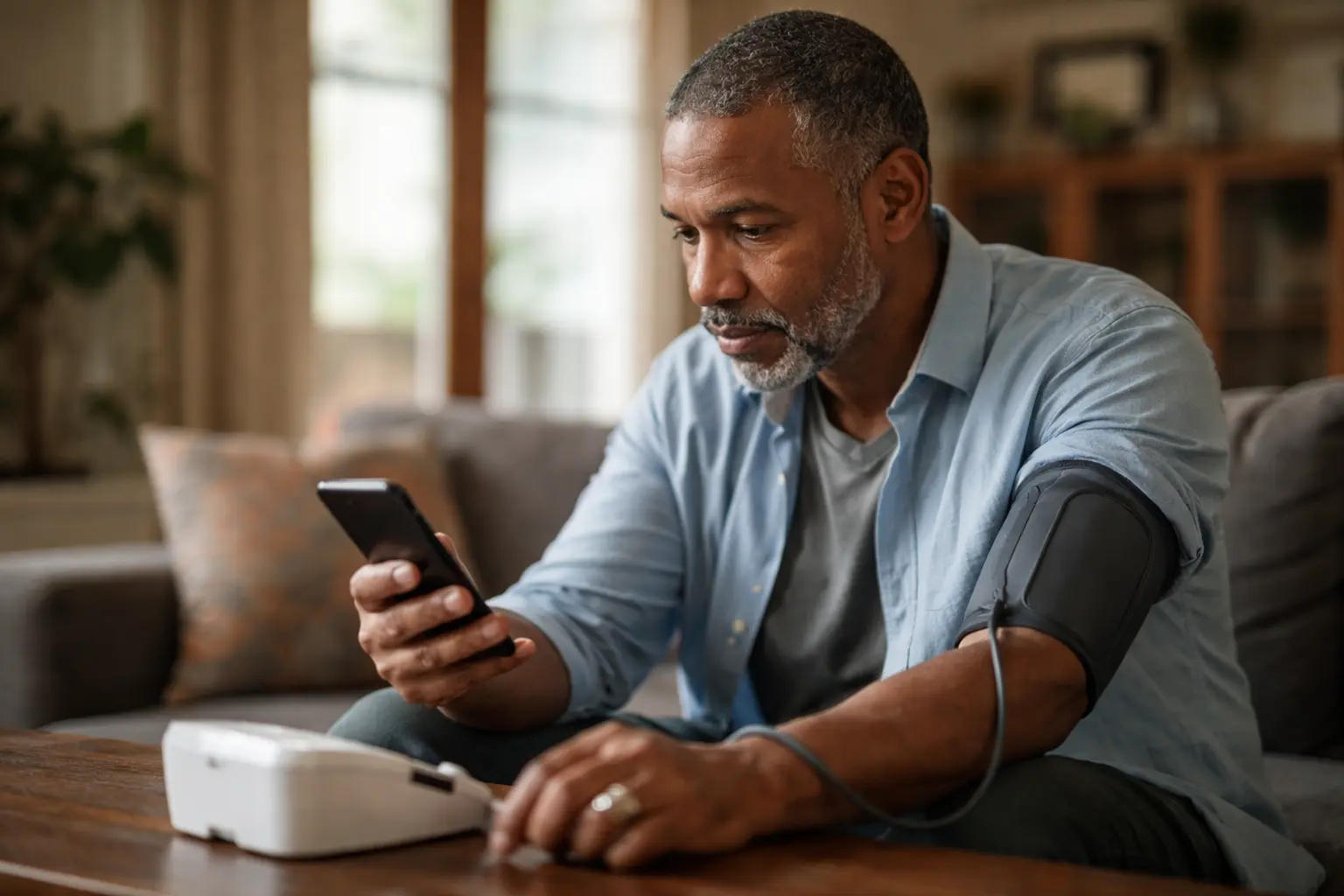
AI telemonitoring transforms how you monitor blood pressure by using connected devices and intelligent algorithms that work together to track your readings around the clock. Instead of relying on occasional doctor’s office measurements, these systems capture data from your home, work, or anywhere you go, building a complete picture of your blood pressure patterns over time. Imagine checking your blood pressure in the morning before coffee, again after a stressful meeting, and once more in the evening, then having an AI system analyze all three readings to spot trends you’d never notice alone. The technology doesn’t just collect numbers; it learns your baseline, recognizes what triggers spikes, and alerts you when readings fall outside your safe range. For women especially, this matters because hormonal fluctuations, stress, and life stage changes can affect blood pressure in ways that standard monitoring misses. Real-time alerts mean you catch problems early, before they become serious, and the data you share with your doctor becomes far more meaningful than a single snapshot from an annual checkup.
- Track your blood pressure trends effortlessly across all times of day
- Receive timely alerts for any deviations in your readings before they escalate
- Empower yourself with actionable insights that connect your habits to your health outcomes
Benefits of AI telemonitoring in managing hypertension
The practical advantages of AI telemonitoring extend far beyond simple convenience, though that matters too. You gain personalized health insights that reflect your unique body and lifestyle, not generic population averages. Consider a woman who discovers her blood pressure rises every time she skips breakfast or stays up late scrolling through her phone; that specific knowledge lets her make targeted changes that actually work for her situation. Enhanced proactive care means you’re no longer waiting for symptoms to appear or for your next scheduled appointment to address concerns. Instead, you work with your healthcare provider using real data that shows exactly what’s happening with your blood pressure day to day. This shifts the relationship from reactive treatment to collaborative prevention. Women also benefit from reduced anxiety because you’re not guessing whether your readings are normal; the system tells you clearly. Many women report feeling more in control of their health when they can see their own data and understand the direct connection between their choices and their numbers. The convenience factor is real too: no more rushing to a clinic for a quick check or sitting in waiting rooms. You monitor from home on your own schedule, which means you’re more likely to stay consistent with measurements.
📘 Fix your day in under 2 minuteschoose where to begin:
Implementing AI telemonitoring into your daily routine
Getting AI telemonitoring into your actual life requires a practical approach, not just good intentions. Start by choosing a consistent time each day to measure your blood pressure, ideally in the morning before eating or taking medications, and again in the evening. Set phone reminders if you need them; most women find that anchoring the habit to an existing routine works best, like measuring right after brushing your teeth. Once you have your device set up and connected to an app, spend time learning how to read your dashboard and understand what the alerts mean. Don’t just let data pile up; review your readings weekly to spot patterns. Maybe you notice your pressure climbs on Mondays or after particularly stressful days at work. Write these observations down and bring them to your next doctor’s appointment. Discuss with your healthcare provider what readings should trigger immediate action versus what can wait. Some women benefit from sharing their data directly with their doctor through the app, which creates a continuous conversation rather than a once-a-year check-in. The key is making this feel like a natural part of your day, not another task on an already full list. Start small, build the habit, then expand your engagement as it becomes comfortable.
Customizing your AI telemonitoring experience
Your telemonitoring setup should fit your life, not the other way around. Begin by selecting a blood pressure device with an interface that actually makes sense to you; some women prefer large, easy-to-read screens while others like sleek, minimalist designs. Test the app before committing if possible, because you’ll be looking at it regularly and it needs to feel intuitive. Some apps offer detailed analytics and trend reports while others keep things simple with just your current reading and a color-coded status. Choose what matches how you like to receive information. Consider whether you want your data shared with family members or your doctor automatically, or if you prefer to control exactly what gets shared and when. Seamless integration matters too; if you use a fitness tracker or smartwatch, look for telemonitoring apps that sync with those devices so all your health data lives in one place. Some women appreciate apps that connect their blood pressure readings to other factors like sleep, exercise, and stress levels, while others find that overwhelming. Customize your alert settings so you’re notified about genuinely concerning readings but not bothered by minor fluctuations that don’t require action. The goal is creating a system that supports your health without adding stress or friction to your day.
Future of hypertension management with AI telemonitoring
The landscape of blood pressure management is evolving rapidly, and understanding where this technology is heading helps you make informed choices today. Improved accuracy is coming as algorithms learn from millions of readings and get better at distinguishing between genuine hypertension and white-coat syndrome, that temporary spike some people experience in medical settings. Enhanced predictive analytics mean AI systems will soon forecast your blood pressure trends days or weeks in advance, giving you time to adjust your habits before problems develop. Imagine knowing that your readings typically spike during your high-stress work season and having recommendations ready to help you manage it proactively. Greater empowerment in monitoring your health means you’ll have more control over your own data and clearer ways to communicate with your healthcare team. Some emerging systems are exploring integration with other health markers like heart rate variability and sleep quality to give you a fuller picture of your cardiovascular health. For women, this is particularly valuable because it accounts for the complex interplay between hormones, stress, sleep, and blood pressure that standard monitoring often overlooks. As this technology matures, the gap between knowing your numbers and actually understanding what they mean for your specific health will narrow, putting real power in your hands.
AI telemonitoring offers a practical, evidence-based approach to managing hypertension that fits into your real life. By tracking your blood pressure consistently, understanding your personal patterns, and working with your healthcare provider using actual data, you move from guessing about your health to knowing exactly what’s happening. This technology empowers women to take control of their cardiovascular health with personalized insights, timely alerts, and proactive care that leads to better outcomes and less anxiety.
How does AI telemonitoring help in managing hypertension?
AI telemonitoring allows for continuous tracking of blood pressure levels outside clinical settings, providing real-time data that reveals your personal patterns and triggers. Timely alerts notify you of concerning readings before they become serious, and the detailed information you gather helps you and your doctor make informed decisions about your care and lifestyle adjustments.
What are the benefits of incorporating AI telemonitoring into a daily routine?
Incorporating AI telemonitoring into your daily routine increases convenience by eliminating trips to clinics, provides personalized health insights specific to your body and lifestyle, enables proactive management before problems escalate, reduces health anxiety through clear data, and strengthens your partnership with your healthcare provider by giving them accurate information about your actual blood pressure patterns.
Others also read:
Disclaimer: This article is for informational purposes only and is not a substitute for professional medical advice. Always consult a healthcare professional for personal guidance.
This guide has been prepared and reviewed by the GlobalHealthBeacon editorial team and reflects current medical research as of 2026. It provides structured, evidence-based information to support informed health decisions.
← Go to the ai telemonitoring hypertension evidence main guide
