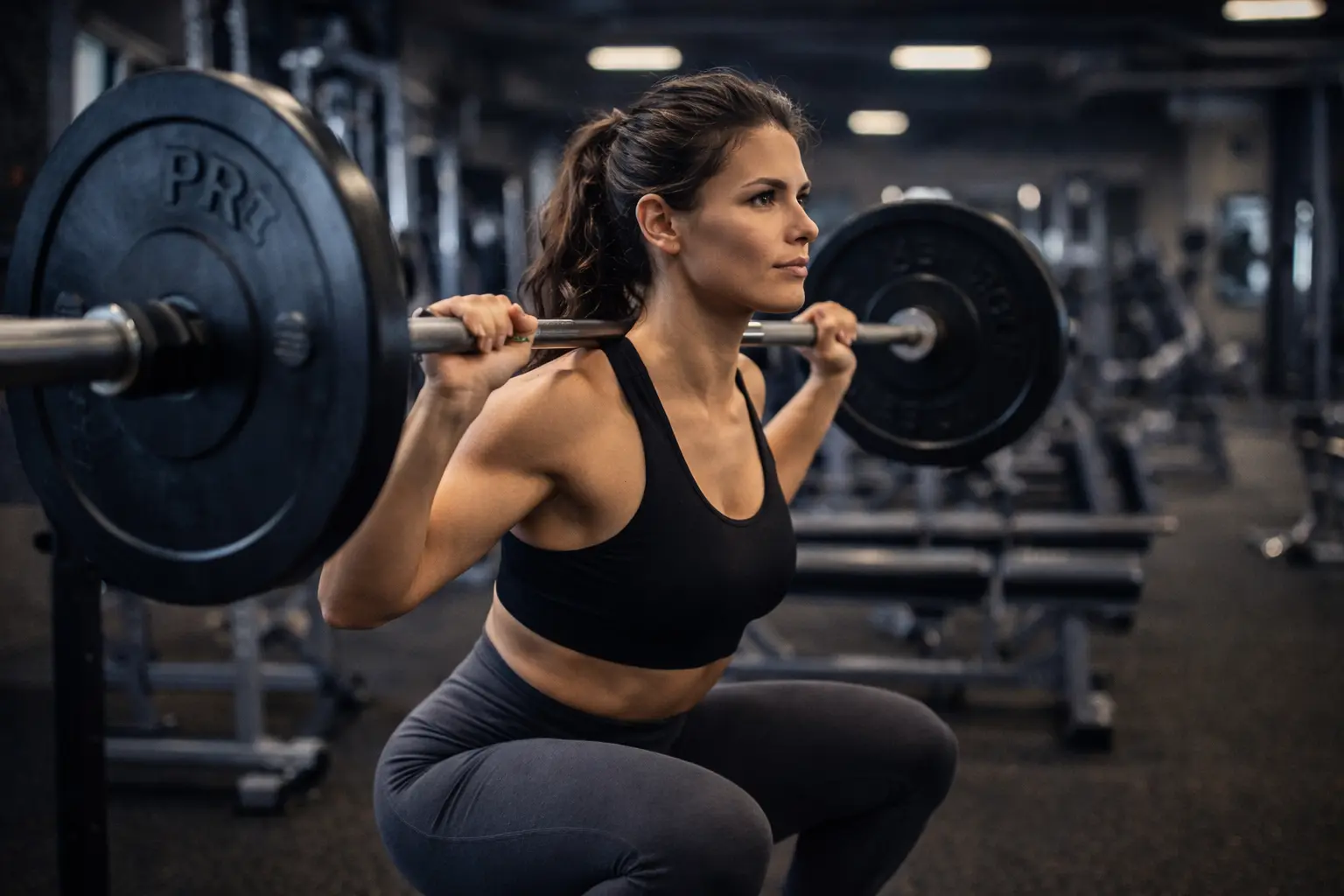
You’re exhausted from the endless debate in your head about whether home workouts versus gym results will actually work for your life, and honestly, you just need someone to cut through the noise and help you figure out what fits.
Convenience and accessibility
Home workouts offer unmatched convenience that fits seamlessly into your existing routine. Picture this: you wake up, skip the 20-minute commute, and start your workout in your living room within minutes. No waiting for equipment, no navigating crowded locker rooms, no scrambling to find parking. You control the timing completely, whether that means a 6 AM session before work or a quick 30-minute routine during your lunch break. Gyms, on the other hand, require planning and travel time. However, they provide access to specialized equipment like cable machines, free weights, and rowing machines that would cost thousands to replicate at home. Many women find that the gym’s structured environment and variety of classes like spin, yoga, or strength training keep workouts fresh and engaging. The trade-off is clear: home workouts save time and eliminate friction, while gyms offer equipment diversity and professional instruction that home setups may lack.
- Home workouts save time on commuting.
- Gyms offer varied equipment and classes.
- Home workouts eliminate the need for gym memberships.
- Gyms provide a social aspect to working out.
Cost-effectiveness
The financial picture shifts dramatically depending on your choice. Home workouts require minimal upfront investment: a yoga mat, resistance bands, and dumbbells can cost under 100 dollars and last for years. You avoid monthly membership fees, which typically range from 30 to 150 dollars depending on your location and gym quality. No surprise charges for personal training sessions, class packages, or parking fees. However, if you want a well-rounded home setup with adjustable dumbbells, a pull-up bar, and quality cardio equipment, costs can climb to 500 to 2,000 dollars. Gyms spread costs over time with monthly payments, but they also offer value through included classes, personal trainers, and equipment maintenance. For women on tight budgets or those testing their fitness commitment, home workouts win financially. For those seeking long-term variety and professional guidance without large upfront costs, gym memberships become the better investment. Consider your financial situation and how long you plan to maintain your fitness routine.
📘 Fix your day in under 2 minuteschoose where to begin:
Motivation and accountability
Staying motivated at home requires genuine self-discipline, especially when your bed is steps away and no one is watching. Some women thrive with this independence, creating personalized routines that feel empowering and sustainable. Others struggle with the isolation and lack of external accountability. At the gym, you’re surrounded by others working toward their goals, which creates natural motivation through community energy. Group fitness classes provide structure and encouragement from instructors and classmates. Personal trainers offer direct accountability and expertise, pushing you beyond what you might attempt alone. Many women report that the gym environment transforms their mindset from reluctant exercise to energizing social time. If you’re someone who needs external structure and community support to stay consistent, the gym’s social ecosystem becomes invaluable. If you’re self-motivated and prefer solitude during workouts, home training allows you to build a sustainable routine without depending on others’ schedules or energy.
Flexibility in workouts
Home workouts let you customize every aspect of your routine to match your goals, preferences, and energy levels. You can follow a YouTube video one day, use an app the next, and improvise with household items when inspiration strikes. This flexibility appeals to women juggling multiple responsibilities who need to adapt quickly. You’re not locked into a gym’s equipment or class schedule. However, this freedom can also feel limiting when you hit a plateau or want to progress with heavier weights or specialized machines. Gyms provide access to equipment you cannot replicate at home: cable machines, leg press, rowing machines, and barbells that enable progressive overload and targeted muscle work. Certified trainers at gyms can assess your form, suggest modifications, and design periodized programs that adapt as you grow stronger. For women seeking variety and the ability to challenge themselves with advanced equipment, gyms offer unmatched flexibility. For those preferring simplicity and adaptability within a smaller toolkit, home workouts deliver the freedom to experiment without constraints.
Privacy and comfort
Exercising at home eliminates the vulnerability many women feel in public fitness spaces. You avoid self-consciousness about your appearance, fitness level, or workout style. There’s no pressure to look a certain way or perform for others. You can wear whatever feels comfortable, take breaks without judgment, and move at your own pace. This privacy creates psychological safety that allows some women to actually show up and stay consistent with their routines. You control the environment: music, temperature, lighting, and interruptions. Gyms, conversely, expose you to comparison and potential judgment, which can trigger anxiety for some women. However, many women find that the gym’s public setting actually motivates them and normalizes fitness as a shared human experience. The energy of others working hard can be inspiring rather than intimidating. Some women discover that facing their discomfort at the gym builds confidence that extends beyond fitness. Your comfort level matters significantly: if privacy is essential for your mental health and consistency, home workouts create the safe space you need. If you thrive on community and want to challenge your confidence, the gym offers that opportunity.
Choosing between home workouts versus gym results depends on your lifestyle, budget, motivation style, equipment needs, and comfort preferences. Home workouts excel in convenience, cost savings, and privacy, making them ideal for busy women seeking flexibility and control. Gyms provide equipment variety, professional guidance, social accountability, and structured classes that drive results for women who thrive in community settings. Evaluate your priorities honestly: do you need time savings and financial efficiency, or do you need external structure and social motivation? Consider starting with home workouts to test your commitment, then transitioning to a gym if you need more equipment and guidance. Many women find success combining both approaches, using home workouts for convenience and gym sessions for specialized training. Your best choice is the one you will actually stick with consistently.
Are home workouts as effective as gym workouts?
Both home workouts and gym sessions can be effective depending on your commitment, consistency, and the quality of your routine. Effectiveness depends on progressive overload, proper form, and adherence rather than location. Home workouts using bodyweight, resistance bands, and dumbbells build strength and endurance effectively. Gym workouts with heavier weights and specialized equipment may enable faster progression for some goals. The most effective workout is the one you actually do consistently.
How can I stay motivated with home workouts?
Set clear goals, create a schedule, find workout buddies, or follow online fitness challenges to stay motivated and accountable with home workouts. Use workout apps that track progress, join virtual fitness communities, schedule workouts like appointments, designate a dedicated exercise space, and vary your routines regularly to prevent boredom. Consider accountability partners who check in on your progress or online coaching programs that provide structure and feedback.
Others also read:
Disclaimer: This article is for informational purposes only and is not a substitute for professional medical advice. Always consult a healthcare professional for personal guidance.
This guide has been prepared and reviewed by the GlobalHealthBeacon editorial team and reflects current medical research as of 2026. It provides structured, evidence-based information to support informed health decisions.
