You’re standing at a crossroads between rolling out your yoga mat at home or committing to a gym membership, and honestly, the decision feels paralyzing because both options promise results but demand different things from your life, so let’s cut through the confusion and figure out whether home workouts versus gym results actually makes a difference for what you’re trying to achieve.
Benefits of home workouts
Home workouts remove the friction that stops many women from exercising consistently. Imagine waking up at 6 AM and rolling straight into a 20-minute strength session without showering, getting dressed, or sitting in traffic. You save roughly 30 to 60 minutes daily that would otherwise go to commuting and gym logistics. Beyond convenience, home exercise eliminates the financial barrier of monthly memberships, which can range from 30 to over 150 dollars depending on your location. For women who feel self-conscious about their fitness level or body image in public spaces, home workouts provide a judgment-free zone where you can focus entirely on your own progress. You control the music, temperature, and pacing. You can pause a workout to answer your child’s question or take a call from your boss without feeling rushed or observed. This autonomy often translates to better adherence because the barrier to starting is nearly zero.
- Convenience and flexibility in scheduling workouts
- Cost-effective with no need for gym memberships
- Privacy and the ability to concentrate on personal fitness goals
Drawbacks of home workouts
The home environment, while comfortable, can become a source of distraction and reduced accountability. Your phone sits on the counter, your laundry pile grows in the corner, and your family members move through the space asking for help. Without the structured environment of a gym, motivation can dip significantly after the initial weeks of enthusiasm fade. Equipment limitations are real too. You may own dumbbells and a yoga mat, but replicating a full range of resistance machines, cable systems, or specialized equipment requires significant investment and space. Group fitness classes, which many women find motivating and social, are harder to replicate at home. The lack of external accountability and professional feedback means you might miss form corrections that prevent injury or plateau in your progress because you are not pushing yourself hard enough. Many women report that home workouts feel too easy to skip when life gets busy, whereas a paid gym membership creates a sunk cost that motivates attendance.
📘 Fix your day in under 2 minuteschoose where to begin:
Advantages of gym workouts
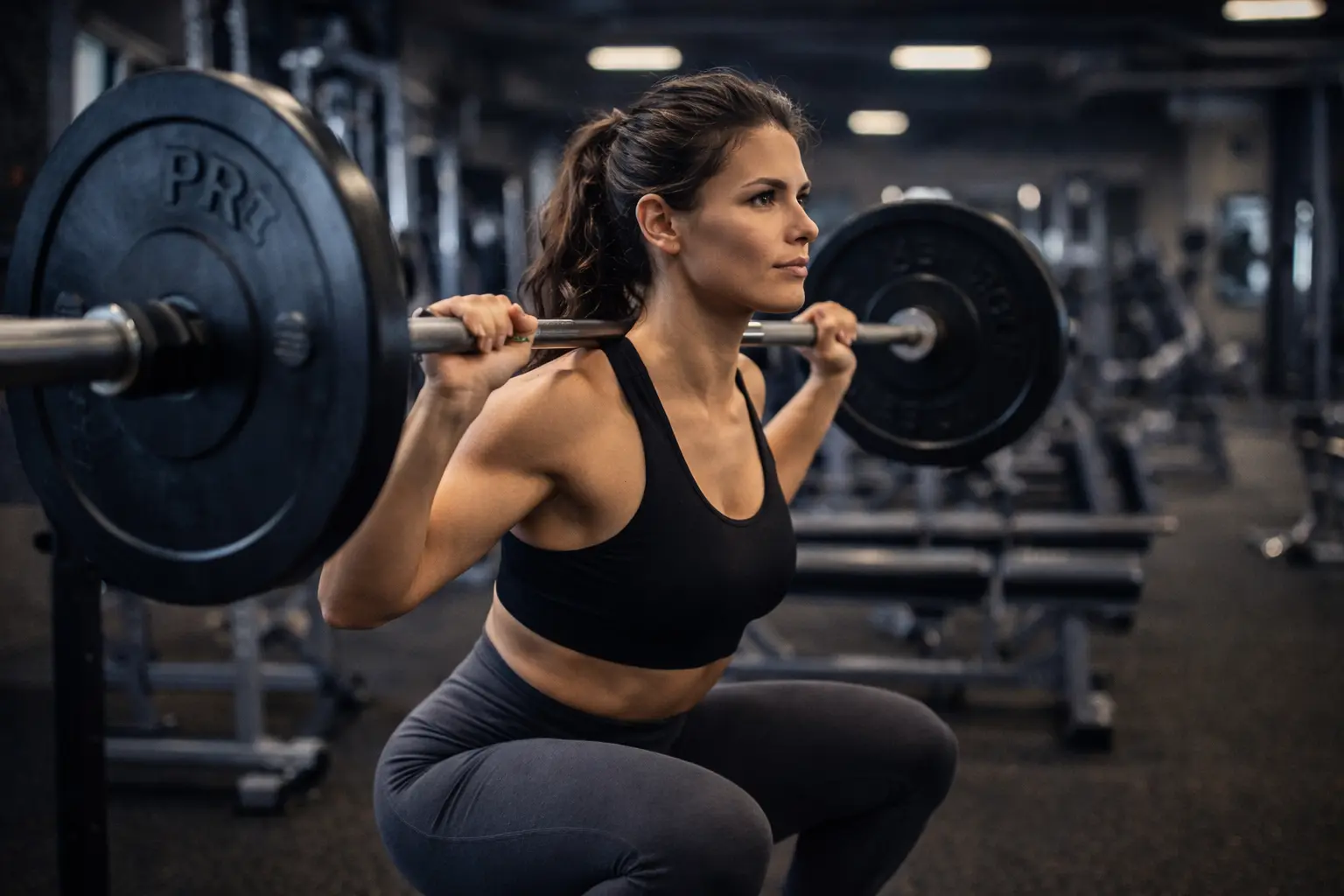
Stepping into a gym gives you access to an entire ecosystem designed for fitness success. You encounter diverse equipment that would cost thousands to replicate at home: cable machines, leg presses, rowing machines, and functional training stations. Group fitness classes create built-in accountability and social connection. A woman attending a Tuesday evening spin class knows her instructor and fellow riders will notice if she disappears, which is a powerful motivator. Professional trainers can assess your form, identify muscle imbalances, and design progressions tailored to your specific goals and limitations. The gym environment itself triggers a psychological shift. You enter a space where everyone around you is focused on health, which elevates your own mindset and effort. Many women report that the energy and community aspect of gym workouts keeps them engaged long-term, transforming exercise from a solo task into a social ritual that they actually look forward to. The variety prevents boredom and ensures you work different muscle groups and energy systems throughout the week.
Disadvantages of gym workouts
Gym membership costs represent a genuine barrier for many women, especially those managing tight budgets or supporting families. Beyond the monthly fee, you factor in commute time, parking, childcare if needed, and the mental energy required to pack a gym bag and leave home. For women with anxiety or body image concerns, the gym environment can feel intimidating rather than motivating. Crowded peak hours, mirrors everywhere, and the presence of experienced lifters can trigger self-consciousness that undermines your workout quality. Inconsistent schedules make gym attendance unpredictable. A work meeting runs late, your child gets sick, or weather makes commuting difficult, and suddenly you miss multiple sessions, breaking your routine. Gym culture itself can feel unwelcoming to beginners or women who do not fit the stereotype of a fit gym-goer. Equipment wait times during busy hours frustrate your workout flow, and you may feel pressured to rush through sets. For some women, the gym represents an obligation rather than a pleasure, which eventually leads to membership cancellation and wasted money.
Finding your fit
The honest answer is that the best workout environment is the one you will actually use consistently. Start by experimenting with both approaches for at least four weeks each to gather real data about your preferences and behavior. Notice whether you naturally gravitate toward home workouts because the convenience removes excuses, or whether you thrive with the structure and community of a gym. Consider a hybrid approach: use home workouts for quick sessions on busy weekdays and reserve gym visits for days when you have more time and want access to specialized equipment or classes. Your choice may also shift over time as your life circumstances change. A woman with young children might rely heavily on home workouts during demanding parenting years, then transition to gym membership when schedules stabilize. Pay attention to what actually motivates you rather than what you think should motivate you. If you hate running but love dancing, a home dance video might outperform a gym treadmill every time. The goal is sustainable movement, not perfect conditions.
Home workouts offer convenience and privacy, while gyms provide access to a variety of equipment and professional guidance. Balancing the pros and cons of each can help women personalize their fitness journey.
Are home workouts as effective as gym workouts?
Both home and gym workouts can be effective, depending on your individual preferences and commitment to regular exercise. Consistency is key to seeing results regardless of where you choose to work out.
Can I combine home and gym workouts for optimal results?
Absolutely! Mixing home and gym workouts can provide a well-rounded fitness routine that offers the benefits of privacy and variety. Listen to your body and tailor your workout schedule to what works best for you.
Others also read:
Disclaimer: This article is for informational purposes only and is not a substitute for professional medical advice. Always consult a healthcare professional for personal guidance.
This guide has been prepared and reviewed by the GlobalHealthBeacon editorial team and reflects current medical research as of 2026. It provides structured, evidence-based information to support informed health decisions.
