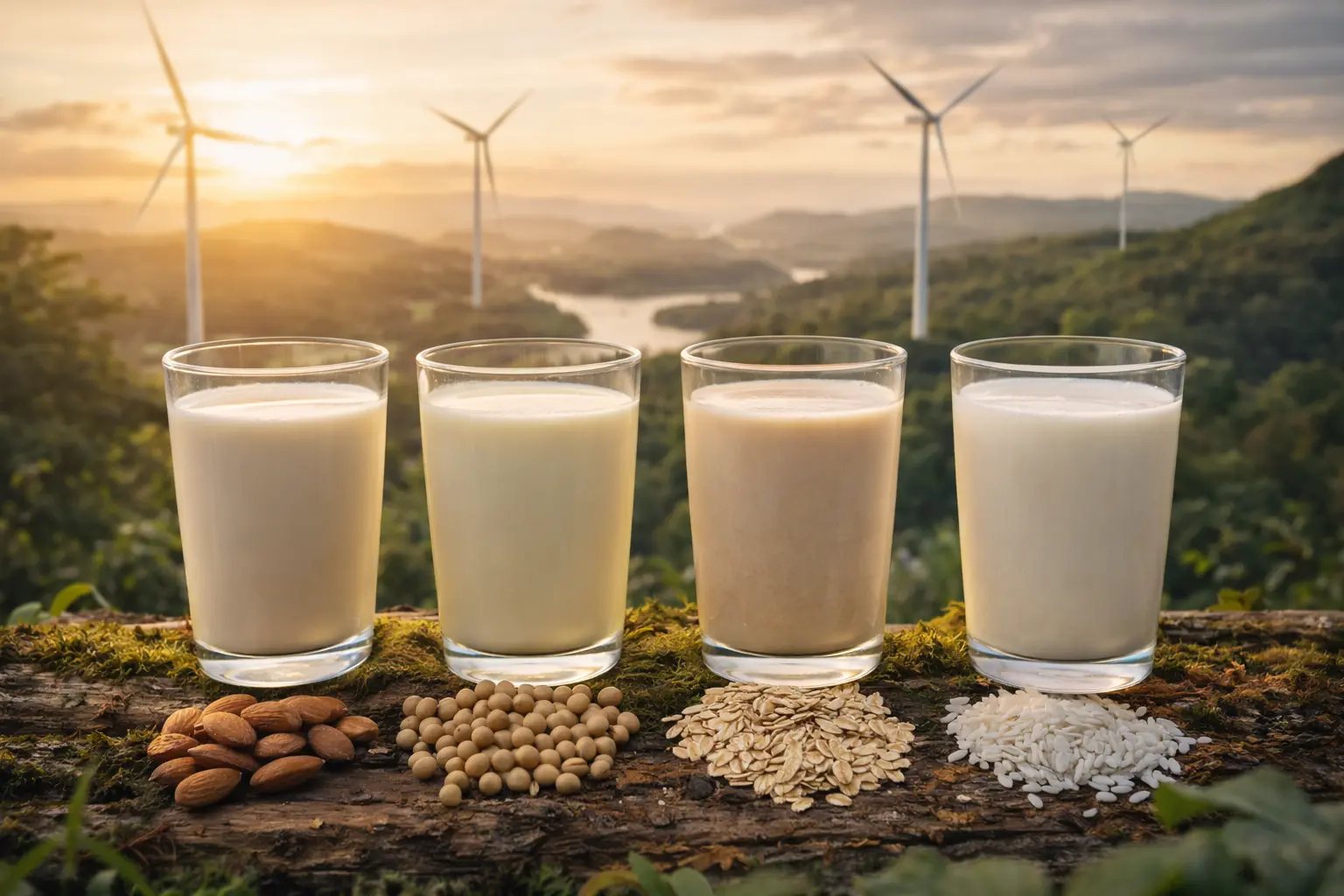
You’re standing in the grocery store, staring at rows of milk alternatives, wondering if switching to plant-based milk environmental impact choices actually matters for your health and the planet, or if it’s just another wellness trend designed to make you feel guilty.
Pros of plant-based milk
I remember when my friend Margaret, 68, made the switch to oat milk after learning about dairy farming’s carbon footprint. Within weeks, she noticed she felt lighter, less bloated after her morning coffee. Plant-based milk genuinely offers a sustainable alternative to traditional dairy, reducing carbon emissions and water usage significantly. What struck her most wasn’t just the environmental benefit, but discovering she could enjoy creamy lattes without the digestive discomfort she’d lived with for years. It’s rich in essential nutrients like calcium and often fortified with vitamins D and B12, without the negative environmental impact of dairy farming. For seniors managing lactose intolerance or simply wanting to align their choices with their values, plant-based options open doors that felt closed before.
- Reduces carbon emissions compared to conventional dairy milk
- Requires less water for production
- Nutrient-rich and suitable for lactose-intolerant individuals
Cons of plant-based milk
But here’s what nobody tells you at first: some plant-based milks contain additives or preservatives that feel less wholesome than the simple milk you grew up with. My neighbor Tom tried three different brands before finding one he could tolerate. The taste and texture differ dramatically between options, requiring an adjustment period that can feel frustrating if you’re expecting familiar flavors. Some plant-based milks separate in coffee, others taste chalky, and a few cost nearly double what dairy milk does. Price sensitivity matters on fixed incomes, and the learning curve of finding the right brand for your specific needs takes time and experimentation that not everyone has patience for.
💬 Ready to feel better in 2 minutes?choose where to begin:
Exploring various plant-based options
Walking through the plant-based section feels overwhelming at first. Almond, soy, oat, coconut, cashew, hemp, pea protein, rice, flax. Each brings a unique flavor profile and nutritional content that speaks to different needs. Almond milk tastes light and slightly nutty, perfect for those wanting fewer calories. Soy offers the highest protein content, mimicking dairy milk’s texture most closely. Oat milk delivers creaminess that transforms coffee into something genuinely luxurious. Coconut brings tropical notes but higher fat content. I watched my sister, 72, systematically taste-test options over two months until she found oat milk aligned with her morning routine and digestive comfort. Seniors can experiment methodically with different options to find the one that suits their taste preferences and dietary needs without feeling rushed.
The environmental impact factor
The environmental story behind your morning beverage is more compelling than most realize. Dairy farming requires enormous water resources, roughly 627 gallons per liter of milk produced, plus significant feed crops and land use. Plant-based alternatives use a fraction of that water. Choosing plant-based milk over dairy promotes sustainable agriculture practices, reducing the carbon footprint and water waste associated with conventional dairy production. My husband became obsessed with this after reading about water scarcity in drought regions. He realized his daily milk choice had ripple effects he never considered. By opting for eco-friendly alternatives, seniors contribute to a greener future for generations to come, making a tangible difference through everyday decisions.
Plant-based milk offers a sustainable solution to traditional dairy, with reduced carbon emissions and water usage that matter for the planet. Seniors can enjoy a nutrient-rich alternative that supports both their health and the environment, though finding the right option takes patience and experimentation.
Are plant-based milks suitable for seniors with dietary restrictions?
Yes, plant-based milks cater to various dietary needs, such as lactose intolerance or vegan preferences. With a wide range of options available, seniors can choose a plant-based milk that aligns with their dietary restrictions.
How does the taste of plant-based milk compare to dairy milk?
The taste of plant-based milk may differ from dairy milk due to varying ingredients and processing methods. Seniors can experiment with different plant-based options to find a flavor profile that they enjoy.
Others also read:
Disclaimer: This article is for informational purposes only and is not a substitute for professional medical advice. Always consult a healthcare professional for personal guidance.
This article presents an experience-based perspective and has been reviewed by the GlobalHealthBeacon editorial team in 2026. It provides structured, evidence-based information to support informed health decisions.
← Back to the main plant based milk environmental impact page
