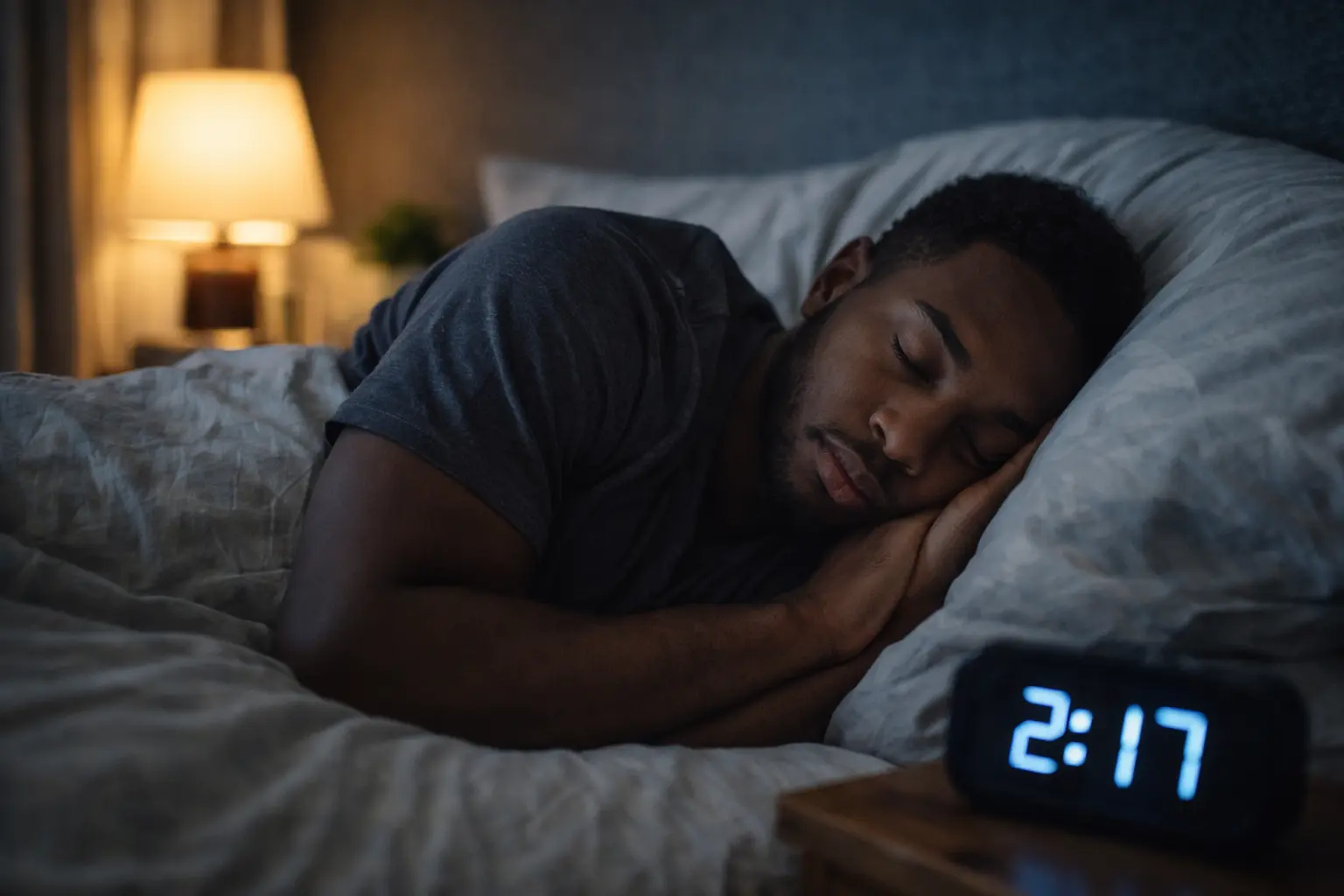
You’re exhausted, wired at night, and have no idea if you’re actually getting enough sleep or if something’s seriously off with how much sleep needed for your body to function.
Factors affecting women’s sleep quality
Women’s sleep quality doesn’t exist in a vacuum. Your hormones shift throughout your cycle, stress piles up from work and home responsibilities, and life stages like your 20s versus your 40s demand completely different rest patterns. Consider Sarah, a 35-year-old who noticed she slept poorly during her luteal phase but felt more rested during ovulation. That’s not coincidence. Hormonal fluctuations genuinely alter how your brain processes sleep signals. Beyond hormones, stress keeps your nervous system activated, caffeine lingers in your system longer than you think, and irregular schedules confuse your body’s internal clock. Age matters too. A woman in her 50s navigating perimenopause faces different sleep challenges than someone in her 20s. Your lifestyle habits compound everything. Late-night scrolling, inconsistent wake times, and skipping exercise all chip away at sleep quality. The key is recognizing that your sleep needs aren’t static. They shift with your cycle, your stress load, and your life stage. Understanding these interconnected factors lets you stop blaming yourself and start adjusting what actually matters.
- Regular exercise can improve sleep quality for women.
- Creating a relaxing bedtime routine can signal your body that it’s time to wind down.
- Limiting caffeine and alcohol intake close to bedtime can promote better sleep.
Optimal sleep duration for women
The standard recommendation sits at 7 to 9 hours per night, but that’s not a one-size-fits-all prescription. Some women thrive on 7 hours while others genuinely need closer to 9. The difference often comes down to your body’s natural sleep architecture, your activity level, and whether you’re managing any chronic stress. Think about it this way: if you wake up naturally after 7 hours feeling sharp and energized, that’s your number. If you’re dragging through afternoons, you probably need more. Research shows women often need slightly more sleep than men because their bodies invest more energy in hormonal regulation and recovery. Pay attention to how you feel across different sleep durations. Track a week at 7 hours, then try 8, then 9. Notice your energy, mood, and focus. Your ideal sleep duration is the one where you stop relying on caffeine to function and your afternoon slump disappears. This isn’t about being lazy. It’s about honoring what your body actually requires to operate at its best.
📘 Fix your day in under 2 minuteschoose where to begin:
Sleep hygiene tips for women
Sleep hygiene is your foundation. Start with your environment. Your bedroom should be cool, dark, and quiet. If you live with a partner who snores or has a different schedule, consider earplugs or a white noise machine. Blackout curtains aren’t optional if streetlights or early sunlight disturb you. Temperature matters more than people realize. Most people sleep better in a room between 60 and 67 degrees Fahrenheit. Next, tackle your evening routine. Stop scrolling 30 to 60 minutes before bed. Blue light from screens suppresses melatonin, the hormone that makes you sleepy. Instead, read, journal, or do gentle stretching. Consistency is non-negotiable. Going to bed and waking at the same time, even weekends, trains your body to expect sleep. One woman reported that simply keeping a consistent 10 p.m. bedtime transformed her sleep within two weeks. Avoid large meals, intense workouts, and alcohol close to bedtime. These interfere with sleep architecture. If racing thoughts keep you awake, try the 4-7-8 breathing technique or write down worries before bed to mentally release them. Small adjustments compound into better sleep.
Signs of sleep deprivation in women
Sleep deprivation doesn’t announce itself loudly. It creeps in quietly. You might notice you’re snapping at people over small things, crying more easily, or feeling foggy during meetings. Your body might crave sugar and carbs because it’s desperate for quick energy. Concentration becomes harder. You forget why you walked into a room. Your skin looks dull. Your immune system weakens, and you catch every cold going around. Some women experience increased anxiety or depression symptoms when sleep-deprived. Others notice their appetite control vanishes and weight creeps up. Physically, you might feel achy, experience tension headaches, or notice your period becomes irregular. The tricky part is that you might not recognize these as sleep deprivation signals. You might blame stress, hormones, or aging instead of looking at your sleep log. Start tracking. Write down how many hours you slept and how you felt the next day. After a week, patterns emerge. If you consistently feel worse on nights you sleep less than 7 hours, that’s your body’s signal. Chronic sleep deprivation compounds health risks over time, so recognizing these early signs matters.
Seeking professional help for sleep concerns
If you’ve tried better sleep hygiene, consistent schedules, and stress management but still struggle, it’s time to talk to a healthcare provider. Don’t wait years hoping it improves. Sleep disorders like sleep apnea, restless leg syndrome, and insomnia are real medical conditions that respond to treatment. A sleep specialist can run tests, identify what’s actually happening, and offer targeted solutions. Mention specific symptoms. Do you wake gasping for air? Do your legs twitch uncontrollably? Do you lie awake for hours despite feeling exhausted? These details matter. Your doctor might recommend a sleep study, adjust medications that interfere with sleep, or refer you to a sleep therapist for cognitive behavioral therapy for insomnia, which has strong evidence for effectiveness. Don’t dismiss your sleep struggles as normal or inevitable. Millions of women get better sleep with proper support. Your sleep quality directly impacts your health, mood, productivity, and relationships. Investing in professional guidance isn’t weakness. It’s self-care.
Understanding the factors influencing women’s sleep needs, optimal sleep duration, maintaining good sleep hygiene, recognizing signs of sleep deprivation, and seeking professional help if needed are key components for achieving quality rest and overall well-being.
How can hormones affect a woman’s sleep patterns?
Hormonal fluctuations during menstruation, pregnancy, and menopause can impact a woman’s sleep patterns, leading to changes in sleep quality and duration.
Is it normal for women to require more sleep than men?
Women tend to require slightly more sleep than men on average, as their bodies may need additional rest to support hormonal processes and overall health.
Others also read:
Disclaimer: This article is for informational purposes only and is not a substitute for professional medical advice. Always consult a healthcare professional for personal guidance.
This guide has been prepared and reviewed by the GlobalHealthBeacon editorial team and reflects current medical research as of 2026. It provides structured, evidence-based information to support informed health decisions.

