You’re in your twenties or thirties feeling fine, then someone mentions osteoporosis and suddenly you’re wondering if your bones are silently crumbling from the inside out, which is exactly why understanding bone density scan dxa explained matters more than you think.
What is a bone density scan DXA?
A bone density scan DXA, also known as dual-energy X-ray absorptiometry, is a non-invasive test that measures the strength and mineral content of your bones by using two different energy levels of X-rays. Think of it as a detailed report card for your skeletal system. The machine sends these X-rays through your body and measures how much radiation passes through your bones compared to soft tissue. Denser bones absorb more radiation, so the machine can calculate exactly how much mineral is packed into your bone structure. This test helps identify osteoporosis before fractures happen, assess your personal fracture risk, and monitor whether treatments are actually working. It’s become the gold standard for bone health assessment because it’s quick, accurate, and uses minimal radiation exposure. Young adults often don’t realize they need this until a doctor mentions risk factors, but that’s precisely when getting a baseline measurement becomes valuable.
- Quick and painless procedure lasting 10 to 30 minutes
- Uses low levels of radiation, similar to a fraction of a chest X-ray
- Evaluates bone mineral density with precise T-score measurements
Why young adults should consider a DXA scan
You might think bone density issues only affect people in their sixties or seventies, but that assumption could cost you decades of bone health. Young adults face surprising risk factors that accelerate bone loss: a family history of osteoporosis means your genetics may work against you, certain medications like corticosteroids deplete bone mineral rapidly, smoking restricts blood flow to bones and reduces calcium absorption, restrictive dieting or eating disorders starve your skeleton of essential nutrients, and low body weight provides less mechanical stress to stimulate bone formation. Consider Sarah, a 28-year-old runner who took corticosteroids for asthma management for two years. At 32, she suffered a stress fracture that wouldn’t heal properly, and a DXA scan revealed bone density 15 percent below normal for her age. Early detection through a scan at 28 would have prompted intervention before damage occurred. If you have any combination of these risk factors, getting a baseline DXA scan gives you concrete data about your bone health status and allows you to take preventive action now rather than dealing with fractures later.
📘 Fix your day in under 2 minuteschoose where to begin:
Preparing for a bone density scan
Preparation for a DXA scan is straightforward, but skipping these steps can affect your results. Stop taking calcium supplements at least 24 hours before your appointment because they can create artifacts on the scan that interfere with accurate measurements. Wear loose, comfortable clothing without metal zippers, buttons, or underwire because metal objects block X-rays and create shadows on the images. Remove all jewelry, watches, and metal accessories before entering the scanning room. If you’ve had other X-rays or CT scans recently, mention this to your technician because contrast dyes used in some imaging can temporarily affect bone density readings. Most importantly, inform your healthcare provider if there’s any possibility you’re pregnant, as X-rays are avoided during pregnancy. Eat normally on the day of your scan and stay hydrated. Arrive a few minutes early to complete paperwork and discuss any medical conditions or medications you’re currently taking. These simple preparations ensure your results are accurate and comparable to future scans.
What to expect during the DXA scan
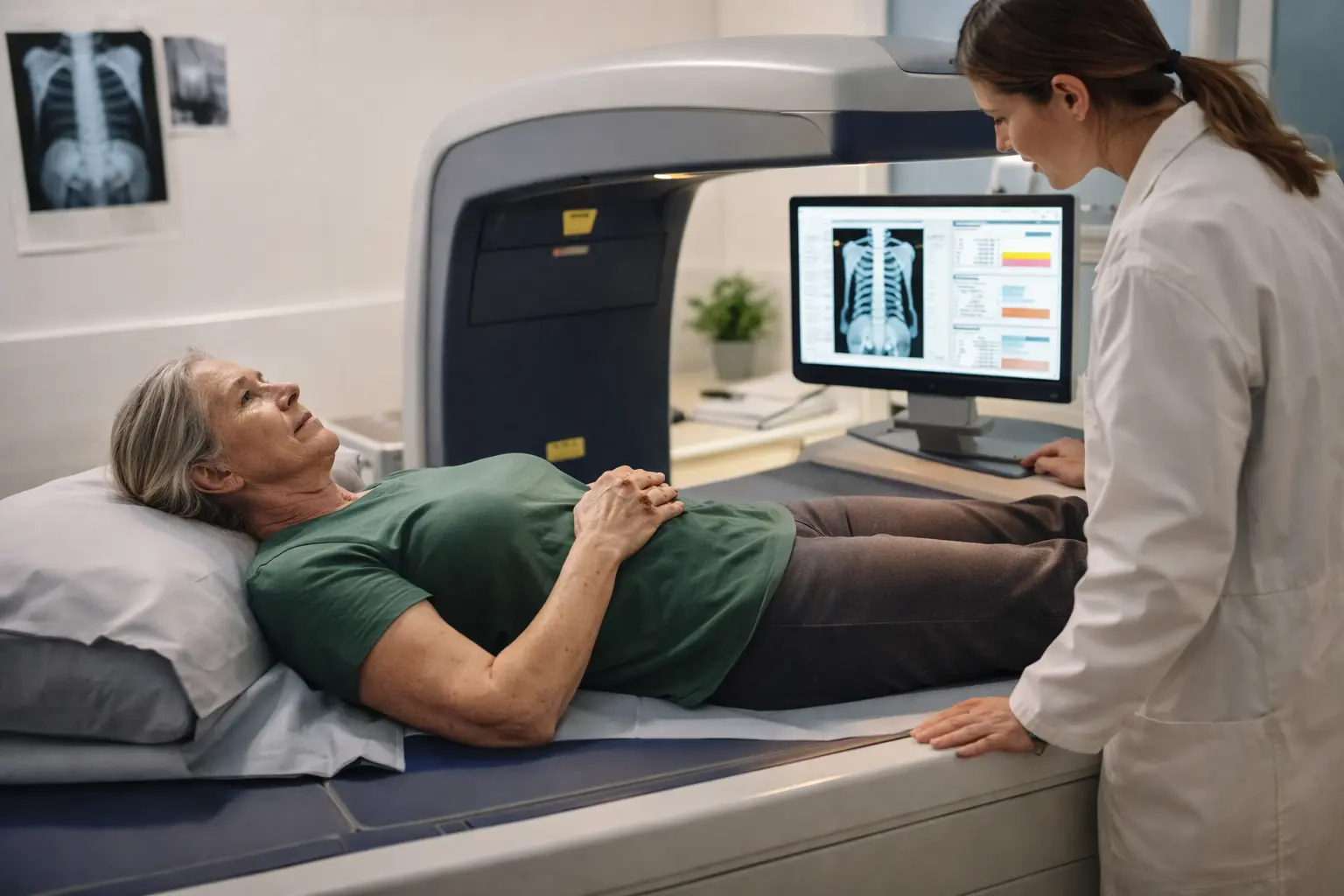
When you arrive for your DXA scan, a technician will guide you to the scanning room and explain the entire process before beginning. You’ll lie flat on a padded table that looks similar to an X-ray table, fully clothed and completely relaxed. The machine has an arm that moves slowly across your body, typically scanning your hip, spine, and sometimes your forearm. You’ll hear soft mechanical sounds as the arm passes over you, but there’s no pain, heat, or sensation whatsoever. The technician may ask you to hold still for brief moments during specific scans to ensure image clarity. The entire process takes between 10 and 30 minutes depending on which areas are being scanned and whether additional measurements are needed. You can breathe normally throughout, and many people find the experience surprisingly calm. Some facilities allow you to bring headphones or listen to music to make the time pass more comfortably. Once complete, you can immediately resume normal activities with no recovery time needed. Within days, your results will be ready for your doctor to review and discuss with you.
Interpreting the results
Your DXA results arrive as a detailed report with T-scores, which compare your bone density to that of a healthy 30-year-old adult of your same sex. Understanding these numbers is crucial for knowing where you stand. A T-score of -1.0 or higher falls in the normal range, meaning your bones are as dense as expected for your age. A T-score between -1.0 and -2.5 indicates osteopenia, a condition where bone density is lower than normal but not yet at the osteoporosis threshold, though fracture risk is still elevated. A T-score below -2.5 indicates osteoporosis, meaning your bones are significantly weaker and fracture risk is substantially higher. Your report also includes Z-scores, which compare you to people your exact age and sex, helping determine if your bone density is unusual for your demographic. Don’t panic if your results show osteopenia or osteoporosis. These conditions are treatable through lifestyle modifications like weight-bearing exercise, adequate calcium and vitamin D intake, and in some cases medication. Your doctor will explain what your specific numbers mean and create a personalized plan to improve or maintain your bone health going forward.
A bone density scan DXA is a vital tool for assessing bone health and detecting conditions like osteoporosis before fractures happen. Young adults should consider this painless procedure to evaluate bone density, especially if they have risk factors, and take preventive action to minimize the risk of fractures in the future.
Is a DXA scan painful?
No, a bone density scan DXA is a completely painless procedure that involves lying still on a table while a machine scans your bones. You’ll feel nothing during the process, and there’s no recovery time needed afterward.
How often should young adults get a DXA scan?
Young adults with risk factors for bone loss or fractures should discuss the frequency of DXA scans with their healthcare provider. Some may need baseline scans every two to three years, while others might only need periodic monitoring depending on their individual circumstances.
Disclaimer: This article is for informational purposes only and is not a substitute for professional medical advice. Always consult a healthcare professional for personal guidance.
This guide has been prepared and reviewed by the GlobalHealthBeacon editorial team and reflects current medical research as of 2026. It provides structured, evidence-based information to support informed health decisions.
