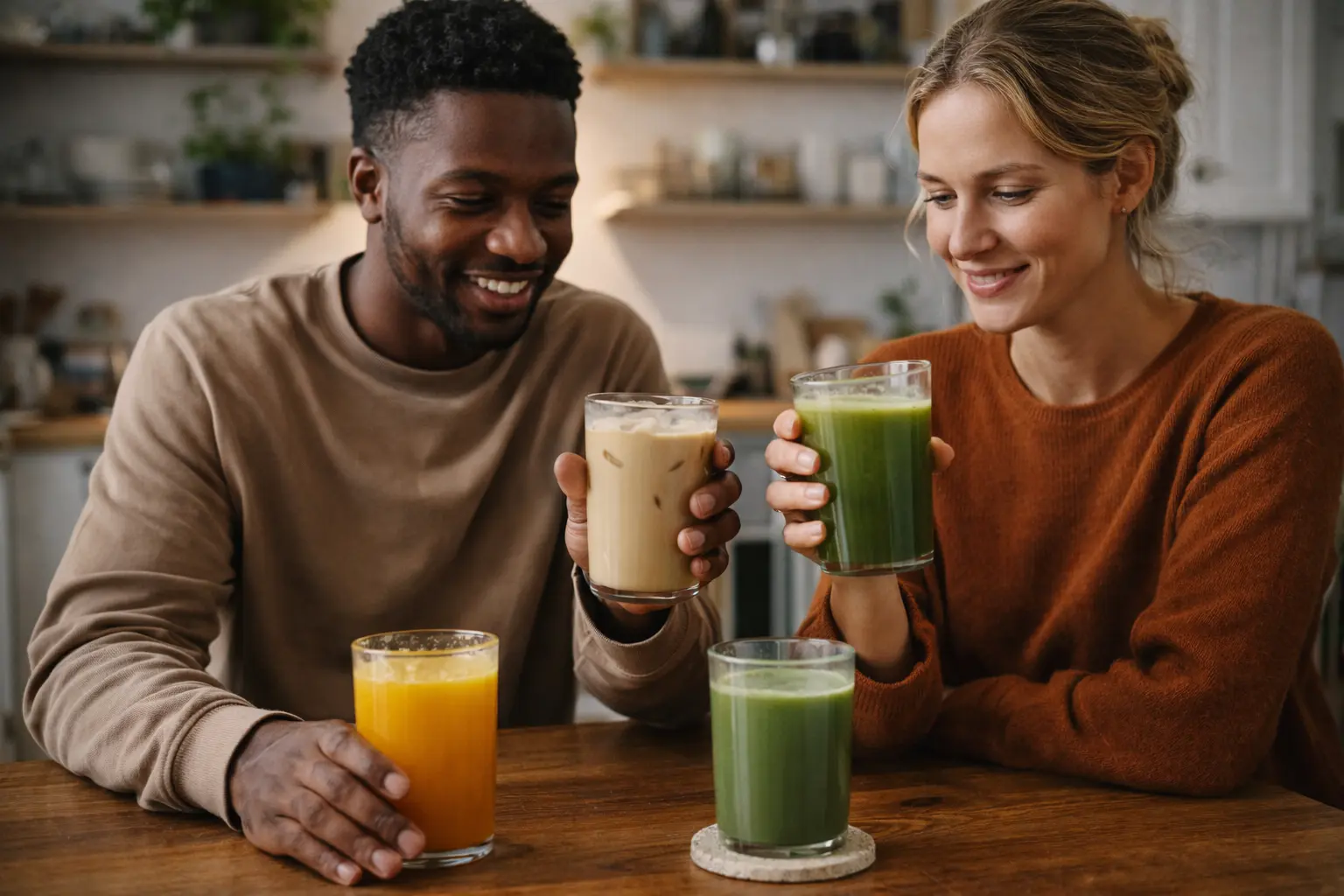
You’re exhausted, your energy crashes by 3pm, and you’re tired of reaching for coffee or sugary drinks that leave you feeling worse than before, so it’s time to discover the best functional wellness drinks that actually work with your body instead of against it.
Understanding functional drinks
Functional drinks are beverages engineered to deliver specific health benefits beyond simple hydration. Think of them as targeted support in a bottle. These drinks combine vitamins, minerals, adaptogens, and plant-based ingredients to address real concerns women face: energy dips, hormonal balance, digestive issues, and immune support. For example, a woman managing afternoon fatigue might choose a drink with B vitamins and rhodiola, while another prioritizing gut health might select one with probiotics and ginger. The key difference between functional drinks and regular beverages is intentionality. Each ingredient serves a purpose. When you read the label, you should understand not just what is in the drink, but why it matters for your specific health goals. Start by identifying what you actually need: better focus during work, recovery after exercise, or sustained energy without the jitters. This clarity helps you select drinks that align with your body’s actual requirements rather than marketing hype.
- Select drinks with natural ingredients and minimal added sugars for maximum health benefits.
- Read labels carefully to understand the purpose of each ingredient and how it can support your health goals.
- Incorporate functional drinks into your daily routine to reap their long-term benefits.
Choosing the right functional drink for you
Selecting the right functional drink requires honest reflection about your current health challenges and goals. Are you struggling with afternoon energy crashes? Look for drinks containing B-complex vitamins, ginseng, or matcha. Do you experience digestive discomfort or bloating? Seek beverages with probiotics, digestive enzymes, or fennel. Perhaps you’re managing stress and sleep quality issues, in which case adaptogenic drinks with ashwagandha or passionflower might serve you better. Consider a practical scenario: Sarah, a marketing manager, noticed her energy plummeted around 2pm, affecting her productivity and mood. Rather than defaulting to another coffee, she tried a functional drink with sustained-release carbohydrates and amino acids. Within a week, she noticed steadier energy and fewer afternoon headaches. The shift happened because she chose based on her actual problem, not general wellness trends. Take time to assess your lifestyle too. If you exercise regularly, prioritize drinks with electrolytes and amino acids for recovery. If you work high-stress hours, adaptogenic blends become more valuable. Your choice should feel like a solution, not an obligation.
📘 Fix your day in under 2 minuteschoose where to begin:
Incorporating functional drinks into your routine
Integration works best when functional drinks replace less healthy habits rather than adding extra calories and decisions to your day. If you currently drink two coffees and a soda, swap one or two of those for a functional alternative. Timing matters significantly. A drink with energizing ingredients works best consumed mid-morning or early afternoon, not before bed. A recovery drink with protein and carbs makes sense post-workout, not randomly throughout the day. Consider your actual schedule: perhaps you grab coffee at 7am before work, experience an energy dip around 10:30am, and another around 3pm. That 10:30am slot becomes your functional drink opportunity, replacing your second coffee. By 3pm, if you need support, a lighter functional beverage with sustained energy works better than another caffeine boost. Some women find success preparing their functional drink as part of a morning ritual, making it a non-negotiable wellness anchor. Others keep individual packets at their desk for convenient afternoon use. The strategy that sticks is the one that requires minimal friction and fits your existing patterns. Start with one consistent time slot, master that habit, then expand if needed.
Balancing hydration with functionality
Functional drinks offer concentrated benefits, but they cannot replace water as your primary hydration source. Water remains essential for every cellular function, temperature regulation, nutrient transport, and mental clarity. Think of functional drinks as supplements to your hydration strategy, not substitutes. A practical approach: aim for at least 8 glasses of plain water daily, then add functional drinks as targeted support on top of that baseline. Many women make the mistake of assuming that because a functional drink contains water, it counts fully toward hydration needs. In reality, drinks with caffeine, added sugars, or certain herbs may have mild diuretic effects, meaning your body processes them differently than plain water. The ideal balance looks like this: start your day with a glass of water upon waking, drink water throughout your morning, enjoy your functional drink at your chosen time, continue with water in the afternoon, and finish with water in the evening. This rhythm ensures you receive both the foundational hydration your body needs and the targeted benefits functional drinks provide. Pay attention to your body’s signals too. If you feel thirsty, drink water first. Thirst is your body’s primary hydration signal, and functional drinks should enhance your wellness strategy, not override your body’s basic needs.
Exploring flavors and varieties
The functional drink market has expanded dramatically, offering flavors and formulations far beyond basic green tea. You might find berry-hibiscus blends supporting heart health, turmeric-ginger combinations targeting inflammation, or tropical fruit formulas with collagen for skin and joint support. The variety exists because different women have different preferences and needs. Some prefer herbal, earthy flavors, while others gravitate toward fruity or spicy profiles. Experimentation is not just acceptable, it is encouraged. Start with a sampler or smaller size before committing to a full supply of any single drink. A woman who dislikes the taste of a functional drink will not maintain the habit, regardless of its benefits. Taste matters for sustainability. You might discover that a coconut-mango functional drink with electrolytes becomes your post-workout favorite, while a chamomile-lavender blend becomes your evening wind-down choice. Some women rotate seasonally, preferring lighter, fruity drinks in summer and warming, spiced options in winter. This approach keeps the habit fresh and prevents boredom. Pay attention to how different formulations make you feel too. One brand’s energy blend might leave you jittery while another feels smooth and sustained. Your body’s response matters more than marketing claims or what works for your friend. Give each option a fair trial of at least three to five days before deciding whether it truly serves you.
Functional drinks represent a practical tool for women seeking targeted health support within their daily routines. Success comes from understanding your specific needs, selecting beverages that address those needs, integrating them into existing habits, maintaining proper hydration with water, and remaining open to exploring options until you find what works for your body and lifestyle. The goal is not perfection but consistent, sustainable wellness choices that feel manageable and effective.
How often should I consume functional drinks?
It is recommended to consume functional drinks in moderation as part of a balanced diet. Consult with your healthcare provider to determine the frequency that best suits your individual health needs.
Can functional drinks replace water for hydration?
While functional drinks offer additional health benefits, water remains essential for proper hydration. It is important to maintain an adequate intake of water throughout the day alongside consuming functional beverages.
Others also read:
Disclaimer: This article is for informational purposes only and is not a substitute for professional medical advice. Always consult a healthcare professional for personal guidance.
This guide has been prepared and reviewed by the GlobalHealthBeacon editorial team and reflects current medical research as of 2026. It provides structured, evidence-based information to support informed health decisions.
