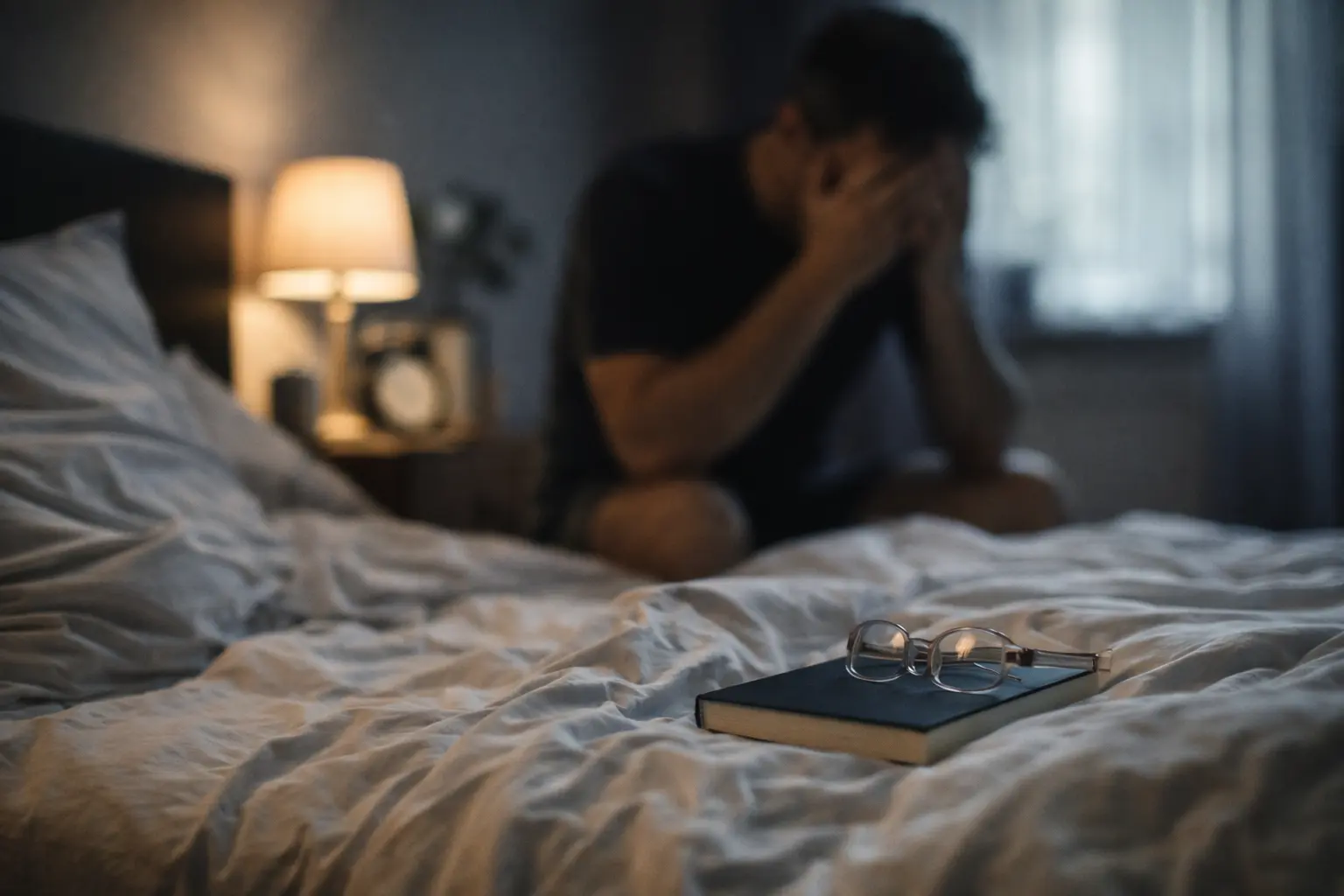
Your chest tightens without warning, your mind spirals into worst-case scenarios, and suddenly you cannot tell if what you are feeling is normal stress or something deeper, and anxiety disorder symptoms explained means finally understanding why your body and mind feel like they are working against you.
Understanding anxiety disorder symptoms
Anxiety disorder symptoms show up differently for everyone, which is part of what makes them so confusing to navigate. For some young adults, it starts with persistent worry that never quite switches off, even when logically you know there is nothing to worry about right now. Others experience the physical side first: a racing heart during a calm afternoon, trembling hands before a normal conversation, or sudden sweating that makes you feel exposed and vulnerable. Then there are the mental symptoms like intrusive thoughts that loop endlessly, difficulty concentrating in class or at work, or that exhausting fatigue that comes from your nervous system running on overdrive. Sleep becomes unpredictable, sometimes impossible. You might lie awake for hours replaying conversations or imagining future disasters. The frustrating part is that these symptoms are real and valid, even when people around you do not seem to understand why you cannot just relax or why you are avoiding situations that used to feel normal.
- Persistent feelings of worry or fear that feel difficult to control
- Sleep disturbances, fatigue, and difficulty maintaining energy throughout the day
- Difficulty concentrating, racing thoughts, or intrusive thoughts you cannot stop
Navigating the emotional rollercoaster
Living with anxiety disorder symptoms means your emotional landscape can shift without notice. One moment you feel okay, and the next moment a small trigger sends you into a spiral of panic or dread that feels completely disproportionate to what triggered it. Maybe someone does not text you back right away and suddenly you are convinced the friendship is over. Or you make one small mistake at work and spend hours convinced you will be fired. These emotional swings are exhausting because they feel so real and so intense that you start questioning your own judgment. The isolation that comes with this is real too. You might withdraw from friends because you are tired of explaining why you cannot go out, or because being around people feels overwhelming. Relationships suffer because your loved ones do not always understand that you are not choosing to feel this way. The emotional toll accumulates, making you feel disconnected from yourself and from the world around you, which can deepen the anxiety even further.
💬 Ready to feel better in 2 minutes?choose where to begin:
Coping with anxiety triggers
Understanding what triggers your anxiety disorder symptoms is like finding the first clue in solving a puzzle about yourself. For one person, it might be social situations where they feel watched or judged. For another, it could be uncertainty about the future, deadlines at work or school, or even physical sensations like a racing heart that makes them panic about their health. Start noticing patterns. Does your anxiety spike before exams or presentations? Does it intensify when you are alone versus in crowds? Does it worsen after scrolling social media or when you have not slept well? Once you identify your triggers, you can start planning. Maybe you need to limit social media before bed, or practice grounding techniques before a stressful event, or give yourself extra time to prepare for situations that make you anxious. Some young adults find that journaling helps them spot patterns they would otherwise miss. Others benefit from talking to someone they trust about what they are experiencing. The goal is not to eliminate triggers entirely, which is often impossible, but to understand them well enough that you feel less blindsided when anxiety shows up.
Seeking support and treatment
One of the hardest steps is admitting you need help, but it is also one of the most important ones. Anxiety disorder symptoms are treatable, and reaching out to a therapist, counselor, or mental health professional is not a sign of weakness, it is a sign of self-awareness and courage. Therapy can look different depending on what works for you. Some young adults benefit from cognitive behavioral therapy, which helps you identify and change thought patterns that fuel anxiety. Others find relief through exposure therapy, where you gradually face situations that make you anxious in a safe, controlled way. Medication prescribed by a doctor can also help take the edge off symptoms so that therapy and coping strategies actually work. Beyond professional support, lifestyle changes matter too. Regular movement, whether that is walking, dancing, or sports, can significantly reduce anxiety. Sleep, nutrition, and limiting caffeine all play a role. Talking to trusted friends or family members helps you feel less alone. Support groups, whether online or in person, connect you with others who truly understand what you are going through. Treatment is not one-size-fits-all, and it might take time to find what works, but the effort is worth it.
Anxiety disorder symptoms explained means understanding that what you are experiencing is real, manageable, and more common than you might think. From physical symptoms like trembling and sleep disruption to emotional waves of dread and isolation, anxiety affects young adults in profound ways. Recognizing your triggers, developing coping strategies, and seeking professional support are not just helpful, they are transformative. You do not have to navigate this alone, and with the right tools and support, you can regain control and build a life where anxiety does not dictate your choices.
How can I differentiate normal stress from an anxiety disorder?
Normal stress is a natural response to challenging situations and typically fades once the stressor is gone. Anxiety disorder symptoms, on the other hand, persist even when the trigger has passed, feel disproportionate to the actual threat, interfere with your daily functioning, and often come with physical symptoms that feel uncontrollable. If worry is keeping you from doing things you want to do or is affecting your sleep, relationships, or work for weeks on end, it is worth talking to a professional.
Can anxiety disorders be cured completely?
While anxiety disorders may not have a single cure, they are highly treatable and manageable. Many young adults find that with the right combination of therapy, lifestyle changes, and sometimes medication, their anxiety disorder symptoms become significantly less intense and less disruptive. Some people reach a point where anxiety barely impacts their daily life. The goal is not perfection but progress and regaining your sense of agency and peace.
Others also read:
Disclaimer: This article is for informational purposes only and is not a substitute for professional medical advice. Always consult a healthcare professional for personal guidance.
This article presents an experience-based perspective and has been reviewed by the GlobalHealthBeacon editorial team in 2026. It provides structured, evidence-based information to support informed health decisions.
