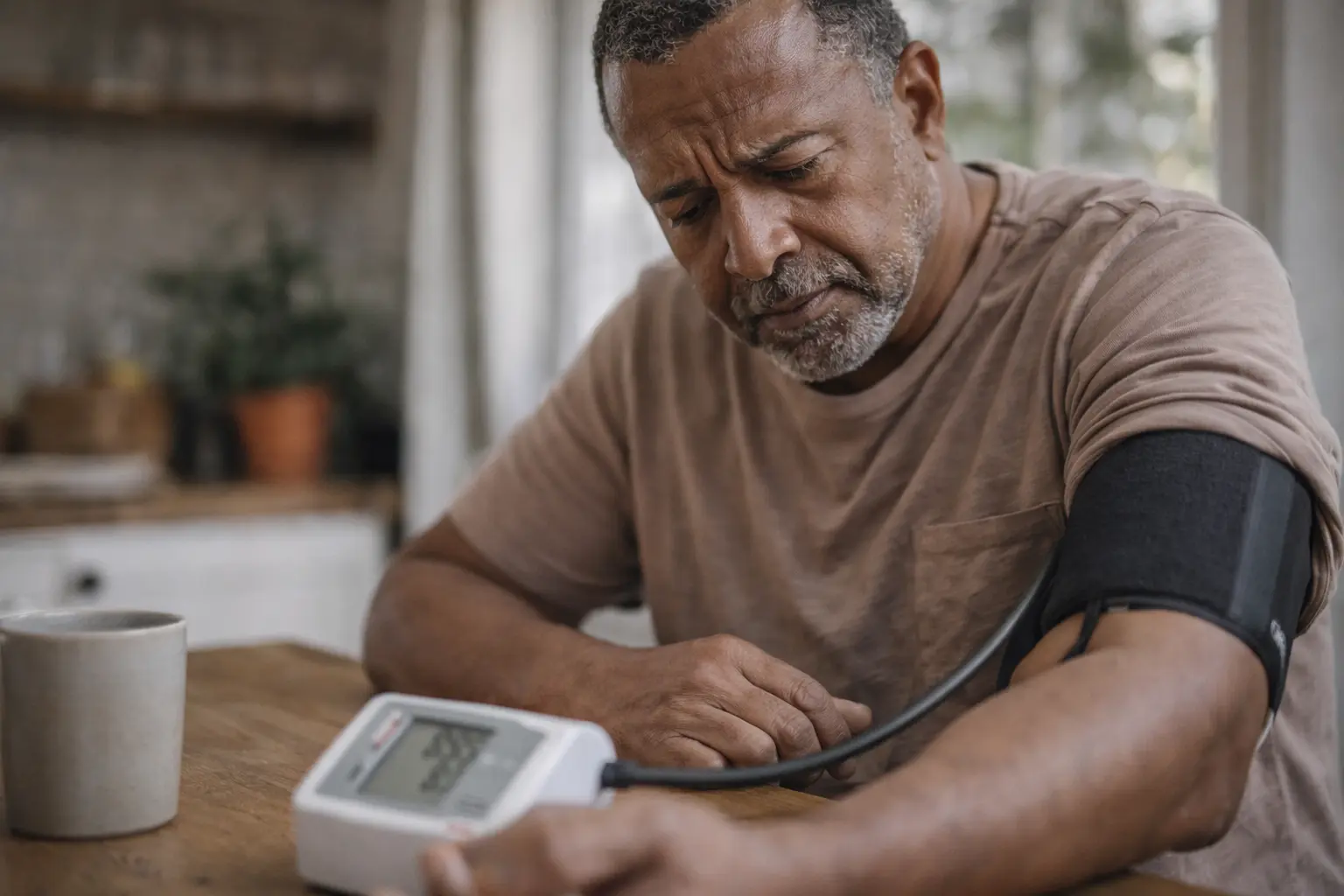
Your doctor keeps throwing around those two numbers, your heart feels like it’s working overtime, and you have no idea what systolic and diastolic actually mean or why they matter so much – blood pressure numbers explained finally makes sense when you understand what’s really happening inside your body.
The significance of blood pressure
Blood pressure is fundamentally about force. When your heart beats, it pumps blood through thousands of miles of arteries and vessels, and that flowing blood exerts pressure against the walls of these vessels. Think of it like water pressure in a garden hose – the stronger the pump, the greater the force pushing outward. This measurement consists of two numbers that tell different parts of the story. The systolic pressure, your top number, captures the force when your heart actively contracts and pushes blood out. The diastolic pressure, your bottom number, measures what happens in the quiet moments between beats when your heart relaxes and refills. For seniors, understanding these figures becomes increasingly important because blood vessel walls naturally become less elastic over time, which can affect how pressure builds and maintains. A typical healthy reading might be around 120 over 80, though what constitutes optimal pressure can vary based on individual health circumstances and medical history.
Mechanisms behind blood pressure numbers
Your heart operates like a sophisticated pump with a precise rhythm. During systole, the heart muscle contracts forcefully, ejecting blood into your arteries – this is when that top number spikes. During diastole, the heart relaxes and the chambers refill with blood returning from your body – this is when pressure drops to that lower number. These two phases reveal how efficiently your cardiovascular system is functioning as an integrated unit. When blood pressure stays elevated over time, it forces your heart to work harder with each beat, like a muscle being continuously strained. Your arteries, which should be flexible and responsive, begin to stiffen under constant pressure. This process, called arteriosclerosis, creates a vicious cycle where stiffer vessels require even more force to move blood through them. For seniors, this mechanism becomes particularly relevant because decades of daily heartbeats and pressure fluctuations accumulate. Research shows that understanding this mechanical relationship helps explain why consistent monitoring matters and why sudden spikes or sustained elevation warrant attention from healthcare providers.
Factors influencing blood pressure
Your blood pressure doesn’t exist in isolation – it responds to dozens of factors working together. Age plays a significant role because blood vessels naturally lose elasticity over decades, making higher readings more common in seniors. Genetics load the gun, but lifestyle pulls the trigger. Someone with a family history of hypertension isn’t destined to develop it if they maintain healthy habits, though they may need to work harder at prevention. Diet directly impacts pressure through sodium intake, which affects fluid retention and vessel function. A person eating processed foods daily might see readings 10 to 15 points higher than someone eating whole foods. Physical activity strengthens the heart muscle and improves vessel flexibility – even moderate walking three times weekly shows measurable improvements. Stress hormones like cortisol and adrenaline cause temporary spikes, which is why white coat syndrome happens when some people’s pressure rises simply from being in a medical office. Sleep quality, alcohol consumption, caffeine intake, and even breathing patterns influence readings. For seniors managing multiple factors simultaneously, small changes often compound into significant improvements over weeks and months.
- Monitor blood pressure regularly at home or with your healthcare provider, ideally at the same time each day to establish baseline patterns and track trends over time.
- Follow a heart-healthy diet rich in fruits, vegetables, whole grains, and lean proteins while being mindful of sodium content in packaged and restaurant foods.
- Engage in regular physical activity such as brisk walking, swimming, or cycling for at least 150 minutes weekly to support cardiovascular function.
- Limit sodium intake to less than 2,300 milligrams daily, avoid tobacco use in all forms, and reduce alcohol consumption to moderate levels as recommended by healthcare professionals.
- Consult with a healthcare professional for personalized guidance on managing blood pressure, medication options if needed, and lifestyle modifications tailored to your specific health situation.
🔬 Science-backed benefits in 2 minuteschoose where to begin:
Potential risks of uncontrolled blood pressure
Imagine your arteries as highways designed for normal traffic flow. When pressure stays elevated, it’s like rush hour traffic that never ends – the constant strain damages the infrastructure. Over months and years, uncontrolled high blood pressure creates real damage in your body. The heart muscle thickens as it works harder, eventually losing its ability to relax properly between beats – a condition called diastolic dysfunction. Arteries develop tiny tears in their inner lining, and your body tries to patch these tears with scar tissue, which ironically makes vessels even stiffer. These damaged areas become collection points for cholesterol and plaque, narrowing the passageways further. In the brain, sustained high pressure can weaken small blood vessels, increasing stroke risk. The kidneys, which filter waste through delicate blood vessels, gradually lose function when exposed to chronic high pressure – sometimes requiring dialysis years later. Vision problems develop when pressure damages the tiny vessels in your eyes. For seniors, these complications don’t appear suddenly; they develop silently over years, which is why many people feel fine while serious damage accumulates. This silent progression makes regular monitoring genuinely life-saving rather than merely cautious.
Research insights on blood pressure
Decades of cardiovascular research paint a clear picture about blood pressure’s role in health outcomes. Large studies following thousands of people over 10, 20, and 30 years consistently show that every 10-point increase in systolic pressure correlates with measurably higher risks of heart disease and stroke. The Framingham Heart Study, which began tracking families in the 1940s and continues today, revealed that people with optimal blood pressure in their 50s had dramatically better health outcomes in their 70s and 80s compared to those with elevated readings. Research on seniors specifically shows that the relationship between pressure and risk continues into advanced age – contrary to older beliefs that high blood pressure was somehow protective in elderly populations. Studies examining different treatment approaches demonstrate that lifestyle modifications produce real physiological changes, not just temporary improvements. One notable study found that people who reduced sodium intake, increased physical activity, and lost modest amounts of weight achieved pressure reductions comparable to some medications. International research comparing populations with different dietary patterns shows that cultures consuming less processed food consistently have lower average blood pressures and fewer cardiovascular events. These findings empower seniors with evidence that their choices genuinely matter and that improvements are possible at any age.
The future of blood pressure management
Blood pressure management is evolving rapidly as technology and understanding advance. Wearable devices now monitor pressure continuously throughout the day rather than capturing single snapshots, revealing patterns that traditional office visits miss. Artificial intelligence is being trained to predict who will develop complications years before symptoms appear, potentially allowing preventive intervention. Genetic research is identifying specific variations that make some people more salt-sensitive or medication-responsive, moving toward truly personalized treatment plans. New medication classes target different mechanisms than traditional drugs, offering options for people who don’t respond well to standard treatments. Research into the gut microbiome suggests that certain bacteria influence blood pressure regulation, opening entirely new treatment avenues. Home monitoring technology is becoming more accurate and user-friendly, making it easier for seniors to track readings without clinic visits. Telemedicine allows healthcare providers to review trends and adjust management plans more frequently and conveniently. Clinical trials are testing whether very tight blood pressure control in seniors produces better outcomes than previous targets, potentially changing treatment goals. Staying informed about these developments helps seniors understand that their healthcare providers have expanding tools and knowledge to support better outcomes, and that today’s management approaches will likely improve further in coming years.
Understanding blood pressure requires grasping both the mechanical forces at work and the personal factors influencing your individual readings. Research consistently demonstrates that monitoring and managing blood pressure through lifestyle choices and medical guidance when needed significantly impacts long-term health outcomes for seniors. The good news is that blood pressure responds to intervention at any age, and the choices you make today create measurable differences in how you feel and function tomorrow.
How often should seniors monitor their blood pressure?
Seniors should monitor their blood pressure regularly, ideally at least once daily at the same time each day to establish consistent baseline readings. If you have been diagnosed with high blood pressure or are taking medications to manage it, your healthcare provider may recommend more frequent monitoring. Home monitoring provides valuable information about how your pressure responds to daily activities, stress, diet, and exercise. Some people benefit from monitoring multiple times daily to identify patterns. If you notice unusual readings or significant changes from your baseline, contact your healthcare provider for guidance rather than assuming it’s normal variation.
Are there natural ways to lower blood pressure?
Yes, lifestyle modifications produce measurable blood pressure reductions for many people. Following a heart-healthy diet emphasizing fruits, vegetables, whole grains, and lean proteins while reducing sodium intake shows consistent results. Regular physical activity, even moderate walking for 30 minutes most days, strengthens your cardiovascular system and improves vessel function. Managing stress through relaxation techniques, adequate sleep, and social connection contributes to better pressure control. Limiting alcohol consumption and avoiding tobacco use remove significant pressure-raising factors. Weight loss, if applicable, often produces substantial improvements. However, these approaches work best when combined and sustained over time, and some people require medication alongside lifestyle changes. Always consult with your healthcare professional before making significant changes, especially if you take blood pressure medications, as your treatment plan may need adjustment.
Others also read:
Disclaimer: This article is for informational purposes only and is not a substitute for professional medical advice. Always consult a healthcare professional for personal guidance.
This article has been prepared and reviewed by the GlobalHealthBeacon editorial team and is based on current medical research and published scientific literature available in 2026. It provides structured, evidence-based information to support informed health decisions.
← Back to the Main page on: blood pressure numbers explained
