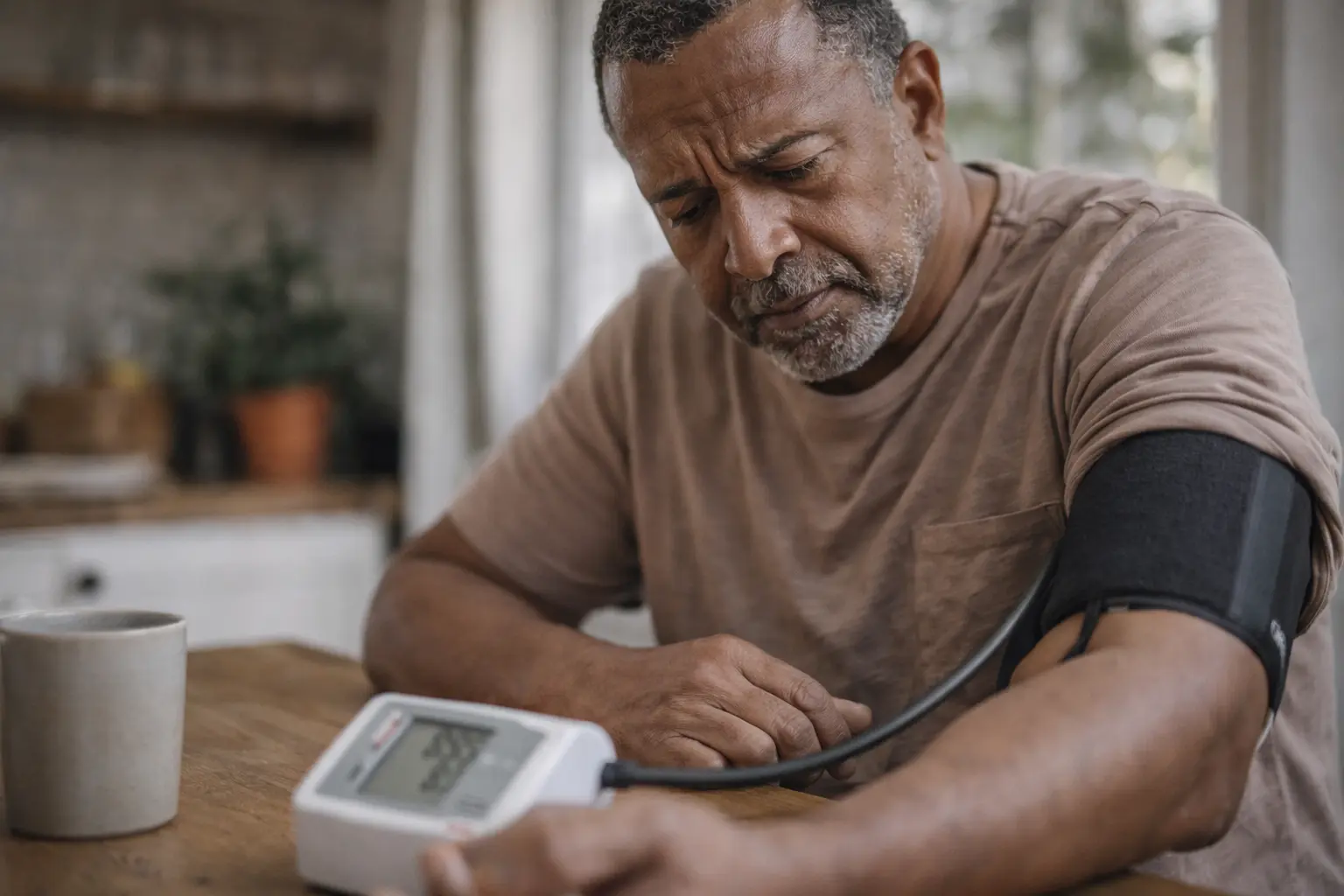
Your doctor just told you your blood pressure is creeping up, and now you’re staring at those two numbers on the monitor wondering what they actually mean and whether you should be panicking about it.
Understanding blood pressure numbers
Your blood pressure reading consists of two numbers: systolic (top number) and diastolic (bottom number). The systolic number measures the pressure in your blood vessels when your heart beats, while the diastolic number measures the pressure when your heart rests between beats. Think of it like a water pressure system: systolic is the force when the pump is actively pushing, and diastolic is the residual pressure when it pauses. For example, if your reading is 125/82, that means your systolic pressure is 125 mm Hg and your diastolic is 82 mm Hg. Normal blood pressure is typically below 120/80 mm Hg, elevated blood pressure ranges from 120-129 with a diastolic below 80 mm Hg, and hypertension stage 1 starts at 130-139 or 80-89 mm Hg. Understanding these categories helps you recognize where you stand and what action might be needed.
- Normal blood pressure is typically below 120/80 mm Hg.
- Elevated blood pressure ranges from 120-129/<80 mm Hg.
- Hypertension stage 1 starts at 130-139/80-89 mm Hg.
Tips for lowering your blood pressure
Lowering your blood pressure doesn’t require drastic changes overnight. Start with one or two manageable shifts rather than overhauling everything at once. Maintain a healthy weight by reducing portion sizes and choosing nutrient-dense foods over calorie-dense ones. Engage in regular physical activity like brisk walking for 30 minutes, five days a week, or cycling, swimming, or strength training. Reduce sodium intake by checking food labels and cooking at home more often instead of relying on restaurant meals and processed snacks. Limit alcohol consumption to no more than one drink per day for women and two for men. Manage stress effectively through meditation, deep breathing exercises, yoga, or simply spending time in nature. A common mistake young adults make is expecting results within days. Blood pressure typically responds to lifestyle changes over weeks to months, so patience and consistency matter more than perfection.
📘 Fix your day in under 2 minuteschoose where to begin:
Importance of monitoring your blood pressure
Regularly monitoring your blood pressure at home provides a clearer picture than occasional doctor visits. You’ll notice patterns: maybe your readings spike on stressful workdays or dip after exercise. This data becomes invaluable when discussing progress with your healthcare provider. Invest in a reliable, validated home blood pressure monitor that fits your arm properly, as an incorrect fit skews results significantly. Check your pressure at the same time each day, ideally in the morning before caffeine and in a calm state. Keep a simple log or use a smartphone app to track readings over time. Many young adults skip this step thinking they feel fine, but high blood pressure is often called the silent killer because you typically feel nothing until damage occurs. Catching trends early gives you the power to adjust your approach before medication becomes necessary.
Developing a heart-healthy diet
A heart-healthy diet doesn’t mean eating bland food or strict restriction. Focus on a balanced approach: fill half your plate with fruits and vegetables, one quarter with whole grains like brown rice or quinoa, and one quarter with lean proteins such as chicken, fish, beans, or tofu. Low-fat dairy products provide calcium without excess saturated fat. Limit processed foods, which hide sodium and added sugars that quietly elevate blood pressure. For example, a single can of soup might contain half your daily sodium limit. Saturated fats from butter, fatty meats, and full-fat dairy narrow your arteries over time. Instead, use olive oil, eat fatty fish like salmon twice weekly for omega-3s, and snack on nuts and seeds. A practical starting point: swap one processed snack daily for a whole food alternative. This gradual approach feels sustainable rather than punishing.
Seeking professional guidance
Consulting a healthcare provider for personalized advice is essential, especially if you have a family history of high blood pressure, existing health conditions like diabetes or kidney disease, or if lifestyle changes alone haven’t brought your numbers down after three to six months. Your doctor can rule out secondary causes of high blood pressure, recommend tailored strategies based on your specific situation, and determine whether medication is appropriate. Don’t view this as failure if medication becomes part of your plan. Many young adults benefit from combining lifestyle changes with medication to prevent long-term heart and kidney damage. Your provider can also refer you to a registered dietitian or exercise specialist for more detailed guidance. Regular check-ins keep you accountable and allow your doctor to monitor your progress and adjust recommendations as needed.
Understanding blood pressure numbers, making lifestyle changes, monitoring regularly, adopting a heart-healthy diet, and seeking professional guidance are crucial steps in managing your blood pressure effectively.
How often should I check my blood pressure?
It is recommended to check your blood pressure at least once a day, preferably at the same time each day. Consistent monitoring can help you establish patterns and detect any changes.
Can stress affect blood pressure readings?
Yes, stress can temporarily raise your blood pressure. Learning to manage stress through relaxation techniques, regular exercise, and adequate sleep can have a positive impact on your blood pressure levels.
Others also read:
Disclaimer: This article is for informational purposes only and is not a substitute for professional medical advice. Always consult a healthcare professional for personal guidance.
This guide has been prepared and reviewed by the GlobalHealthBeacon editorial team and reflects current medical research as of 2026. It provides structured, evidence-based information to support informed health decisions.
