Your blood pressure numbers keep creeping up and you have no idea why, and honestly, it’s starting to stress you out even more because you know stress makes it worse, but this guide breaks down exactly what those numbers mean and gives you five real, actionable ways to take control of your health starting today.
Understanding blood pressure readings
Blood pressure readings can feel like a mystery, but they’re actually straightforward once you know what you’re looking at. The top number, called systolic pressure, represents the force your heart exerts on artery walls when it beats. Think of it like the pressure in a water hose at the moment you turn on the faucet. The bottom number, diastolic pressure, measures the pressure between heartbeats when your heart is resting. Normal blood pressure sits around 120/80 mmHg, but this can vary based on your age, fitness level, and overall health. For women specifically, hormonal changes during menstruation, pregnancy, and menopause can influence readings. Elevated readings don’t always mean something is wrong, but they signal that your body is working harder than it should. Many women find it helpful to track readings at the same time each day, preferably in the morning before caffeine, to get consistent baseline numbers. Understanding these numbers empowers you to recognize patterns and communicate effectively with your healthcare provider.
- Learn the ideal blood pressure range for women of different ages.
- Discuss any concerns with your healthcare provider for personalized advice.
- Be aware of the factors that can affect your blood pressure, such as stress, diet, and physical activity.
Maintaining a healthy lifestyle
Lifestyle changes form the foundation of blood pressure management and often work better than you’d expect. Regular physical activity, even moderate exercise like brisk walking for 30 minutes most days, strengthens your heart and improves circulation. A woman who previously felt sluggish might notice her energy increases and her readings drop within weeks of starting consistent movement. Diet plays an equally crucial role. Focus on whole foods: leafy greens, berries, lean proteins, and whole grains. Reduce sodium intake by cooking at home more often, since restaurant and processed foods hide excessive salt. Limit alcohol to no more than one drink daily, as excessive consumption raises blood pressure. Avoid smoking entirely, as it damages blood vessel walls and increases cardiovascular strain. Small changes compound over time. Swapping sugary drinks for water, choosing grilled chicken instead of fried, or taking the stairs instead of the elevator all contribute to meaningful improvements. Many women find that when they address lifestyle factors first, they may avoid or delay medication entirely.
📘 Fix your day in under 2 minuteschoose where to begin:
Stress management techniques
Chronic stress acts like a silent pressure valve constantly releasing tension into your cardiovascular system. When you’re stressed, your body releases hormones that constrict blood vessels and increase heart rate, pushing blood pressure upward. Over time, this becomes your new normal. Yoga combines gentle movement with breathing awareness, making it particularly effective for women managing blood pressure. Even 15 minutes of daily yoga can create noticeable shifts. Meditation and mindfulness practices train your nervous system to activate its calming response. Start with just five minutes of deep breathing: inhale for four counts, hold for four, exhale for four. Progressive muscle relaxation, where you tense and release muscle groups systematically, releases physical tension you may not realize you’re holding. Hobbies matter too. Whether it’s gardening, painting, reading, or spending time with friends, activities that bring genuine joy lower cortisol and blood pressure. Some women find that journaling their worries helps them process stress rather than letting it accumulate. The key is consistency. A single yoga session won’t solve chronic stress, but daily practice rewires how your body responds to pressure.
Regular monitoring and check-ups
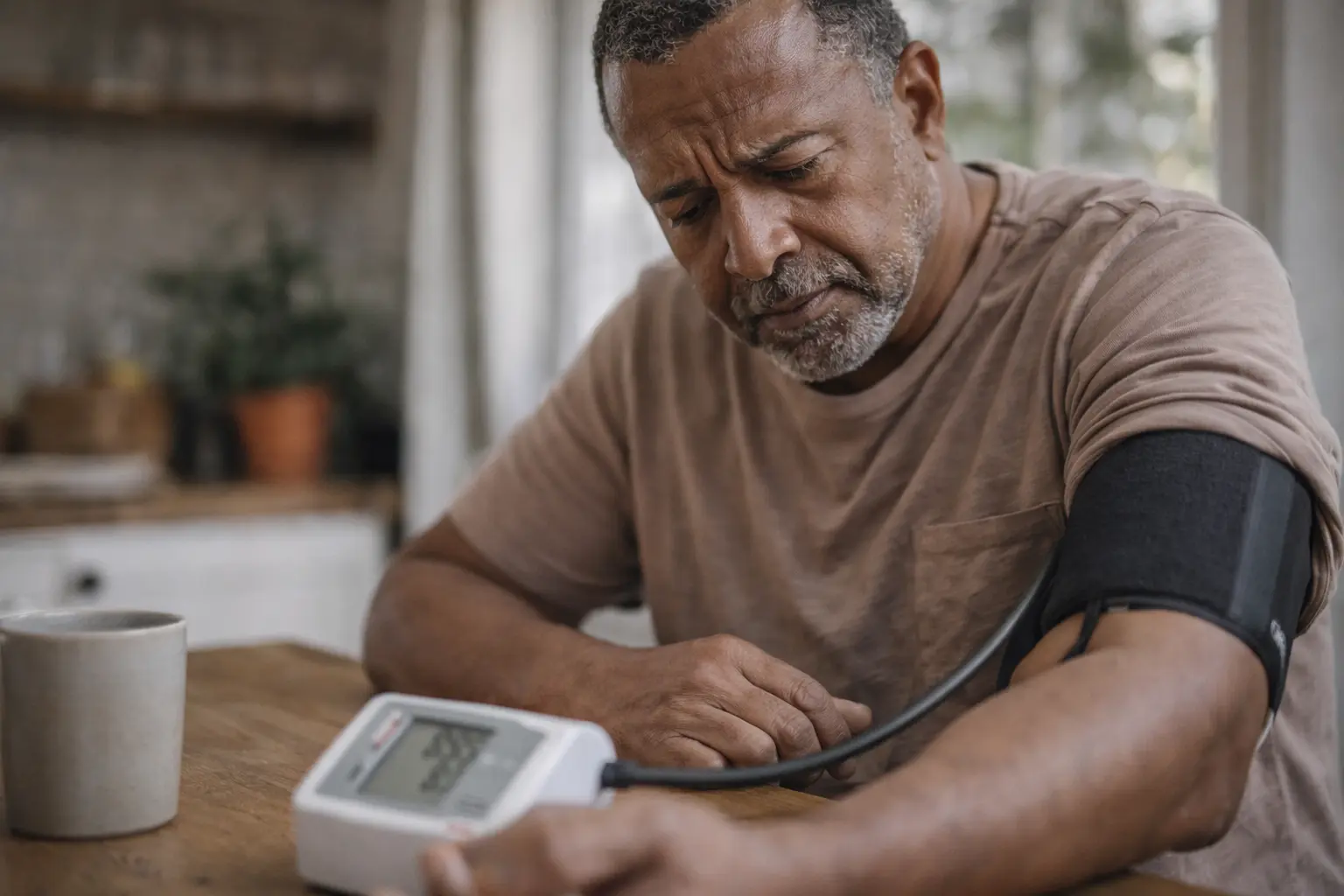
Tracking your blood pressure at home transforms you from a passive patient into an active participant in your health. A reliable home monitor costs between 30 and 60 dollars and provides invaluable data. Take readings at consistent times, typically morning and evening, and record them in a notebook or app. Over weeks and months, patterns emerge. You might notice your readings spike on stressful work days or drop after you’ve been exercising regularly. This self-knowledge guides your decisions. Bring your home readings to doctor appointments so your healthcare provider sees the full picture, not just the single reading taken in their office. Many women experience white coat syndrome, where readings are artificially high in medical settings, so home data provides crucial context. Schedule routine check-ups at least annually, or more frequently if your doctor recommends it. These visits allow your provider to assess whether lifestyle changes are working or if medication might help. Regular monitoring also catches gradual increases early, before they become problematic. Think of it as an early warning system that gives you time to adjust your approach.
Seeking professional guidance
Even with perfect lifestyle habits, some women need medication to manage blood pressure effectively. This isn’t failure. It’s biology. Genetics, age, and hormonal factors influence blood pressure in ways you can’t control through willpower alone. A healthcare professional can evaluate your individual situation, review your family history, and determine whether medication makes sense for you. They can also rule out secondary causes of high blood pressure, like thyroid problems or kidney issues, that require specific treatment. If you’re prescribed medication, work with your doctor to find the right type and dose. Some medications cause side effects that make compliance difficult. Your provider can adjust your prescription until you find one that works. Regular follow-up appointments ensure your treatment plan stays effective as your body and life circumstances change. Women approaching menopause should discuss how hormonal shifts might affect their blood pressure management. Don’t hesitate to ask questions or voice concerns. Your healthcare provider is your partner in this process, and open communication leads to better outcomes and a treatment plan that fits your life.
Understanding your blood pressure numbers is vital for managing your health. By adopting a healthy lifestyle, managing stress, monitoring your blood pressure regularly, and seeking professional guidance when needed, you can take control of your blood pressure as a woman.
What is considered normal blood pressure for women?
Normal blood pressure for women is typically around 120/80 mmHg, but ideal ranges can vary based on age and individual health factors.
How often should women monitor their blood pressure?
Women should monitor their blood pressure regularly at home and schedule routine check-ups with healthcare providers for comprehensive assessments.
Others also read:
Disclaimer: This article is for informational purposes only and is not a substitute for professional medical advice. Always consult a healthcare professional for personal guidance.
This guide has been prepared and reviewed by the GlobalHealthBeacon editorial team and reflects current medical research as of 2026. It provides structured, evidence-based information to support informed health decisions.
