You’re exhausted all the time, your energy crashes mid-afternoon, and you can’t figure out why, but here’s the thing: an a1c test explained could reveal exactly what’s happening inside your body right now.
What is an A1C test?
An A1C test measures your average blood sugar levels over the past 2-3 months, giving you a window into how your body has been handling glucose day in and day out. Think of it like a report card for your blood sugar management. Instead of checking your glucose at one moment in time, this test captures the bigger picture. It works by measuring how much glucose has attached itself to your hemoglobin, the protein in your red blood cells that carries oxygen. When you eat, your body breaks down carbohydrates into glucose, and your pancreas releases insulin to help cells absorb it. If your body struggles with this process consistently, glucose builds up in your bloodstream and sticks to your hemoglobin. This test reveals exactly how much sticking has happened over months, helping doctors diagnose prediabetes or diabetes early.
- Measures average blood sugar levels over 2-3 months
- Aids in diagnosing prediabetes or diabetes
- Reflects how well your body controls sugar
Why is the A1C test important for young adults?
For young adults, getting an A1C test done can feel like getting a health cheat sheet before problems spiral. Many young people think diabetes is something that happens to older folks, but the reality is different. Type 2 diabetes is increasingly showing up in people in their 20s and 30s, often without obvious symptoms. You might feel fine, have energy most days, and think your health is solid, but your blood sugar could be silently creeping into dangerous territory. Early detection changes everything. If you catch prediabetes now, lifestyle adjustments like walking more, eating differently, and managing stress can actually reverse the condition. You’re not locked into a diabetes diagnosis. Getting tested gives you the power to make choices before your body makes the choice for you. It’s about prevention, not panic.
💬 Ready to feel better in 2 minutes?choose where to begin:
How to prepare for an A1C test
Preparing for an A1C test is straightforward, but getting the details right matters. Unlike some blood tests, you don’t necessarily need to fast for an A1C test, but your doctor might ask you to anyway for other routine bloodwork, so confirm their specific instructions. On the day of your test, wear loose, comfortable clothing so the phlebotomist can access your arm easily. Eat normally unless told otherwise, stay hydrated, and try to relax beforehand. If needles make you anxious, let the lab staff know. They deal with nervous patients constantly and can help you feel calmer. Mention any medications, supplements, or herbal remedies you’re taking, as some can affect results. Arrive a few minutes early to settle your nerves. The actual blood draw takes seconds. You’ll feel a small pinch, and it’s over. Trust the process and remember that this test is giving you information that helps you take control.
Interpreting A1C results and taking action
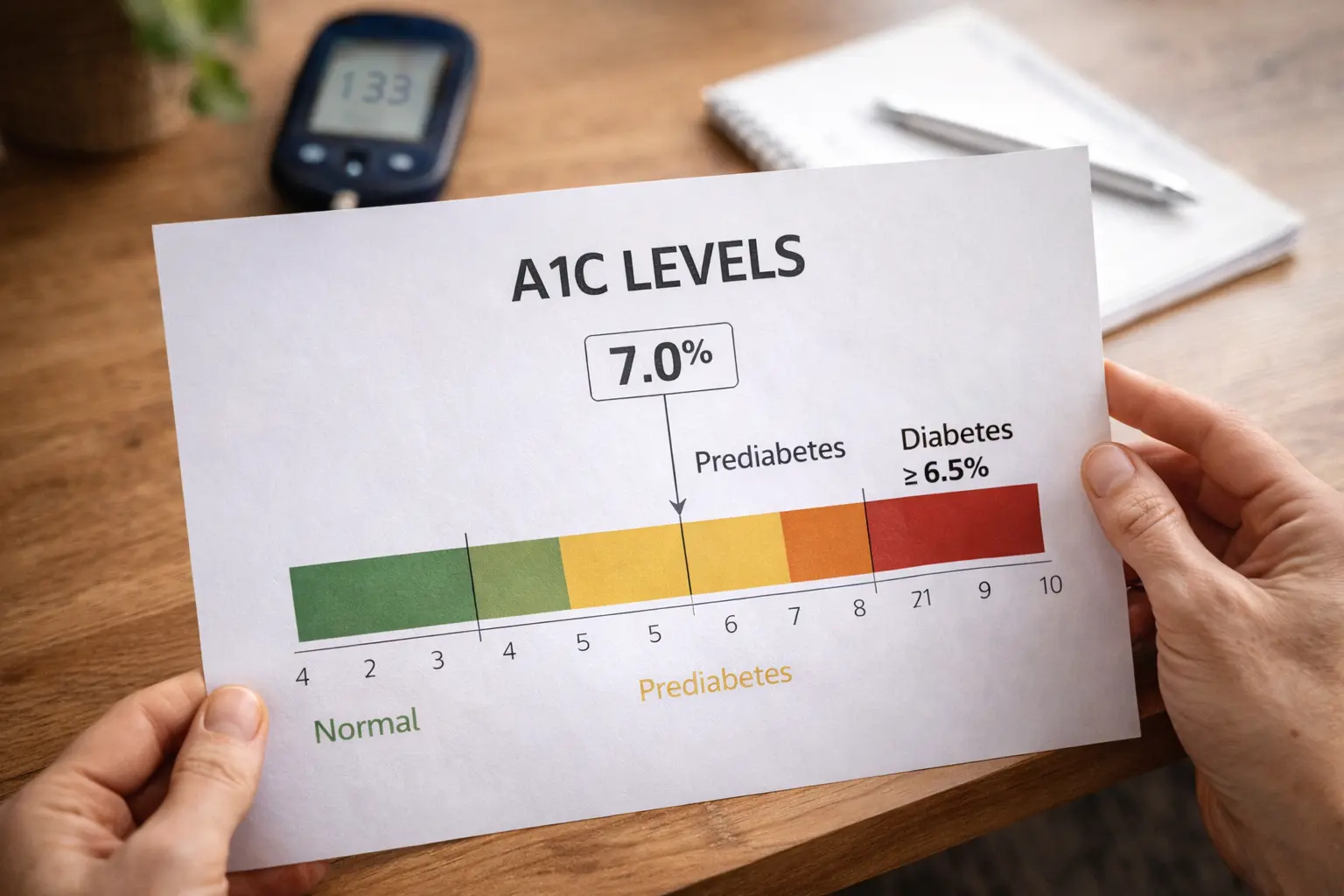
When you get your A1C results back, the numbers tell a story about your metabolic health. A normal A1C level sits below 5.7%, meaning your blood sugar has been well-controlled. If your results fall between 5.7% and 6.4%, you’re in the prediabetes range, which is actually a wake-up call, not a death sentence. Many people reverse prediabetes with lifestyle changes. A1C of 6.5% or higher indicates diabetes. If your results are higher than you hoped, resist the urge to panic or feel ashamed. Millions of young adults are in this situation right now. Instead, schedule a follow-up with your doctor to understand what the numbers mean for your specific body and circumstances. Ask about next steps, whether that’s dietary changes, exercise plans, or monitoring schedules. Your doctor isn’t there to judge you. They’re there to help you create a realistic plan that fits your life.
The A1C test offers insight into your blood sugar control over the past few months, aiding in the early detection of diabetes or prediabetes. Understanding the importance of this test can empower young adults to take charge of their health and make informed decisions.
Is the A1C test painful?
The A1C test involves a simple blood draw similar to routine blood tests. Some people may experience slight discomfort, but it’s generally painless.
Can I eat before an A1C test?
To ensure accurate results, it’s recommended to fast for at least 8 hours before an A1C test. However, always follow your healthcare provider’s specific instructions.
Others also read:
Disclaimer: This article is for informational purposes only and is not a substitute for professional medical advice. Always consult a healthcare professional for personal guidance.
This article presents an experience-based perspective and has been reviewed by the GlobalHealthBeacon editorial team in 2026. It provides structured, evidence-based information to support informed health decisions.
