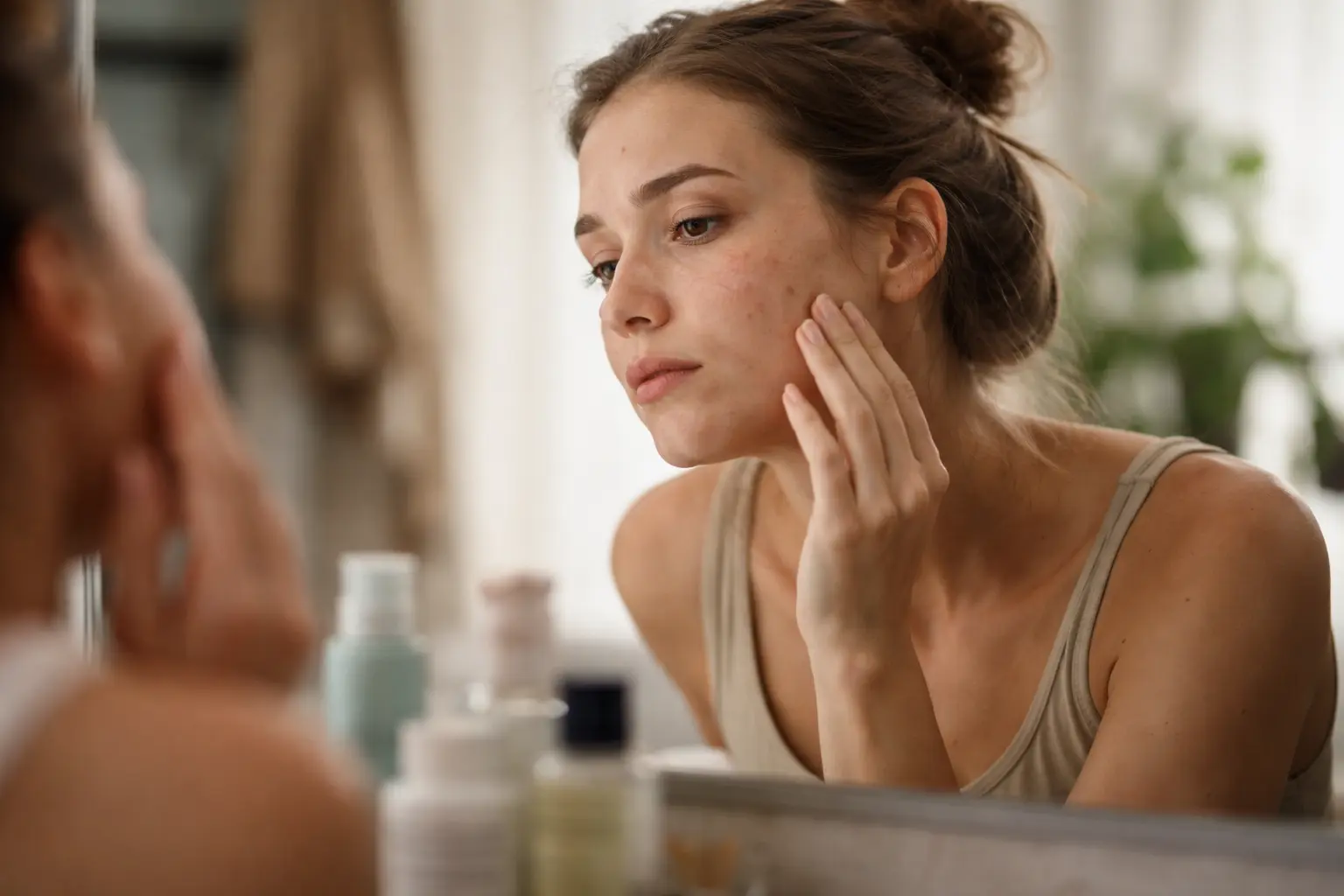
You wake up, look in the mirror, and there it is again – another breakout right when you need clear skin most, and you’re tired of feeling like your face is working against you, so here’s your acne treatment guide to finally take control.
Understanding acne: what causes it?
Acne is a common skin condition that occurs when hair follicles become clogged with oil and dead skin cells, and understanding why this happens is your first step toward managing it effectively. For many women, acne isn’t just a teenage phase – it can persist into your twenties, thirties, and beyond due to hormonal fluctuations tied to your menstrual cycle, pregnancy, or hormonal birth control changes. Your genetics also play a significant role; if your mother struggled with acne, you’re more likely to experience it too. Additionally, certain medications like corticosteroids or lithium can trigger breakouts as a side effect. Environmental factors matter as well – pollution, humidity, and even the products you use daily can contribute to clogged pores. Understanding these root causes helps you address acne at its source rather than just treating the surface symptoms.
- Excess oil production can lead to clogged pores and acne breakouts, especially during hormonal shifts.
- Hormonal fluctuations, especially during puberty, menstruation, and menopause, can trigger acne.
- Genetics play a significant role in determining your susceptibility to acne and how severe it may become.
Developing a skincare routine
Establishing a consistent skincare routine is key to managing acne, and the right approach depends on understanding your skin type and what it actually needs. Start with a gentle cleanser twice daily – morning and night – using lukewarm water and your fingertips rather than harsh scrubbing, which can irritate skin and worsen breakouts. After cleansing, apply a targeted treatment like salicylic acid or niacinamide to problem areas, then follow with a lightweight, non-comedogenic moisturizer to keep your skin barrier healthy. Many women make the mistake of over-treating their skin or skipping moisturizer entirely because they think it will make acne worse, but dehydrated skin actually produces more oil to compensate. Exfoliate gently one to three times per week using chemical exfoliants rather than physical scrubs, which can cause micro-tears. Consider introducing a retinoid product slowly into your routine, starting with low concentrations and using it just two to three times weekly until your skin adapts. Consistency matters more than complexity – a simple routine you actually follow beats an elaborate one you abandon.
📘 Fix your day in under 2 minuteschoose where to begin:
Diet and lifestyle changes
What you eat and how you live directly impact your skin’s health and your body’s ability to heal breakouts from the inside out. A balanced diet rich in fruits, vegetables, whole grains, and lean proteins provides the vitamins and minerals your skin needs to repair itself and reduce inflammation. Consider reducing high-glycemic foods like white bread and sugary snacks, which can spike insulin levels and trigger hormonal responses that increase oil production. Omega-3 fatty acids from sources like salmon, flaxseeds, and walnuts help reduce skin inflammation, while foods high in antioxidants like berries and dark leafy greens protect your skin from damage. Staying hydrated by drinking adequate water helps flush toxins and keeps your skin plump and resilient. Sleep is equally important – during deep sleep, your body increases blood flow to the skin and rebuilds collagen, so aim for seven to nine hours nightly. Stress management through yoga, meditation, or even a daily walk matters because stress hormones like cortisol increase oil production and inflammation. Many women find that tracking their breakouts alongside their diet and stress levels reveals personal triggers they can then avoid or manage more effectively.
Treatment options: over-the-counter and prescription
Over-the-counter acne treatments offer accessible starting points for managing mild to moderate breakouts without a doctor’s visit. Benzoyl peroxide works by killing acne-causing bacteria and is available in concentrations from 2.5% to 10%, with lower concentrations being equally effective and less irritating. Salicylic acid exfoliates inside the pore to prevent clogs and works best for comedonal acne (blackheads and whiteheads). Niacinamide reduces oil production and inflammation while strengthening your skin barrier, making it gentle enough for sensitive skin. For moderate to severe acne that doesn’t respond to over-the-counter products after eight to twelve weeks, prescription options become necessary. Topical retinoids like tretinoin increase cell turnover and are highly effective but require gradual introduction and sun protection. Oral antibiotics like doxycycline reduce bacteria and inflammation but should be used short-term alongside topical treatments. For hormonal acne triggered by your menstrual cycle, hormonal birth control or spironolactone may be recommended by your dermatologist. Isotretinoin (Accutane) is reserved for severe, scarring acne and requires close monitoring due to potential side effects. Always consult a dermatologist to determine which treatment aligns with your specific acne type, skin sensitivity, and medical history.
Preventing acne scarring
Preventing acne scars is crucial because once scarring occurs, it’s difficult and expensive to treat, making prevention your best strategy from the start. The most important rule is to resist the urge to pick, squeeze, or pop pimples, even though it’s tempting – this damages the skin barrier and pushes bacteria deeper, leading to more severe inflammation and permanent pitting or rolling scars. Instead, use targeted spot treatments and allow your skin time to heal naturally, which typically takes one to two weeks per blemish. Sun protection is essential because UV exposure darkens acne marks and can make them more noticeable and permanent, so use a broad-spectrum SPF 30 or higher daily, even on cloudy days. Treat acne early and aggressively rather than waiting for it to resolve on its own, as prolonged inflammation increases scarring risk. If you have cystic or nodular acne, see a dermatologist promptly because these deeper lesions are more likely to scar and may benefit from professional treatments like corticosteroid injections to reduce inflammation. Follow your skincare routine consistently to support your skin’s healing process and maintain a healthy skin barrier. If scarring does occur, options like microneedling, chemical peels, or laser treatments can improve appearance, but prevention through early treatment and proper care is always preferable.
Understanding the causes of acne, developing a skincare routine tailored to your skin, making diet and lifestyle changes that support skin health, exploring treatment options from over-the-counter to prescription, and preventing acne scarring are essential steps in managing and reducing acne breakouts effectively.
Can stress worsen acne?
Yes, stress can exacerbate acne breakouts by triggering hormonal changes that increase oil production in the skin and activate inflammatory responses that worsen existing breakouts.
Is it important to moisturize if I have acne-prone skin?
Moisturizing is crucial for all skin types, including acne-prone skin. Choose oil-free, non-comedogenic moisturizers to keep your skin hydrated without clogging pores, as dehydrated skin often produces excess oil to compensate.
Others also read:
Disclaimer: This article is for informational purposes only and is not a substitute for professional medical advice. Always consult a healthcare professional for personal guidance.
This guide has been prepared and reviewed by the GlobalHealthBeacon editorial team and reflects current medical research as of 2026. It provides structured, evidence-based information to support informed health decisions.
