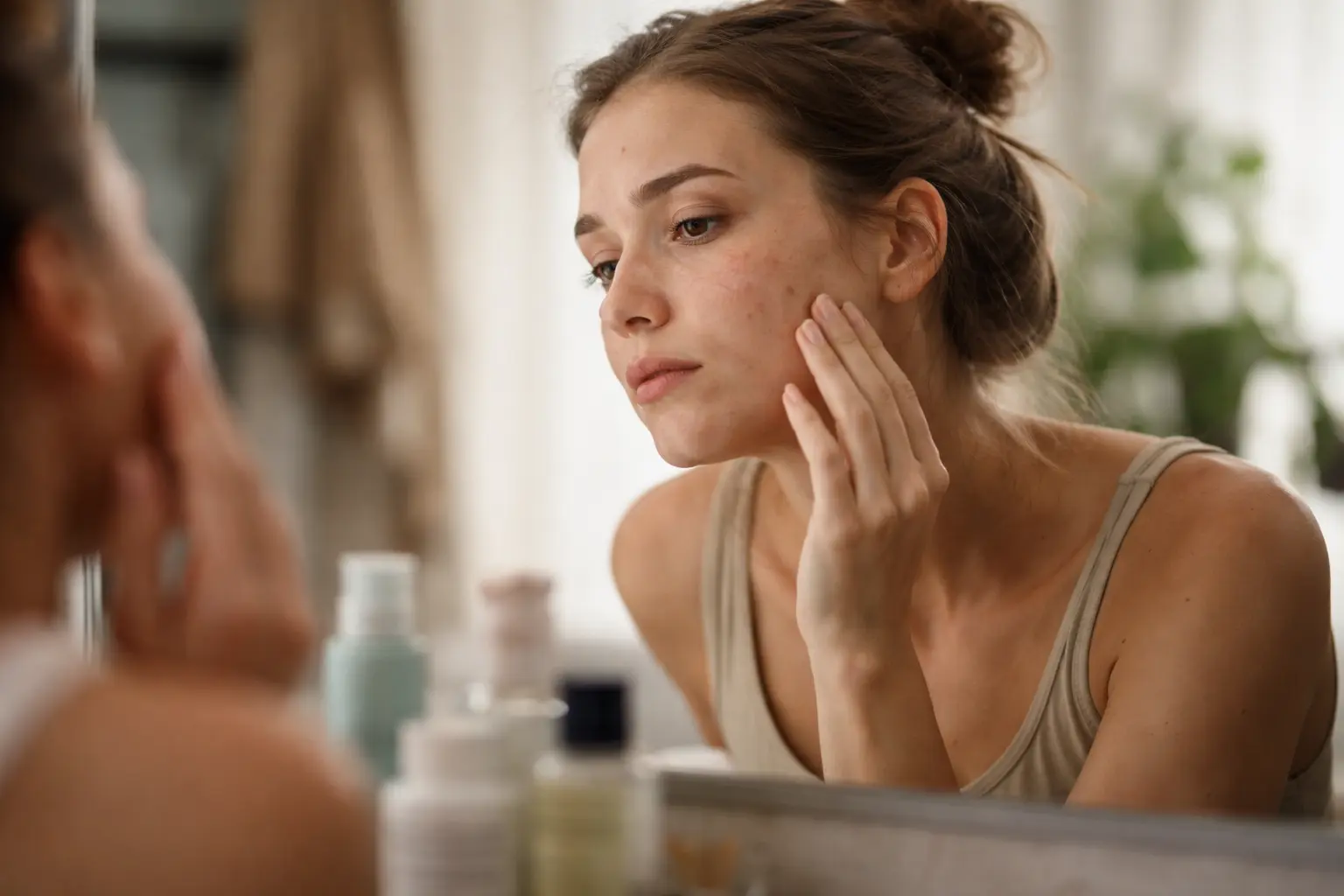
You thought acne was behind you decades ago, but here you are staring at breakouts in the mirror that feel like a cruel joke, and this acne treatment guide is going to finally explain why your skin decided to betray you now.
Senior skin and acne: understanding the connection
Picture this: you’re in your sixties or seventies, and suddenly your skin starts acting like it did in your teenage years. It’s confusing and honestly, a bit unfair. The truth is, aging skin changes in ways most people don’t talk about. Your body produces less collagen each year, which means your skin loses that plump, resilient quality it once had. Cell turnover slows down significantly, so dead skin cells don’t shed as quickly as they used to. This creates the perfect storm for acne. Those slower-moving cells pile up, trap oil underneath, and boom, you’ve got a breakout. Add to this the fact that mature skin is often drier and more sensitive, and you’re dealing with a completely different acne situation than you faced at twenty-five.
- Collagen depletion in senior skin can lead to decreased elasticity and increased susceptibility to acne.
- Slower cell turnover can result in clogged pores and the accumulation of oil, leading to acne breakouts.
- Senior skin is more sensitive and prone to dryness, making it essential to choose gentle yet effective acne treatments.
Choosing the right acne treatment for seniors
When Margaret, a sixty-eight-year-old retiree, started getting acne, she made the mistake of reaching for the same harsh benzoyl peroxide products she’d used forty years earlier. Within days, her skin was red, irritated, and peeling. That’s when she realized that what worked for younger skin can actually damage mature skin. The key is finding products specifically designed for aging skin that won’t strip away moisture or cause excessive irritation. Look for gentle cleansers that don’t leave your skin feeling tight and uncomfortable. Seek out non-comedogenic moisturizers that hydrate without clogging pores. Consider products with ingredients like niacinamide or hyaluronic acid, which support mature skin while addressing breakouts. A dermatologist can help you build a routine that’s both effective and respectful of your skin’s changing needs.
💬 Ready to feel better in 2 minutes?choose where to begin:
Natural remedies for senior acne: what works best
Many seniors find comfort in exploring natural approaches to acne. Tea tree oil has genuine antibacterial properties that can help reduce inflammation, though it should always be diluted before applying to skin. Aloe vera soothes irritated skin and provides hydration without heaviness. Witch hazel acts as a gentle astringent that can help with oily areas without over-drying. Some people swear by green tea applied topically for its antioxidant benefits. However, natural doesn’t automatically mean safe or effective for everyone. Your skin at seventy responds differently than it did at thirty, and what helped a friend might irritate your skin. Before adding anything new to your routine, especially if you’re taking medications or have sensitive skin, have a conversation with your dermatologist. They can help you identify which natural ingredients align with your specific skin condition and won’t interfere with other treatments.
Lifestyle changes for clearer skin: tips for seniors
Robert noticed his acne improved dramatically when he started taking evening walks and drinking more water. He wasn’t doing anything revolutionary, just making simple lifestyle shifts that supported his overall health. Hydration matters more as you age because your skin’s ability to retain moisture decreases naturally. Drinking adequate water helps your skin maintain elasticity and flush out toxins. A balanced diet rich in antioxidants from colorful vegetables, omega-three fatty acids from fish, and whole grains supports skin health from the inside out. Many seniors find that reducing dairy and refined sugars helps reduce breakouts. Stress management through activities like yoga, meditation, or simply spending time in nature can lower cortisol levels, which often trigger acne. Regular movement improves circulation, delivering more oxygen and nutrients to your skin. Sleep quality matters too. When you sleep well, your skin repairs itself more effectively. These aren’t quick fixes, but they create conditions where your skin can actually heal.
Understanding the unique challenges of senior skin and implementing tailored acne treatments is essential for managing breakouts effectively. By choosing the right skincare products, exploring natural remedies, and adopting healthy lifestyle habits, seniors can take proactive steps towards clearer, healthier skin.
Are over-the-counter acne products safe for seniors?
Over-the-counter acne products can be safe for seniors, but it’s crucial to select products specifically designed for mature skin. Look for gentle formulations that address aging skin concerns while targeting acne effectively.
Can diet impact senior acne?
Yes, diet can play a role in senior acne. Consuming a balanced diet rich in fruits, vegetables, and whole grains can help support skin health. Limiting dairy and sugar intake may also benefit seniors with acne-prone skin.
Others also read:
Disclaimer: This article is for informational purposes only and is not a substitute for professional medical advice. Always consult a healthcare professional for personal guidance.
This article presents an experience-based perspective and has been reviewed by the GlobalHealthBeacon editorial team in 2026. It provides structured, evidence-based information to support informed health decisions.
