Your blood pressure spikes without warning, you’re tired of guessing whether your readings are normal, and managing hypertension feels like a daily guessing game, but ai telemonitoring hypertension evidence shows there’s a smarter way to take control.
Understanding AI telemonitoring for seniors
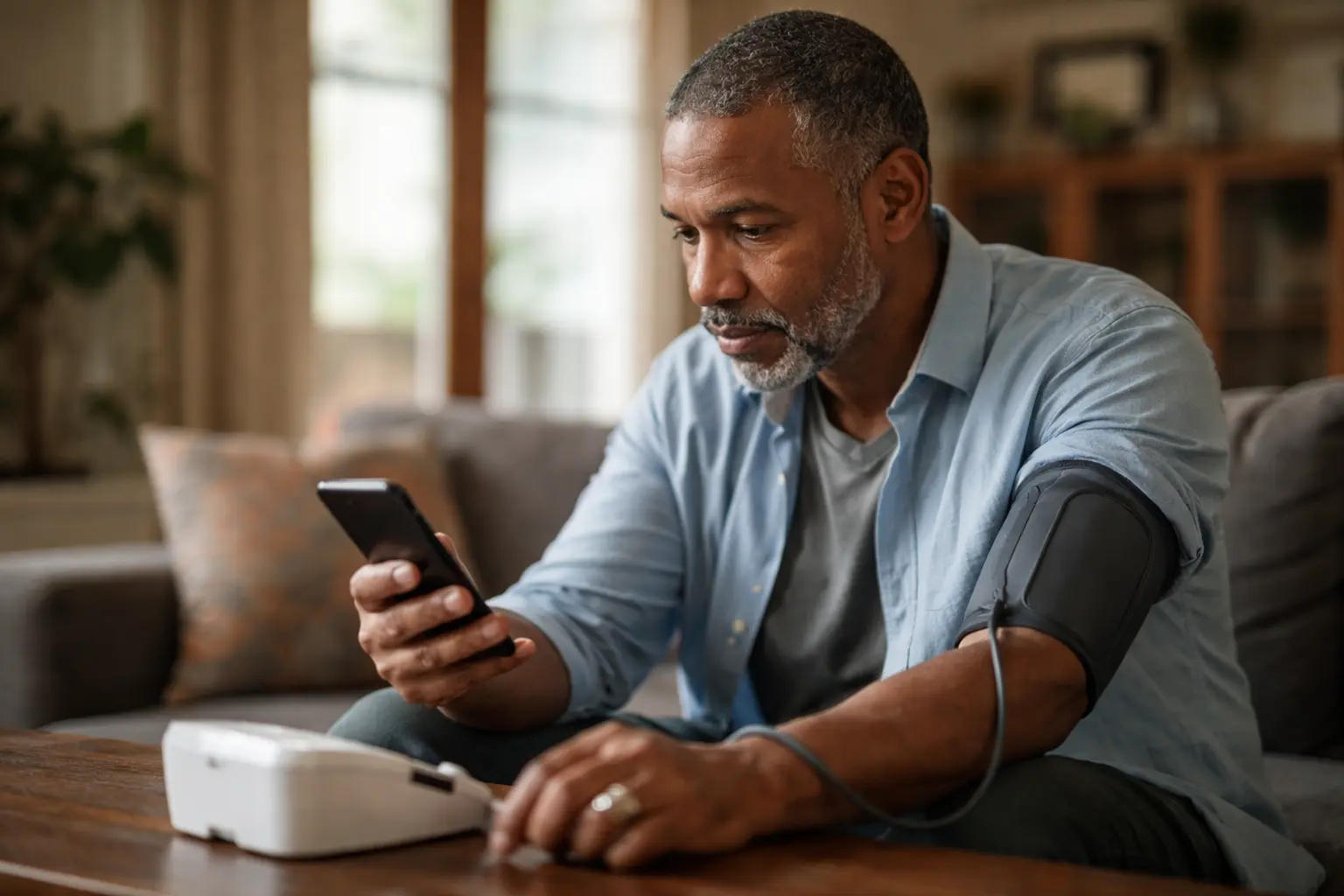
AI telemonitoring represents a significant shift in how seniors approach hypertension management. Rather than relying on occasional doctor visits or manual blood pressure checks, this technology works continuously in the background, learning your patterns and alerting you to changes. Imagine waking up and your device has already analyzed your overnight readings, compared them to your baseline, and flagged any concerning trends before you even have your morning coffee. The system uses algorithms trained on thousands of patient records to recognize what normal looks like for you specifically. For example, if your typical morning reading is 135/85 but suddenly spikes to 155/95, the AI flags this immediately instead of waiting weeks for your next appointment. The technology syncs seamlessly with your smartphone, tablet, or computer, giving you access to your complete health picture anytime. You see not just numbers but visual trends, weekly summaries, and personalized insights about what might be triggering changes in your readings.
- Receive instant feedback on your blood pressure readings
- Monitor your progress and identify patterns over time
- Get personalized recommendations for lifestyle adjustments
Benefits of AI telemonitoring for hypertension
The advantages of AI telemonitoring extend far beyond simple convenience. Early detection is perhaps the most critical benefit. Consider a scenario where a senior named Margaret uses AI telemonitoring and notices her readings creeping upward over two weeks. The system alerts her to this trend before she experiences any symptoms. She contacts her doctor with concrete data, adjusts her medication slightly, and prevents a potential hypertensive crisis. Without the technology, she might not have noticed the gradual increase until experiencing a stroke or heart attack. Accuracy is another major advantage. Clinical studies show that AI-powered devices reduce measurement errors compared to manual checking, especially important since many seniors struggle with proper cuff placement or technique. The continuous monitoring also reveals patterns that isolated office visits miss. Your doctor sees not just one reading taken in a stressful clinic environment but hundreds of readings taken in your natural daily environment. This gives a far more accurate picture of your actual blood pressure control. Additionally, the psychological benefit of feeling monitored and supported creates accountability that motivates lifestyle changes like increased walking, reduced sodium intake, and better medication adherence.
📘 Fix your day in under 2 minuteschoose where to begin:
Implementing AI telemonitoring in your daily routine
Getting started with AI telemonitoring involves several straightforward steps that most seniors can complete in under an hour. First, you purchase a validated home blood pressure monitor compatible with AI telemonitoring platforms. Your doctor can recommend specific models proven effective for your situation. Next, you unbox the device and follow the setup instructions, which typically involve downloading an app and creating a simple account. The device then pairs with your smartphone via Bluetooth. Take your first reading following the proper technique: sit quietly for five minutes, keep your feet flat on the floor, and relax your arm at heart level. The device records this reading automatically. Most systems recommend taking readings twice daily, morning and evening, at roughly the same times. You might set phone reminders for consistency. After two weeks of baseline readings, the AI begins analyzing your patterns and providing insights. For example, you might discover that stress-filled days correlate with higher readings, or that you respond well to evening walks. Some seniors print out weekly summaries to discuss with their doctor. Others share access with family members who can receive alerts if readings become concerning. The integration into daily life becomes almost invisible after the first month.
Tips for effective use of AI telemonitoring
Maximizing the benefits of AI telemonitoring requires understanding both the technology and your own health patterns. Consistency matters enormously. Taking readings at different times or in different positions produces unreliable data that confuses the AI algorithms. Establish a routine: same time each morning, same arm, same position. Many seniors find success by taking readings right after waking but before their first coffee, and again in the evening before dinner. Avoid common mistakes like checking your blood pressure multiple times in succession hoping for a lower reading, or skipping days and then taking extra readings to catch up. The AI learns best from regular, honest data. Understanding your readings is equally important. A reading of 140/90 is not automatically a crisis, but a sudden jump from your baseline warrants attention. Learn what your numbers mean in context. Some seniors become overly anxious about minor fluctuations, while others ignore genuine warning signs. Your doctor should help you understand your target range and what changes require immediate action. Keep a simple log of any unusual events, stressful situations, or medication changes alongside your readings. This context helps your doctor interpret patterns. Finally, remember that AI telemonitoring is a tool to support your care, not replace your doctor. Share your data regularly with your healthcare provider and discuss what the trends mean for your treatment plan.
Future prospects of AI telemonitoring technology
The landscape of AI telemonitoring continues evolving rapidly, with new capabilities emerging regularly. Researchers are developing AI systems that predict hypertensive episodes days in advance, allowing preventive intervention before problems occur. Integration with wearable devices like smartwatches will enable continuous monitoring without separate devices. Future systems may analyze your complete health picture, connecting blood pressure data with activity levels, sleep quality, medication adherence, and dietary patterns to provide holistic recommendations. Some developers are creating AI that learns your individual response to medications and lifestyle changes, potentially optimizing your treatment plan more precisely than current methods. Voice-activated interfaces will make systems more accessible for seniors with vision or dexterity challenges. Telemedicine integration means your AI telemonitoring data flows directly to your doctor’s office, enabling faster response to concerning trends. Privacy and security improvements will ensure your sensitive health information remains protected. As these technologies mature, the goal is shifting from simply monitoring hypertension to actively preventing complications and helping seniors maintain independence and quality of life. The seniors who adopt these tools today are helping shape the future of personalized, proactive healthcare.
AI telemonitoring transforms hypertension management for seniors by providing continuous, accurate monitoring that catches problems early and empowers informed decision-making. Understanding how the technology works, implementing it consistently into daily routines, and using the data effectively with your healthcare provider creates a powerful approach to blood pressure control. As these tools continue advancing, they offer seniors greater independence and peace of mind in managing their health.
How accurate is AI telemonitoring for tracking blood pressure?
AI telemonitoring provides highly accurate readings when using validated devices and proper measurement technique. Clinical studies show these systems reduce errors compared to manual checking, especially important for seniors who may struggle with correct cuff placement. The continuous monitoring reveals patterns that single office visits miss, giving your doctor a far more accurate picture of your actual blood pressure control throughout daily life.
Can AI telemonitoring help in preventing hypertension-related complications?
Yes, AI telemonitoring significantly aids in preventing complications by detecting gradual changes in your blood pressure patterns before you experience symptoms. Early alerts allow you to contact your doctor and adjust treatment before problems escalate to dangerous levels. The continuous data also motivates lifestyle changes and medication adherence, both critical for preventing heart attacks, strokes, and kidney damage related to uncontrolled hypertension.
Others also read:
Disclaimer: This article is for informational purposes only and is not a substitute for professional medical advice. Always consult a healthcare professional for personal guidance.
This guide has been prepared and reviewed by the GlobalHealthBeacon editorial team and reflects current medical research as of 2026. It provides structured, evidence-based information to support informed health decisions.
← Go to the ai telemonitoring hypertension evidence main guide
