You’re feeling feverish and exhausted after cleaning out a dusty storage space, and now you’re wondering if you picked up something serious – here’s everything about andes virus explained so you can stop guessing and start protecting yourself.
What is the Andes virus?
The Andes virus is a South American hantavirus that silently spreads through rodent populations across Chile, Argentina, and neighboring regions. Unlike many viruses you hear about, this one doesn’t jump between humans easily, but when it does, the consequences can be severe. The virus lives in the droppings, urine, and saliva of infected rodents, particularly the long-tailed pygmy rice rat. When you’re exposed to contaminated dust or surfaces, you inhale virus particles that can trigger hantavirus pulmonary syndrome. Think of it this way: a rodent infestation in your basement or an old cabin isn’t just a pest problem, it’s a potential health hazard. Young adults working in agriculture, cleaning abandoned spaces, or camping in rural areas face higher exposure risks. The virus doesn’t announce itself through obvious signs on contaminated areas, which makes awareness your best defense.
- Spread by rodent droppings, urine, or saliva
- Symptoms include fever, muscle aches, and fatigue
- Can lead to severe respiratory distress and even death
How does the Andes virus affect humans?
Infection happens when you breathe in aerosolized virus particles from dried rodent waste, usually in poorly ventilated indoor spaces. Picture this: you’re cleaning out your grandmother’s attic without a mask, sweeping up decades of dust and rodent droppings. Within one to five weeks, you might develop what feels like the flu. Early symptoms include fever, severe muscle and joint pain, fatigue, and headaches. Then things escalate. Your lungs start filling with fluid, you develop a cough, shortness of breath becomes noticeable, and your oxygen levels drop. This progression from mild flu-like illness to respiratory crisis can happen in days. Some people experience gastrointestinal symptoms like nausea and vomiting before respiratory problems appear. The virus doesn’t cause a rash or obvious warning signs, which is why many people delay seeking medical care. Young adults often dismiss early symptoms as a regular cold, not realizing their lungs are already under attack.
📘 Fix your day in under 2 minuteschoose where to begin:
Prevention and control measures
Your best strategy is avoiding rodent contact altogether, but that requires practical steps. If you live in a rural area or work with older buildings, seal cracks and gaps where rodents enter, store food in airtight containers, and eliminate clutter where rodents nest. When you must clean contaminated areas, use a respirator mask rated N95 or higher, not just a cloth mask. Spray the area with disinfectant first to kill airborne particles before sweeping. Wear gloves and eye protection, and never use a vacuum or compressed air, which spreads particles further. Ventilate the space thoroughly during and after cleaning. If you’re camping or staying in cabins, inspect for rodent signs like droppings or nests before settling in. Keep food sealed and away from sleeping areas. In your home, regular cleaning with proper ventilation reduces risk significantly. These aren’t extreme precautions, they’re practical habits that eliminate the specific transmission route this virus uses.
Diagnosis and treatment
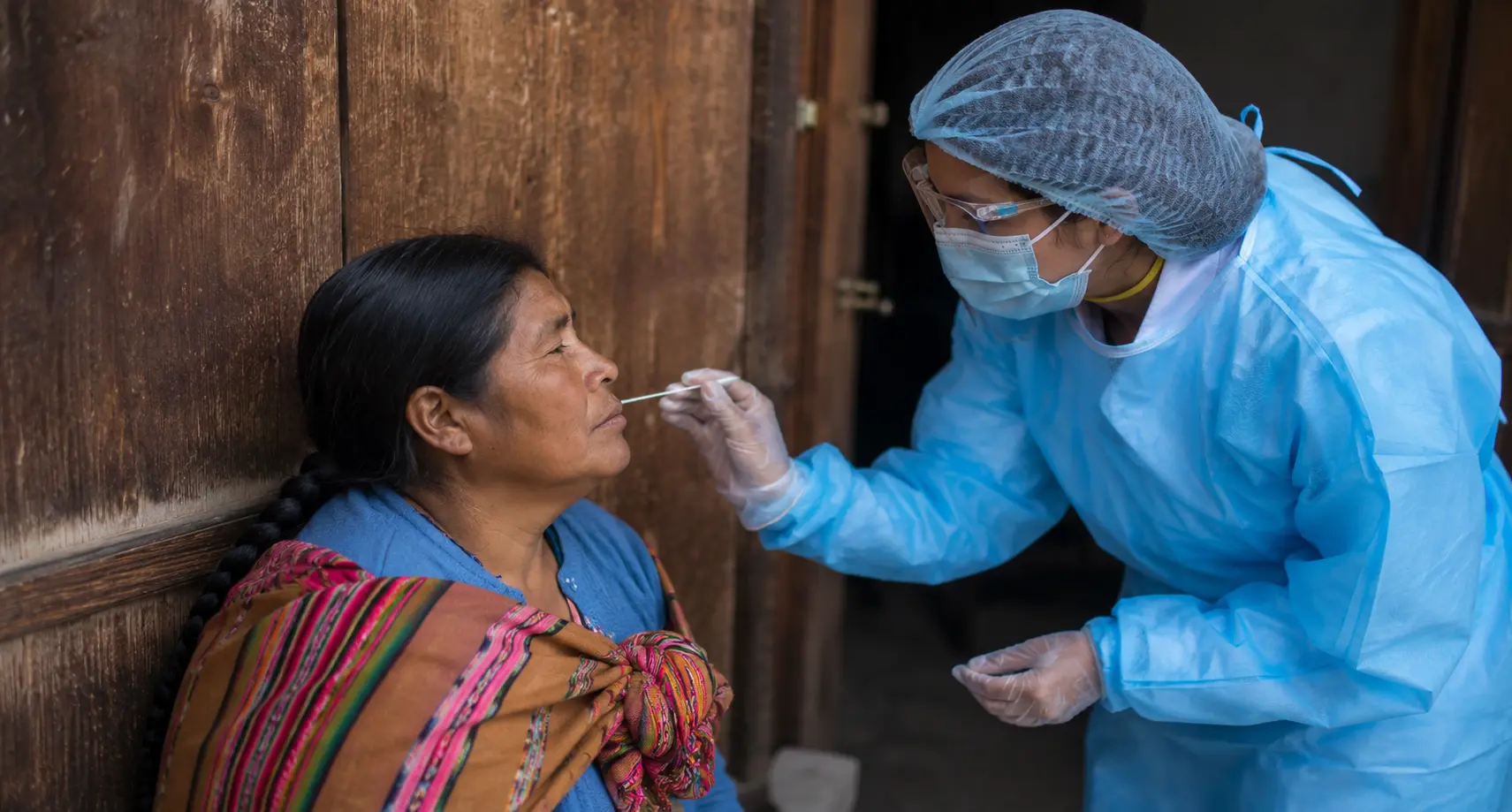
Getting diagnosed early makes a real difference in outcomes. If you’ve had potential rodent exposure and develop fever with respiratory symptoms, tell your doctor immediately. They’ll order blood tests looking for Andes virus antibodies or PCR testing to detect viral RNA. There’s no specific antiviral medication that kills the virus, so treatment focuses on supporting your body while it fights back. This means oxygen therapy to maintain blood oxygen levels, intravenous fluids to prevent dehydration, and sometimes mechanical ventilation if your lungs fail. Hospitalization is almost always necessary because the condition deteriorates quickly. Supportive care in an intensive care unit gives you the best chance of survival. Recovery takes weeks and can involve lingering fatigue even after discharge. The key is recognizing symptoms early and getting to a hospital before your oxygen levels crash. Don’t wait out respiratory symptoms if you’ve had rodent exposure. Early medical intervention literally saves lives.
Risks and outlook
The mortality rate for Andes virus infection ranges from 30 to 40 percent, which sounds alarming but context matters. Your actual risk depends entirely on your exposure. If you live in an urban apartment with no rodents and no travel to endemic areas, your risk is essentially zero. If you work in agriculture in South America, clean old buildings regularly, or frequently camp in rural areas, your risk is measurable but manageable through precautions. Young adults in developed countries face minimal risk because cases are rare outside South America. The outlook improves dramatically with early recognition and prompt hospitalization. People who reach medical care before severe respiratory failure occurs have significantly better survival rates. Being aware of transmission routes means you can avoid them. Knowing symptoms means you’ll seek help immediately rather than waiting. Staying informed isn’t about living in fear, it’s about making smart choices that keep you safe.
The Andes virus, a member of the hantavirus family, poses a risk of severe respiratory illness when transmitted to humans through infected rodents. Understanding its transmission, symptoms, prevention measures, and treatment options are key to safeguarding your health.
How is the Andes virus transmitted to humans?
The Andes virus is primarily spread through contact with rodent excreta, urine, or saliva. Inhaling virus particles from contaminated areas poses the greatest risk of infection.
What are the common symptoms of Andes virus infection?
Symptoms of Andes virus infection include fever, muscle pain, fatigue, and respiratory difficulties. Prompt medical attention is essential if you experience these signs.
Disclaimer: This article is for informational purposes only and is not a substitute for professional medical advice. Always consult a healthcare professional for personal guidance.
This guide has been prepared and reviewed by the GlobalHealthBeacon editorial team and reflects current medical research as of 2026. It provides structured, evidence-based information to support informed health decisions.

