You wake up with a fever that won’t quit, your muscles ache like you’ve been hit by a truck, and you can’t shake this creeping dread that something serious is happening – this is what andes virus explained means for people in South America who’ve had close contact with infected rodents, and understanding how it spreads and what it does to your body could literally save your life.
Understanding andes virus transmission
Andes Virus spreads primarily through contact with infected rodents, particularly the long-tailed pygmy rice rat (Oligoryzomys longicaudatus) found throughout South America. When these rodents shed the virus in their saliva, urine, or feces, humans can become infected by inhaling contaminated dust particles or through direct contact with infected materials. Picture a farmer cleaning out a grain storage area without proper protection, breathing in dust from rodent droppings – this is a common real-world scenario where transmission occurs. What makes Andes Virus particularly concerning is its ability to spread person-to-person through direct contact with bodily fluids or respiratory droplets from an infected individual. Healthcare workers and family members caring for patients have contracted the virus through exposure to blood, saliva, or respiratory secretions. This dual transmission pathway means prevention requires vigilance both in avoiding rodent contact and in practicing strict hygiene when around infected individuals.
Symptoms and diagnosis of andes virus
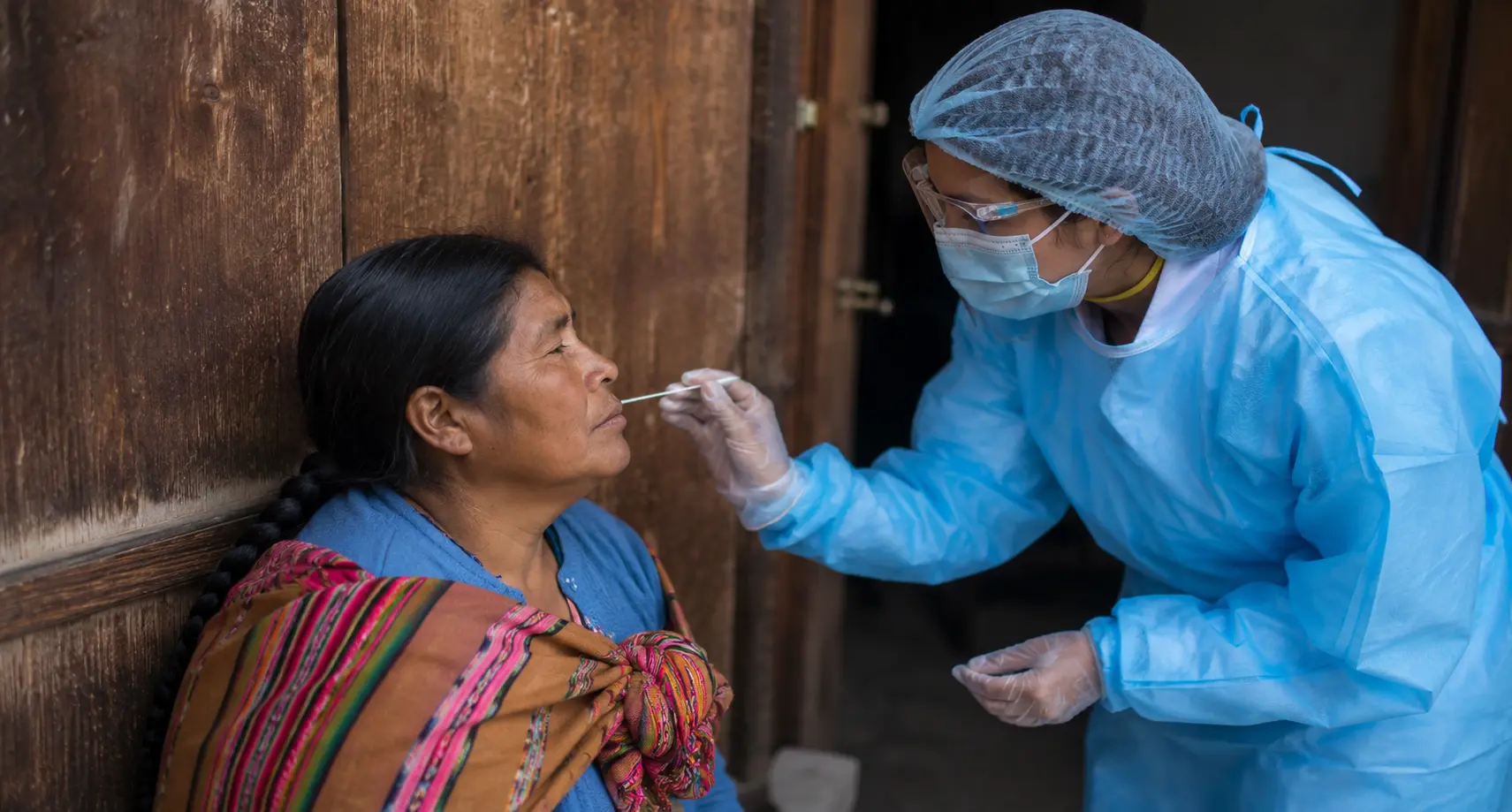
Initial symptoms of Andes Virus infection typically emerge between one to four weeks after exposure and resemble common flu-like illness. Infected individuals experience fever, severe headaches, muscle and joint pain, and profound fatigue that can make even simple daily tasks feel overwhelming. As the infection progresses in severe cases, patients may develop respiratory distress, rapid breathing, and cardiovascular complications including low blood pressure and shock. Some individuals experience neurological symptoms such as confusion or dizziness. Diagnosis requires laboratory confirmation through polymerase chain reaction (PCR) testing, which detects viral genetic material in blood samples, or serology tests that identify antibodies the immune system has produced against the virus. A typical diagnostic scenario involves a patient presenting to their doctor with persistent fever and muscle pain after recent rodent exposure. The physician orders blood tests, which are sent to a specialized laboratory. Results typically return within days, confirming or ruling out Andes Virus infection and guiding treatment decisions.
Treatment and management of andes virus
Currently, no specific antiviral medication targets Andes Virus directly, so medical management focuses entirely on supportive care to help the body fight the infection naturally. Treatment involves managing fever with appropriate medications, maintaining proper hydration, and ensuring adequate rest to support immune function. Hospitalization becomes necessary for moderate to severe cases, where patients receive continuous monitoring of vital signs, oxygen therapy if breathing becomes difficult, and intravenous fluids to maintain electrolyte balance and prevent organ damage. A typical hospital scenario involves a patient admitted with respiratory distress receiving oxygen support while medical staff monitor heart rate, blood pressure, and oxygen saturation around the clock. Prevention remains the most effective strategy, requiring individuals to avoid contact with rodents, seal cracks in homes where rodents might enter, and maintain clean living spaces. When handling potentially contaminated materials, wearing gloves and masks provides essential protection. Common mistakes include underestimating the virus’s severity, delaying medical care when symptoms worsen, or failing to inform healthcare providers about rodent exposure.
- Seek medical attention immediately if you develop fever, severe headache, and muscle pain, especially after rodent exposure.
- Follow your healthcare provider’s recommendations for symptom management and hospitalization if recommended.
- Stay informed about Andes Virus updates and protocols in your region through official health authority channels.
🔬 Science-backed benefits in 2 minuteschoose where to begin:
Andes virus research and vaccines
Scientific research into Andes Virus continues globally as researchers work to understand its mechanisms and develop preventive strategies. Virologists study how the virus enters human cells, replicates, and triggers the immune response that causes severe symptoms. This foundational knowledge informs vaccine development efforts. Currently, no commercially available vaccine exists for Andes Virus, but experimental vaccines have demonstrated promising results in animal models, showing the ability to generate protective immune responses. Research institutions in Argentina, Chile, and international collaborating centers conduct ongoing studies to advance vaccine candidates toward human trials. The development timeline for a new vaccine typically spans many years, involving laboratory testing, animal studies, and eventually human clinical trials to ensure safety and effectiveness. Researchers also investigate why some infected individuals develop severe disease while others experience milder symptoms, potentially identifying genetic or immunological factors that influence disease severity.
Protective measures for andes virus
Reducing Andes Virus infection risk requires a multi-layered approach combining environmental control and personal hygiene practices. Individuals living in endemic areas should eliminate rodent access to homes by sealing cracks and gaps in walls, storing food in rodent-proof containers, and removing potential nesting materials. When cleaning areas where rodents may have been present, wearing gloves and masks prevents inhalation of contaminated dust. A practical example involves a homeowner in rural Argentina discovering rodent droppings in their attic. Rather than cleaning with bare hands, they wear protective equipment, dampen the area to reduce dust, and carefully dispose of contaminated materials in sealed bags. Hand hygiene becomes critical after any potential rodent contact, requiring thorough washing with soap and water. Avoiding direct contact with live or dead rodents eliminates a major transmission route. For those working in agriculture or pest control, specialized training on safe handling procedures and appropriate protective equipment provides essential protection against occupational exposure.
Global impact of andes virus
Andes Virus primarily affects populations in South America, with documented cases concentrated in Argentina and Chile, though sporadic cases have appeared in other countries. The virus emerged as a recognized human pathogen in the 1990s when an outbreak occurred in southern Argentina, affecting multiple individuals in a rural community. Since then, health authorities have documented periodic outbreaks, particularly during years with increased rodent populations. Public health agencies in affected countries conduct surveillance to track cases, investigate outbreaks, and implement control measures. International collaboration between research institutions and health organizations facilitates knowledge sharing and coordinated response strategies. Community education programs inform residents about rodent avoidance and early symptom recognition. Healthcare workers receive training on infection control procedures to prevent nosocomial transmission. While Andes Virus remains relatively rare compared to other infectious diseases, its high mortality rate in severe cases makes prevention and early detection crucial public health priorities.
Andes Virus is transmitted to humans through contact with infected rodents or from person-to-person through bodily fluid exposure. The infection causes flu-like symptoms that can progress to severe respiratory and cardiovascular complications. No specific antiviral treatment exists, making supportive care and prevention through rodent avoidance and hygiene practices essential for managing this serious infection.
Can Andes Virus be transmitted from person to person?
Yes, Andes Virus can spread between people through direct contact with bodily fluids, blood, or respiratory droplets from an infected individual. This transmission route is particularly relevant for healthcare workers and family members providing care to infected patients, making infection control practices essential.
Is there a vaccine available for Andes Virus?
Currently, no commercial vaccine for Andes Virus is available for public use. However, researchers continue developing experimental vaccines that have shown promise in animal studies. Ongoing clinical research may eventually lead to a preventive vaccine, but this process typically requires several more years of testing and regulatory approval.
Others also read:
Disclaimer: This article is for informational purposes only and is not a substitute for professional medical advice. Always consult a healthcare professional for personal guidance.
This article has been prepared and reviewed by the GlobalHealthBeacon editorial team and is based on current medical research and published scientific literature available in 2026. It provides structured, evidence-based information to support informed health decisions.

