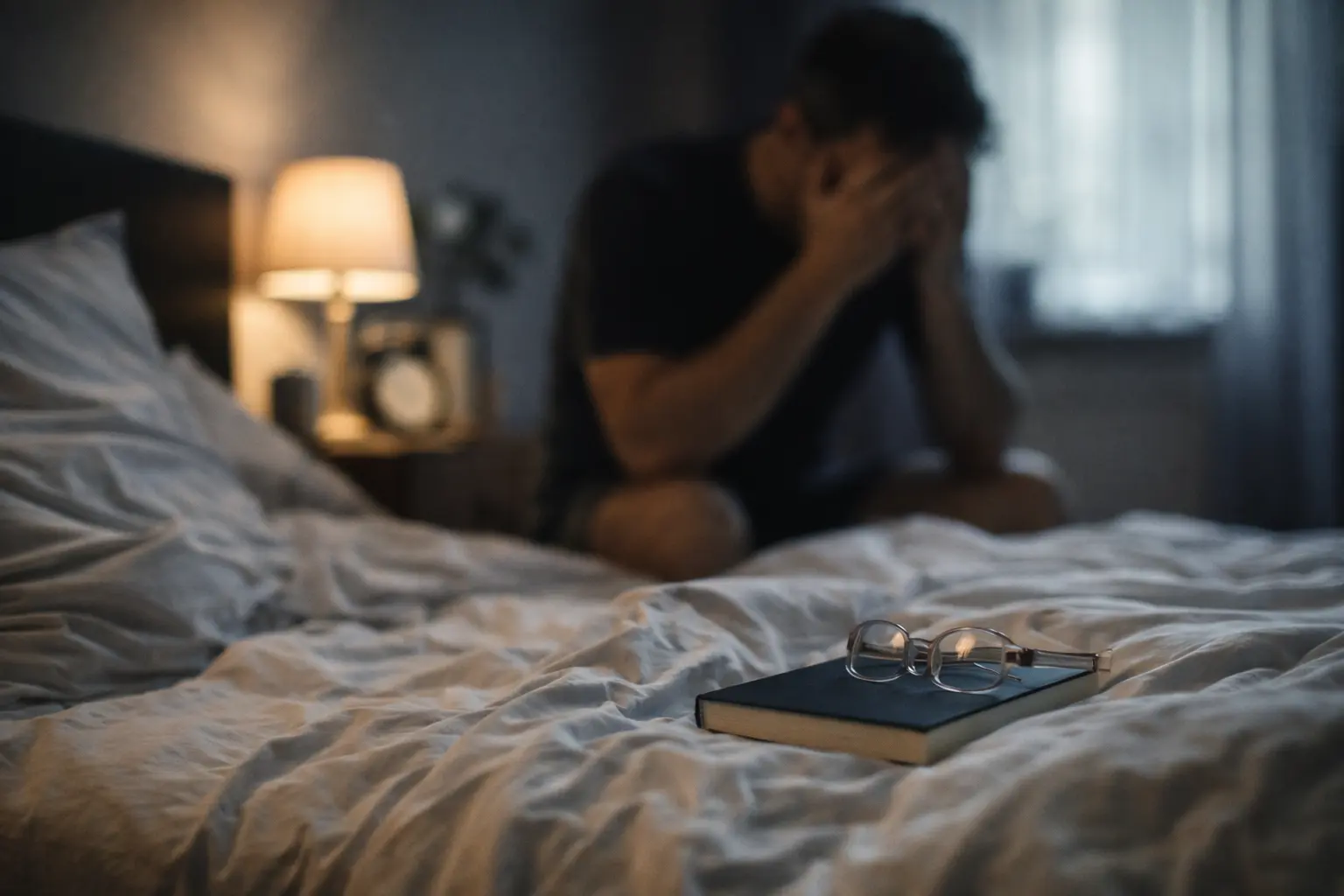
Your heart races for no reason, your mind won’t stop spinning with what-ifs, and you feel like you’re drowning in worry while everyone else seems fine – anxiety disorder symptoms explained here so you finally understand what’s actually happening in your brain and body.
The science behind anxiety disorders
Anxiety disorders emerge from complex interactions within the brain’s neural circuitry, particularly involving structures like the amygdala, hippocampus, and prefrontal cortex. When these regions communicate inefficiently, the brain’s threat-detection system becomes overactive, triggering fear responses even when no real danger exists. Think of it like a smoke detector so sensitive it goes off when you’re just cooking dinner. Research consistently shows that women experience anxiety disorders at roughly twice the rate of men, a pattern observed across cultures and age groups. Scientists are investigating whether this difference stems from hormonal fluctuations, genetic predisposition, differences in brain chemistry, or how society shapes emotional expression in women. The neurotransmitters serotonin, gamma-aminobutyric acid (GABA), and norepinephrine play crucial roles in regulating anxiety responses. When these chemical messengers fall out of balance, the brain struggles to downregulate fear and worry. Understanding this biological foundation helps explain why anxiety feels so real and physical, even when the threat is imaginary.
Common symptoms of anxiety disorders in women
Anxiety manifests differently in each person, but women commonly report a constellation of symptoms that can feel overwhelming and unpredictable. Excessive worry is perhaps the hallmark feature, where anxious thoughts loop endlessly about health, relationships, finances, or work performance. Physical symptoms often accompany the mental experience: a racing or pounding heart, shallow breathing, muscle tension particularly in the neck and shoulders, trembling, and profuse sweating even in cool environments. Many women describe a persistent sense of restlessness, as if their body is perpetually braced for danger. Concentration becomes nearly impossible when anxiety takes hold, making work or reading feel like wading through fog. Sleep disturbances are common, whether difficulty falling asleep due to racing thoughts or waking at 3 AM with a surge of panic. Some women experience gastrointestinal symptoms like nausea or stomach discomfort. These symptoms can cluster together during anxiety episodes or persist as a low-level hum throughout the day, gradually eroding quality of life and limiting activities that once brought joy.
Diagnosing anxiety disorders
Diagnosis requires a comprehensive evaluation that goes beyond simply listing symptoms. A mental health professional will conduct a detailed interview exploring when anxiety started, what triggers it, how it affects daily functioning, and whether other family members have experienced anxiety or depression. They’ll ask about your medical history, current medications, caffeine intake, and substance use, since physical conditions like thyroid disorders or stimulant use can mimic anxiety. A physical examination may include checking vital signs and sometimes blood work to rule out medical causes. The clinician uses diagnostic criteria from the DSM-5 to determine whether your symptoms meet the threshold for generalized anxiety disorder, social anxiety disorder, panic disorder, or another anxiety condition. This distinction matters because different diagnoses respond to different treatments. The assessment also evaluates how anxiety impacts your work, relationships, and self-care. Some providers use standardized questionnaires like the Generalized Anxiety Disorder scale to measure symptom severity. This thorough process ensures you receive an accurate diagnosis and a treatment plan tailored specifically to your needs rather than a one-size-fits-all approach.
- Seek evaluation from a mental health provider such as a psychiatrist, psychologist, or licensed counselor.
- Discuss your symptoms, when they started, what triggers them, and how they affect your daily life and relationships.
- Explore treatment options including therapy modalities like cognitive-behavioral therapy, medication, lifestyle modifications, and self-care strategies.
🔬 Science-backed benefits in 2 minuteschoose where to begin:
Treatment options for women with anxiety disorders
Evidence-based treatments for anxiety disorders typically combine multiple approaches tailored to individual needs and preferences. Cognitive-behavioral therapy (CBT) stands as one of the most researched and effective options, teaching you to identify anxious thought patterns and gradually challenge them with evidence-based thinking. Through CBT, a woman might learn that her catastrophic prediction about a work presentation rarely matches reality, and practice replacing that thought with a more balanced perspective. Medication options include selective serotonin reuptake inhibitors (SSRIs) like sertraline or paroxetine, which help balance brain chemistry and reduce anxiety intensity. Some women benefit from combining therapy and medication, while others find therapy alone sufficient. Other therapeutic approaches include acceptance and commitment therapy, which teaches you to coexist with anxious thoughts rather than fight them, and exposure therapy for specific phobias or social anxiety. Lifestyle interventions like regular exercise, which reduces anxiety as effectively as some medications, complement professional treatment. Your healthcare provider will discuss the pros and cons of each option, considering your symptom severity, medical history, and personal preferences. Treatment often requires patience, as improvements typically emerge gradually over weeks or months rather than immediately.
Lifestyle strategies for managing anxiety
Daily habits profoundly influence anxiety levels, offering practical tools you can implement immediately alongside professional treatment. Regular physical activity, even a 20-minute walk, activates the parasympathetic nervous system and reduces cortisol, your body’s primary stress hormone. Mindfulness practices like meditation or body scans teach your brain to notice anxious thoughts without getting swept away by them, creating psychological distance from worry. Sleep quality directly affects anxiety, so establishing a consistent bedtime routine, limiting screens an hour before bed, and keeping your bedroom cool and dark become essential. Nutrition matters too: excessive caffeine can amplify anxiety symptoms, while omega-3 fatty acids and magnesium-rich foods support nervous system function. Deep breathing exercises, particularly techniques like box breathing where you inhale for four counts, hold for four, exhale for four, and hold for four, activate your body’s relaxation response within minutes. Building genuine connections with trusted friends or family provides emotional support and reminds you that you’re not alone in your struggle. Setting boundaries at work and in relationships prevents anxiety from accumulating. Limiting news consumption and social media, which can fuel worry spirals, protects your mental space. These strategies work best when practiced consistently rather than only during crisis moments.
Research on gender differences in anxiety disorders
The higher prevalence of anxiety disorders in women results from an intricate interplay of biological, psychological, and sociocultural factors that researchers continue to unravel. Hormonal fluctuations across the menstrual cycle, pregnancy, and menopause influence anxiety vulnerability, with some women experiencing symptom spikes during specific phases. Genetically, women may inherit a predisposition toward anxiety more readily than men, though genes alone don’t determine outcomes. Brain imaging studies reveal that women’s brains show different activation patterns in regions associated with emotional processing and threat detection compared to men. Psychologically, women are socialized to be more attuned to others’ emotions and social dynamics, which can amplify worry about relationships and social acceptance. Sociocultural factors play a substantial role: women often navigate multiple competing demands as caregivers, professionals, and community members, creating chronic stress. Discrimination, harassment, and safety concerns unique to women’s experiences contribute to anxiety burden. Additionally, anxiety in women is sometimes overlooked or misdiagnosed as depression or hormonal issues, delaying appropriate treatment. Understanding these multifaceted contributors helps clinicians and researchers develop interventions that address women’s specific needs rather than applying male-centered models. This research validates that women’s anxiety is not weakness or oversensitivity but a complex response to real biological and social factors.
Women experience anxiety disorders at significantly higher rates than men, influenced by biological, psychological, and sociocultural factors. Recognizing symptoms like excessive worry, physical restlessness, and concentration difficulties is the first step toward seeking professional evaluation. Treatment options including therapy, medication, and lifestyle modifications offer effective pathways to managing anxiety and reclaiming quality of life.
What are the most common anxiety disorder symptoms in women?
Common symptoms include excessive worry that feels difficult to control, physical manifestations like rapid heartbeat, trembling, and sweating, persistent restlessness and tension, difficulty concentrating or remembering things, sleep disturbances, and sometimes gastrointestinal discomfort. Symptoms can appear suddenly during anxiety episodes or persist as a constant low-level hum throughout the day.
How can women manage anxiety disorders effectively?
Effective management combines professional support with daily practices. Seek evaluation from a mental health provider to determine the best treatment approach, which may include cognitive-behavioral therapy, medication, or both. Incorporate stress-reducing activities like regular exercise, mindfulness meditation, and adequate sleep. Build a strong support network of trusted friends and family. Practice deep breathing techniques during anxious moments. Limit caffeine and maintain balanced nutrition. Set healthy boundaries at work and in relationships. Consistency with these strategies, rather than using them only during crises, produces the best results.
Others also read:
Disclaimer: This article is for informational purposes only and is not a substitute for professional medical advice. Always consult a healthcare professional for personal guidance.
This article has been prepared and reviewed by the GlobalHealthBeacon editorial team and is based on current medical research and published scientific literature available in 2026. It provides structured, evidence-based information to support informed health decisions.
← Back to the Main page on: anxiety disorder symptoms explained
