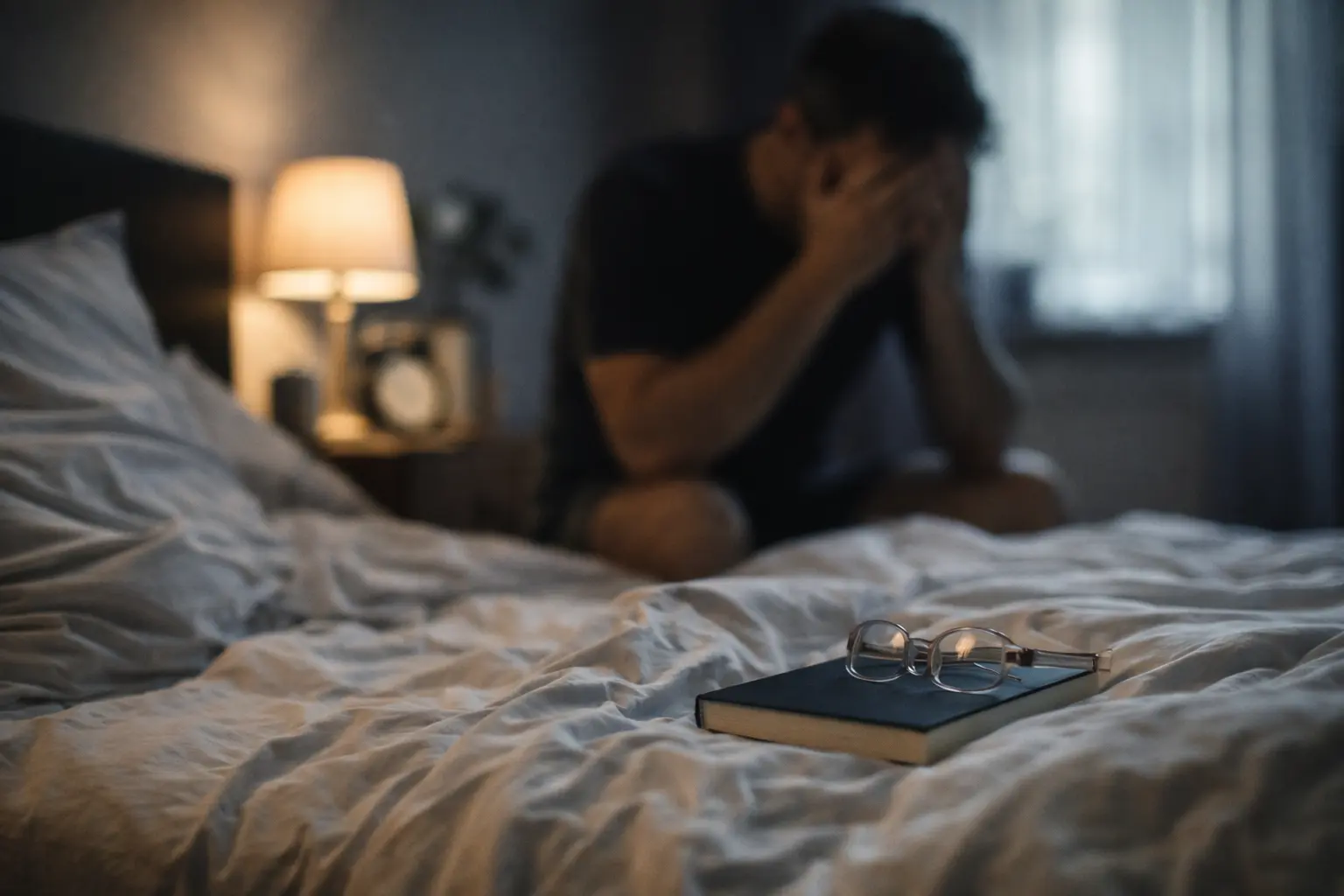
Your heart races without warning, your thoughts spiral into worst-case scenarios, and you can’t shake the feeling that something terrible is about to happen, even when logically you know it won’t, and anxiety disorder symptoms explained here will finally help you understand what’s actually happening inside your body and brain.
Biological underpinnings of anxiety disorders
Anxiety disorders emerge from a complex dance between genetics, life experiences, and how your brain is wired. At the center of this is the amygdala, a small almond-shaped structure deep in your brain that acts as your internal alarm system. In people with anxiety disorders, this alarm becomes hypersensitive, triggering exaggerated fear responses to situations that most people navigate without distress. Imagine your amygdala as a smoke detector that goes off when you’re just making toast. Your nervous system then floods your body with stress hormones like cortisol and adrenaline, preparing you for danger that isn’t actually there. This happens because the communication between your amygdala and your prefrontal cortex, the rational thinking part of your brain, becomes disrupted. Women are roughly twice as likely to experience anxiety disorders as men, partly due to hormonal fluctuations throughout the menstrual cycle, pregnancy, and menopause. Understanding this biological reality helps explain why anxiety feels so physically real and overwhelming, even when you logically know there’s no immediate threat.
Types and variations of anxiety disorders
Anxiety doesn’t present as a one-size-fits-all condition. Generalized anxiety disorder involves persistent, excessive worry about everyday matters that lasts for months, making it hard to relax or focus. Panic disorder brings sudden, intense episodes of terror accompanied by physical symptoms like chest pain and shortness of breath, often leaving sufferers terrified of the next attack. Social anxiety disorder makes social situations feel unbearably threatening, with women often describing intense fear of judgment or embarrassment in public settings. Specific phobias create paralyzing fear around particular objects or situations, whether that’s flying, heights, or medical procedures. Agoraphobia involves anxiety about being in places where escape feels difficult, sometimes leading people to avoid leaving home entirely. Post-traumatic stress disorder develops after experiencing or witnessing trauma, with intrusive memories and hypervigilance becoming constant companions. Each type has its own signature pattern of symptoms and triggers, which is why two women with anxiety disorders might experience completely different day-to-day challenges. Recognizing which type resonates with your experience is an important first step toward finding effective support.
Symptoms and diagnostic criteria for anxiety disorders
Anxiety manifests differently in different bodies, but common physical signals include a racing or pounding heart, trembling, sweating, and that distinctive tight feeling in your chest or throat. Many women report muscle tension, especially in the neck and shoulders, along with digestive issues that seem to appear out of nowhere. Mentally, you might experience racing thoughts, difficulty concentrating, irritability that surprises you, and an overwhelming sense of dread. Sleep becomes elusive, and you find yourself replaying conversations or imagining catastrophic scenarios. The Diagnostic and Statistical Manual of Mental Disorders, or DSM-5, provides specific criteria that mental health professionals use to distinguish anxiety disorders from normal stress. Generally, symptoms must persist for at least several weeks, cause significant distress, and interfere with work, relationships, or daily functioning. A professional evaluation considers the duration, intensity, and impact of your symptoms, not just whether you feel worried sometimes. This is why self-diagnosis is tricky, even when you recognize yourself in descriptions online. A proper assessment looks at your complete picture, including medical history, medication side effects, and whether other conditions might be contributing.
- Schedule an appointment with a mental health professional such as a therapist, psychologist, or psychiatrist who has experience with anxiety disorders in women.
- Prepare to discuss your symptoms openly, including when they started, what triggers them, how they affect your daily life, and any family history of anxiety or mental health conditions.
- Work collaboratively with your provider to explore treatment options tailored to your specific type of anxiety, which may include therapy, medication, lifestyle changes, or a combination approach.
🔬 Science-backed benefits in 2 minuteschoose where to begin:
Impact of anxiety disorders on daily life
Living with untreated anxiety disorder is like trying to navigate life with an overactive alarm system constantly blaring in the background. Work becomes harder when you’re struggling to concentrate or when social anxiety makes meetings feel like performances where everyone is judging you. Relationships suffer when anxiety makes you irritable, withdrawn, or overly dependent on reassurance from loved ones. Some women describe avoiding situations entirely, whether that’s declining promotions, skipping social events, or avoiding medical appointments because the anxiety feels unbearable. The physical toll accumulates too, with chronic stress contributing to headaches, digestive problems, weakened immune function, and sleep deprivation that compounds everything else. Over time, untreated anxiety can lead to depression, substance use as a coping mechanism, or complete social isolation. Many women report that anxiety steals their sense of spontaneity and joy, making them feel trapped in a smaller and smaller world. The financial impact matters too, from missed work opportunities to healthcare costs. Yet here’s what’s important to know: this impact is not inevitable or permanent. With proper treatment and support, women consistently report reclaiming their lives, their relationships, and their sense of possibility.
Treatment approaches for anxiety disorders
Effective treatment for anxiety disorders typically involves a combination of approaches tailored to your specific needs and preferences. Cognitive-behavioral therapy, or CBT, is one of the most well-researched options, helping you identify thought patterns that fuel anxiety and gradually change how you respond to anxious thoughts. Exposure therapy works by carefully and gradually facing situations or thoughts that trigger anxiety, allowing your nervous system to learn that the feared outcome doesn’t actually happen. Medication, such as selective serotonin reuptake inhibitors, can help regulate the brain chemistry involved in anxiety, though it works best when combined with therapy rather than used alone. Many women find that lifestyle modifications make a significant difference: regular physical activity reduces anxiety symptoms, consistent sleep schedules stabilize mood, and reducing caffeine and alcohol helps calm an overactive nervous system. Mindfulness-based approaches teach you to observe anxious thoughts without judgment, creating distance between you and the anxiety. Some women benefit from acceptance and commitment therapy, which focuses on living according to your values even while anxiety is present. The key is working with a healthcare provider to develop a personalized plan that addresses your unique situation, preferences, and any other health conditions you might have.
Support and resources for managing anxiety
Managing anxiety effectively rarely happens in isolation. Building a support network of trusted friends, family members, or support groups creates a safety net where you feel understood and less alone. Many communities offer peer support groups specifically for anxiety disorders, where women share experiences and practical strategies that actually work in real life. Mindfulness practices, whether through meditation apps, yoga classes, or simple breathing exercises, help calm your nervous system when anxiety rises. Regular physical activity, from walking to swimming to dancing, reduces anxiety symptoms by burning off stress hormones and releasing mood-boosting endorphins. Journaling helps you process anxious thoughts and track patterns in what triggers your anxiety. Setting boundaries around news consumption and social media, which often fuel anxiety, protects your mental health. Some women find that creative outlets like art, music, or writing provide relief and expression. Professional therapy combined with these self-care practices creates a comprehensive approach that addresses anxiety from multiple angles. The goal isn’t to eliminate anxiety entirely, but to build skills and support systems that help you live fully despite it.
Anxiety disorders in women stem from a complex interplay of biological, genetic, and environmental factors that create real, measurable changes in how your brain and body function. Understanding the different types of anxiety, recognizing your own symptoms, and seeking professional evaluation are crucial first steps toward reclaiming your life. Treatment options ranging from therapy to medication to lifestyle changes have strong evidence supporting their effectiveness. Building a support system and incorporating self-care practices creates a foundation for long-term management. With proper care and commitment, women consistently find that anxiety becomes manageable, and life becomes expansive again.
Can anxiety disorders be cured completely?
Anxiety disorders respond very well to treatment, and many women experience significant improvement or even remission of symptoms with proper care. Rather than thinking of cure, it’s more accurate to say that anxiety can be effectively managed so that it no longer controls your life. With therapy, medication, and lifestyle changes, you develop skills and resilience that allow you to handle anxiety when it arises. Some people find their anxiety diminishes substantially over time, while others learn to live confidently alongside occasional anxiety. The key is consistent treatment and ongoing self-care.
Are there effective self-help techniques for managing anxiety?
Yes, self-help techniques can be powerful tools, especially when combined with professional treatment. Breathing exercises, progressive muscle relaxation, and grounding techniques help calm your nervous system during anxious moments. Regular exercise, consistent sleep, limiting caffeine, and practicing mindfulness all reduce baseline anxiety levels. Journaling, creative expression, and time in nature provide relief and perspective. Support groups connect you with others who truly understand. However, self-help works best as a complement to professional care rather than a replacement for it, particularly for moderate to severe anxiety.
Others also read:
Disclaimer: This article is for informational purposes only and is not a substitute for professional medical advice. Always consult a healthcare professional for personal guidance.
This article has been prepared and reviewed by the GlobalHealthBeacon editorial team and is based on current medical research and published scientific literature available in 2026. It provides structured, evidence-based information to support informed health decisions.
← Back to the Main page on: anxiety disorder symptoms explained
