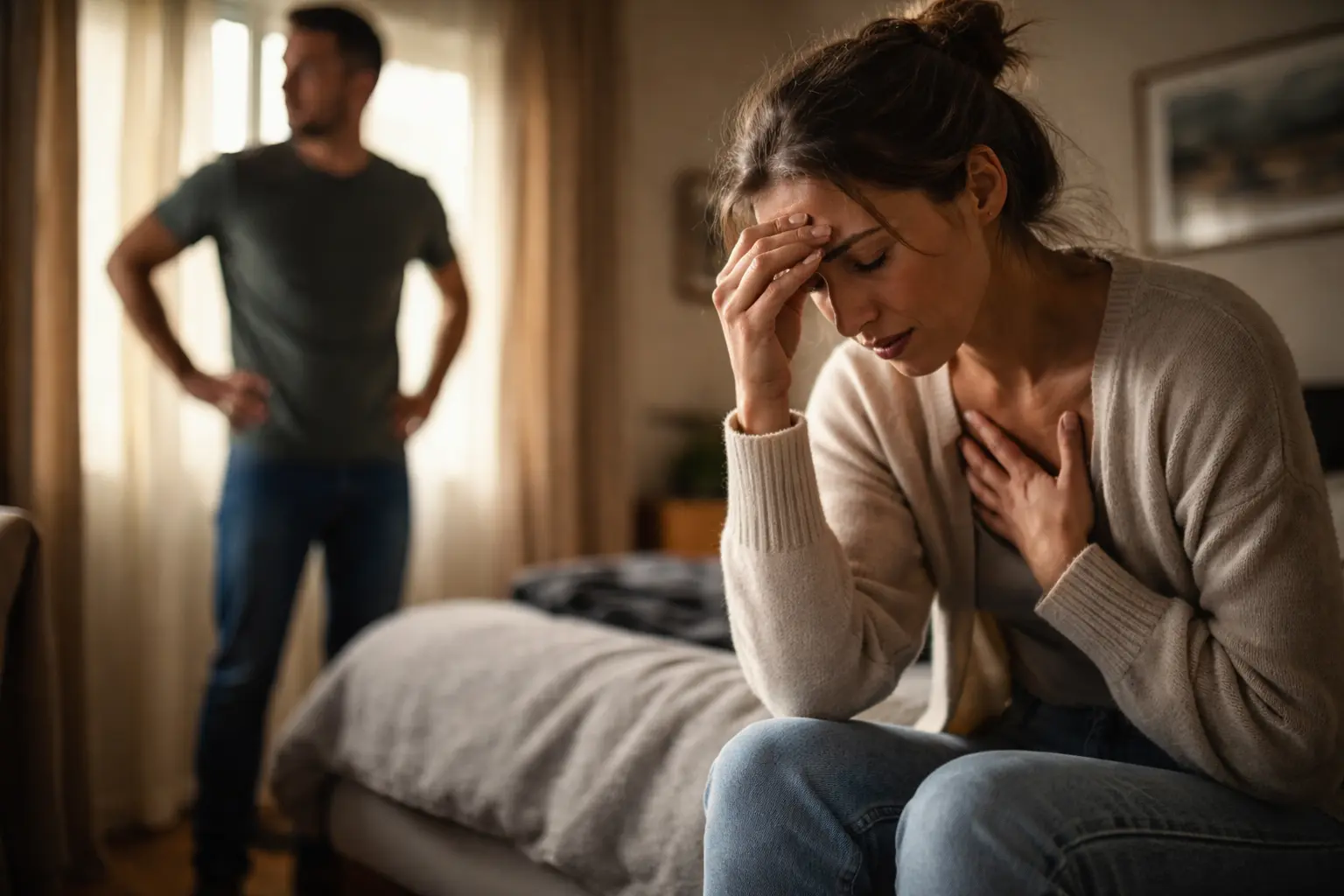
Your chest tightens, your mind races, and you’re trapped in a loop of what-ifs, but you can’t tell if this is anxiety versus panic attack, and that uncertainty itself feels terrifying.
Understanding anxiety
Anxiety is like a constant companion, lurking in the shadows, ready to pounce at any moment. It’s that gnawing worry that never seems to go away, making the simplest tasks feel insurmountable. Think of it like a low-grade fever that doesn’t break. You wake up with it, carry it through your day, and fall asleep wondering if tomorrow will be different. Many seniors describe anxiety as a background hum of dread that colors everything they do. Maybe you’re planning a doctor’s appointment and suddenly you’re spiraling about test results that haven’t even happened yet. Or you’re sitting with family, but your mind keeps drifting to bills, health concerns, or what-ifs about the future. The worry doesn’t come in waves; it’s more like a persistent fog that clouds your thinking. You might feel restless, unable to settle into a book or conversation. Your shoulders stay tense. Sleep becomes elusive. The physical signs are there too: a racing heart that won’t calm down, trouble concentrating, or that feeling of being on edge even when nothing bad is actually happening.
- Persistent feelings of apprehension or dread
- Increased heart rate and restlessness
- Difficulty concentrating or making decisions
Navigating panic attacks
Panic attacks, on the other hand, are sudden and intense bursts of fear that can feel like a heart attack in disguise. Seniors describe it as a tidal wave of terror that engulfs them, leaving them gasping for air and clinging to any semblance of control. One moment you’re fine, the next moment your world explodes. Your heart pounds so hard you swear everyone can hear it. Your hands tingle or go numb. You feel dizzy, like the room is spinning. Some seniors say it feels like they’re dying or losing their mind, even though logically they know that’s not true. The fear is real and overwhelming. It peaks quickly, usually within five to ten minutes, but those minutes feel like an eternity. You might feel chest pain, shortness of breath, or a sense of unreality, like you’re watching yourself from outside your body. Unlike anxiety, which builds gradually and lingers, a panic attack hits like lightning. It’s acute, intense, and terrifying. Many seniors who experience panic attacks describe the aftermath as exhausting; they’re left shaken for hours, worried about when the next one might strike.
💬 Ready to feel better in 2 minutes?choose where to begin:
Distinguishing factors
While anxiety is a chronic condition characterized by persistent worry and unease, panic attacks are acute episodes of intense fear that peak within minutes. Seniors highlight the physical symptoms like chest pain and shortness of breath that often accompany panic attacks, setting them apart from the more subtle signs of anxiety. Here’s where it gets clearer: anxiety is the slow burn, panic is the explosion. With anxiety, you might feel your shoulders creeping up toward your ears, your jaw clenching, or a vague sense that something is wrong. It’s there in the morning and still there at night. With panic, it’s sudden and specific. Your body goes into fight-or-flight mode without warning. The intensity is also different. Anxiety is uncomfortable and limiting, but panic is terrifying. A senior with anxiety might avoid certain situations because of worry; a senior having a panic attack might think they need an ambulance. Duration matters too. Anxiety can last for days, weeks, or even months. Panic attacks typically resolve within minutes, though the fear of having another one can trigger anxiety afterward. Understanding this distinction helps you recognize what you’re experiencing and respond appropriately, whether that means breathing exercises for anxiety or grounding techniques during a panic attack.
Coping strategies
Seniors share coping mechanisms like deep breathing exercises, mindfulness techniques, and seeking support from loved ones to manage both anxiety and panic attacks. By understanding the nuances between the two, they empower themselves to navigate these challenges with resilience and grace. For anxiety, many seniors find that establishing a routine helps. Regular walks, consistent sleep schedules, and limiting caffeine can reduce that constant background worry. Some practice the 5-4-3-2-1 grounding technique, naming five things they see, four they can touch, three they hear, two they smell, and one they taste. This pulls the mind out of the worry spiral and into the present moment. For panic attacks, seniors recommend having a plan. Know your triggers if possible. Practice slow breathing before panic strikes so your body knows how to do it when fear takes over. Some keep a list of reminders that panic attacks are temporary and not dangerous, even though they feel that way. Talking to a trusted friend or family member about what you’re experiencing can be incredibly grounding. You don’t need to face this alone. Many seniors also find that professional support, whether therapy or medical guidance, gives them tools tailored to their specific situation and provides reassurance that what they’re experiencing is manageable.
Anxiety and panic attacks may share common features like overwhelming fear, but seniors emphasize the critical differences in their duration, intensity, and physical manifestations. By drawing on their lived experiences, they offer valuable insights into distinguishing between the two conditions and effective coping strategies.
Can anxiety lead to panic attacks?
Yes, chronic anxiety can escalate into panic attacks under certain stressors or triggers, intensifying feelings of fear and distress.
How can seniors differentiate between anxiety and panic attacks?
Seniors can distinguish between anxiety and panic attacks based on the duration, intensity, and accompanying physical symptoms. Anxiety is more prolonged, while panic attacks are sudden, intense, and often involve chest pain and difficulty breathing.
Others also read:
Disclaimer: This article is for informational purposes only and is not a substitute for professional medical advice. Always consult a healthcare professional for personal guidance.
This article presents an experience-based perspective and has been reviewed by the GlobalHealthBeacon editorial team in 2026. It provides structured, evidence-based information to support informed health decisions.

