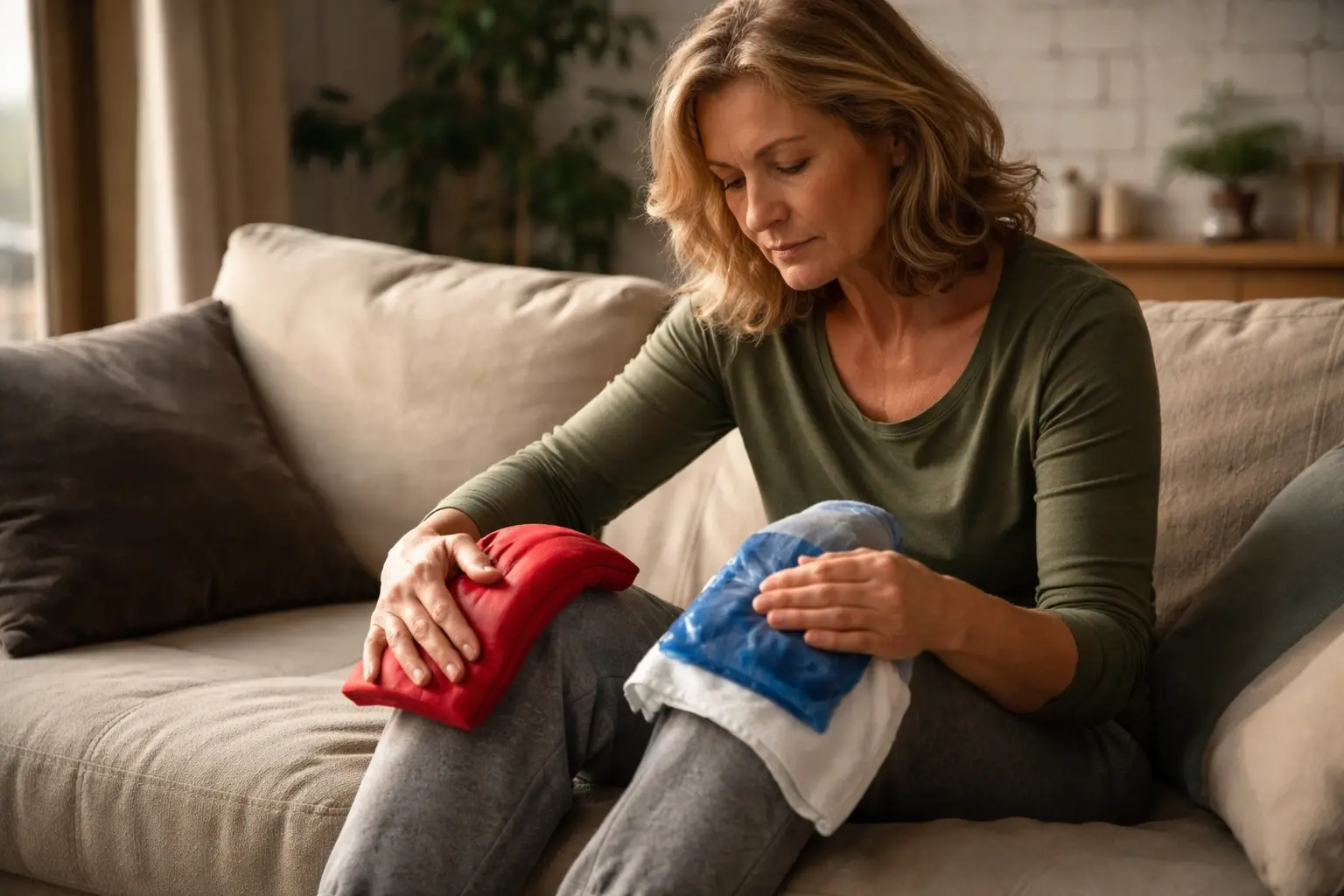
Every morning you wake up and your knuckles feel like rusty hinges, your knees scream when you stand, and reaching for your coffee mug becomes a negotiation between your body and your willpower, but arthritis heat versus cold therapy might just be the relief you’ve been desperately searching for.
Arthritis heat therapy: a soothing balm for aching joints
Heat therapy can be a genuine game-changer for arthritis sufferers, and many seniors swear by it as their morning ritual. Picture this: you wake up stiff, your joints protesting before your feet even hit the floor. A warm bath or heating pad applied to your hands, knees, or shoulders for 15 to 20 minutes can work wonders. The warmth penetrates deep into the tissue, relaxing those tight muscles that have been clenching around your joints all night. Blood flow increases to the affected area, bringing oxygen and nutrients that ease stiffness and improve flexibility. Whether it’s a traditional heating pad, a microwaveable heat wrap, or even a warm towel fresh from the dryer, the soothing sensation provides immediate comfort. Many seniors find that morning heat therapy sets them up for a more mobile day, allowing them to move through their routine with less wincing and more confidence.
- Increases blood flow to reduce stiffness
- Relaxes muscles for improved flexibility
- Soothes aching joints and eases discomfort
Cold therapy: a chill approach to arthritis pain
Cold therapy takes a different approach, and it’s equally powerful when inflammation flares up. Imagine your joint is swollen, hot to the touch, and throbbing with pain after a day of activity. This is when cold therapy shines. Cold works by constricting blood vessels in the affected area, which reduces inflammation and numbs the pain signals your brain is receiving. An ice pack wrapped in a thin towel, a cold compress, or even a bag of frozen peas from your freezer can provide quick relief. Most seniors find that applying cold for 10 to 15 minutes works best, especially after activity or when swelling is visible. The numbing sensation can be remarkably soothing, offering a break from constant discomfort. Cold therapy is particularly helpful in the afternoon or evening when inflammation tends to build up from daily movement and use.
💬 Ready to feel better in 2 minutes?choose where to begin:
Finding your balance: combining heat and cold for optimal relief
Here’s where many seniors discover their breakthrough: alternating between heat and cold therapy throughout the day. Start your morning with 15 minutes of heat to loosen stiff joints and get your body moving. Then, if you’ve been active or notice swelling building up, switch to cold for 10 to 15 minutes to calm the inflammation. Some seniors follow a pattern of heat in the morning, activity during midday, cold in the afternoon if needed, and heat again before bed. This rhythm works with your body’s natural inflammation cycle rather than against it. The key is paying attention to how your joints respond. What works beautifully for your neighbor might need tweaking for your specific situation. Keep a simple journal of which approach felt better on different days, and soon you’ll develop a personalized routine that becomes as natural as brushing your teeth.
Leveraging experience: seniors’ stories of arthritis management success
Margaret, a 72-year-old retired teacher, spent years avoiding her garden because her hands would swell and ache within minutes. After discovering heat therapy in the morning followed by cold packs in the afternoon, she now spends three hours a week tending her roses. Robert, 68, had resigned himself to stiff mornings until he started alternating heat and cold, and now he walks two miles daily without the joint pain that once limited him to short shuffles around the block. These aren’t miracle cures, but they’re real transformations born from simple, accessible tools. What makes these stories powerful is that they came from experimentation and patience. Each senior found their own rhythm, their own timing, their own combination that works. Their victories aren’t about becoming pain-free overnight, but about reclaiming activities they thought were gone for good and moving through life with less struggle and more joy.
Arthritis heat and cold therapy offer seniors a natural, effective way to manage joint pain. Heat relaxes muscles and increases blood flow, while cold reduces inflammation and numbs the area. Combining these therapies can bring optimal relief, as shared experiences from seniors highlight the transformative power of heat and cold in arthritis management.
Can I use heat and cold therapy together for arthritis pain?
Yes, alternating between heat and cold therapy can provide excellent relief for arthritis pain. Experiment with different timings and techniques to find what works best for you.
Are there any risks associated with heat or cold therapy for arthritis?
While generally safe, it’s essential to not apply extreme temperatures directly to the skin to avoid burns or frostbite. Always use a barrier like a towel between the heat or cold source and your skin.
Others also read:
Disclaimer: This article is for informational purposes only and is not a substitute for professional medical advice. Always consult a healthcare professional for personal guidance.
This article presents an experience-based perspective and has been reviewed by the GlobalHealthBeacon editorial team in 2026. It provides structured, evidence-based information to support informed health decisions.
