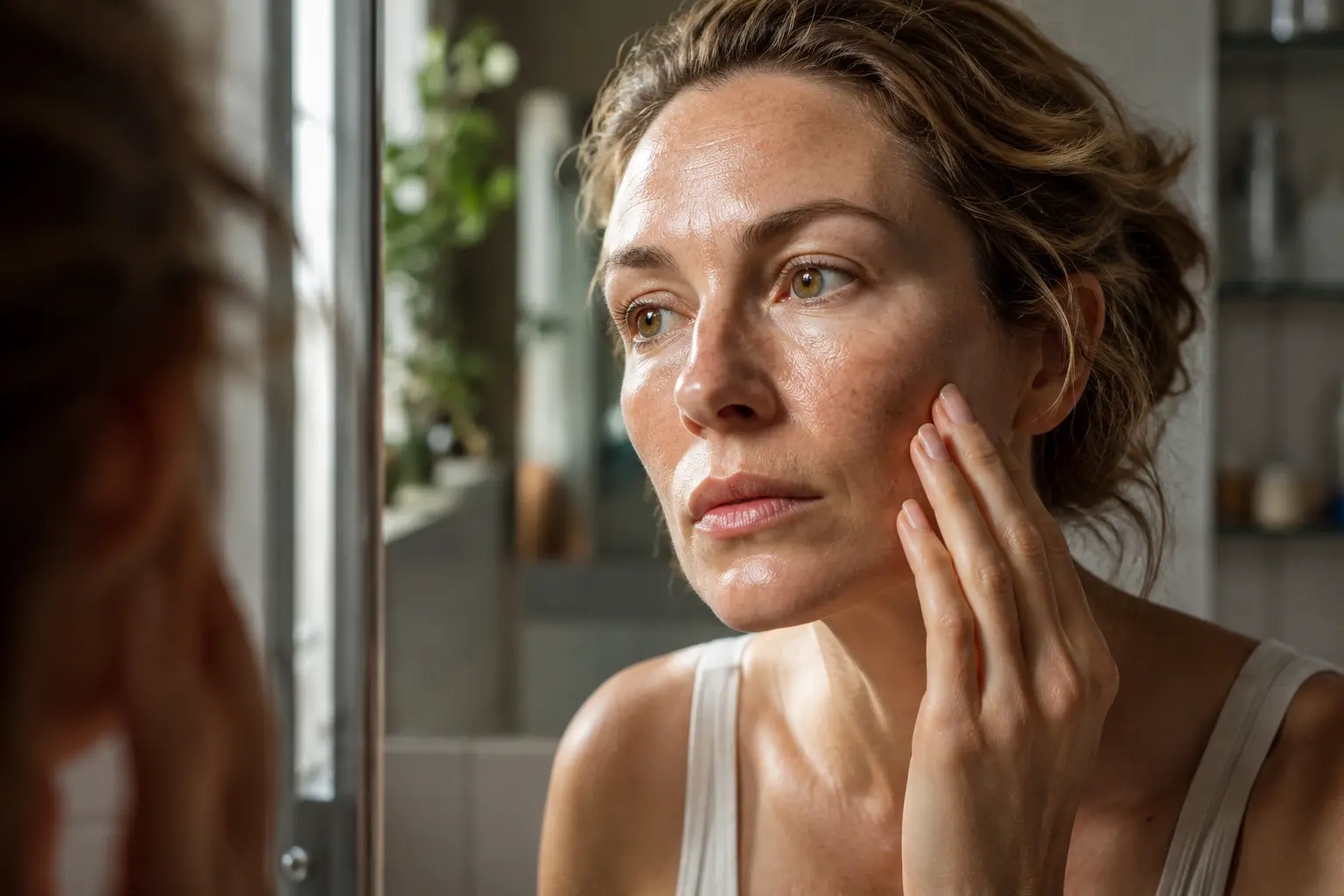
Your skin feels raw, tight, and angry no matter what you slather on it, and you’re exhausted from the endless cycle of products that promise relief but leave you worse off than before, which is exactly why barrier friendly skincare might be the reset your skin has been desperately screaming for.
Understanding barrier-friendly skincare
Barrier-friendly skincare is built on a simple but revolutionary idea: stop fighting your skin and start protecting it. Your skin has a natural protective layer called the moisture barrier, and it’s basically your skin’s bodyguard against pollution, harsh weather, and irritants. When this barrier gets damaged from over-exfoliating, using the wrong products, or just plain stress, your skin becomes reactive, inflamed, and uncomfortable. Barrier-friendly products are specifically formulated to repair and strengthen this protective layer rather than strip it away. Think of it like this: instead of aggressive scrubs and strong actives that leave your skin raw, you’re using gentle, nourishing formulas that whisper rather than shout. These products contain soothing, hydrating ingredients that work with your skin’s natural processes instead of against them. For women dealing with redness, sensitivity, or that tight uncomfortable feeling, this approach can feel like finally finding the key to the door you’ve been banging on for years.
- Supports the skin’s natural defenses
- Restores and maintains skin hydration
- Gentle formulas reduce skin irritation
Key ingredients to look for
When you’re standing in front of the skincare aisle feeling overwhelmed, here’s what to hunt for on those ingredient lists. Ceramides are lipids that literally fill in the gaps in your skin barrier, like mortar between bricks. Hyaluronic acid acts like a moisture magnet, pulling water into your skin and keeping it plump and hydrated. Niacinamide is a powerhouse that calms inflammation, regulates sebum, and strengthens your barrier all at once, which is why dermatologists love it. Squalane mimics your skin’s natural oils, so it absorbs beautifully without feeling greasy or heavy. You might also spot centella asiatica, a plant extract that’s been used in Korean skincare for centuries to soothe irritated skin. The magic happens when these ingredients work together in a formula designed to nourish rather than strip. A good barrier-friendly product will list these ingredients early on the label, meaning they’re present in meaningful concentrations. Start with one or two key ingredients and let your skin adjust before adding more complexity to your routine.
💬 Ready to feel better in 2 minutes?choose where to begin:
Personal experience: a testimonial
I spent three years chasing the perfect skincare routine, rotating between expensive serums, trending actives, and whatever influencers were raving about that week. My skin was a mess: constantly red, painfully sensitive, and honestly, I was embarrassed to be seen without makeup. I’d wake up with my face feeling tight and uncomfortable, and by midday, any product I’d applied would feel like it was burning. Then a dermatologist suggested I stop everything and start with barrier-friendly products. The first two weeks felt boring, honestly. No dramatic transformations, just simple cleansing and hydration. But by week three, something shifted. My redness started fading. My skin felt calmer, less reactive to weather changes and stress. By week eight, I could skip foundation on good days because my skin actually looked healthy. The real victory was realizing that my sensitive skin wasn’t a flaw to fix with more products, it was a signal that I needed to listen to what my skin actually needed. That shift in perspective changed everything.
Tips for incorporating barrier-friendly skincare
Starting a new skincare routine can feel tempting to overhaul everything at once, but that’s actually the fastest way to sabotage yourself. Instead, begin with patch testing: apply a small amount of the new product on your inner arm or behind your ear and wait 24 to 48 hours to see if any irritation develops. This simple step saves you from wasting money and dealing with unexpected reactions. Next, introduce one product at a time into your existing routine, waiting at least a week between additions so you can actually tell which product is doing what. Many women make the mistake of expecting overnight results, but barrier repair takes time. Your skin cells turn over roughly every 28 days, so give yourself at least that long to evaluate whether something is working. Keep your routine minimal at first: a gentle cleanser, a hydrating toner or essence, a nourishing moisturizer, and sunscreen. Once your barrier feels stronger and your skin calms down, you can slowly add other products if you want. Document what you’re using and how your skin responds, because what works for your friend might not work for you, and that’s completely normal.
Barrier-friendly skincare products are designed to strengthen and protect the skin’s natural barrier, making them ideal for sensitive skin types. Key ingredients like ceramides and hyaluronic acid work to soothe and hydrate the skin, leading to healthier and more resilient complexion. Consistency and careful ingredient selection are paramount for successful integration of barrier-friendly skincare into your routine.
Are barrier-friendly skincare products suitable for all skin types?
While barrier-friendly skincare is particularly beneficial for sensitive and reactive skin types, it can also benefit those with normal or combination skin. These products help maintain overall skin health and hydration levels.
How long does it take to see results with barrier-friendly skincare?
Results can vary depending on individual skin concerns and product formulations. However, with consistent use, many people report improvements in skin texture, redness, and hydration within a few weeks of incorporating barrier-friendly products into their routine.
Others also read:
Disclaimer: This article is for informational purposes only and is not a substitute for professional medical advice. Always consult a healthcare professional for personal guidance.
This article presents an experience-based perspective and has been reviewed by the GlobalHealthBeacon editorial team in 2026. It provides structured, evidence-based information to support informed health decisions.
