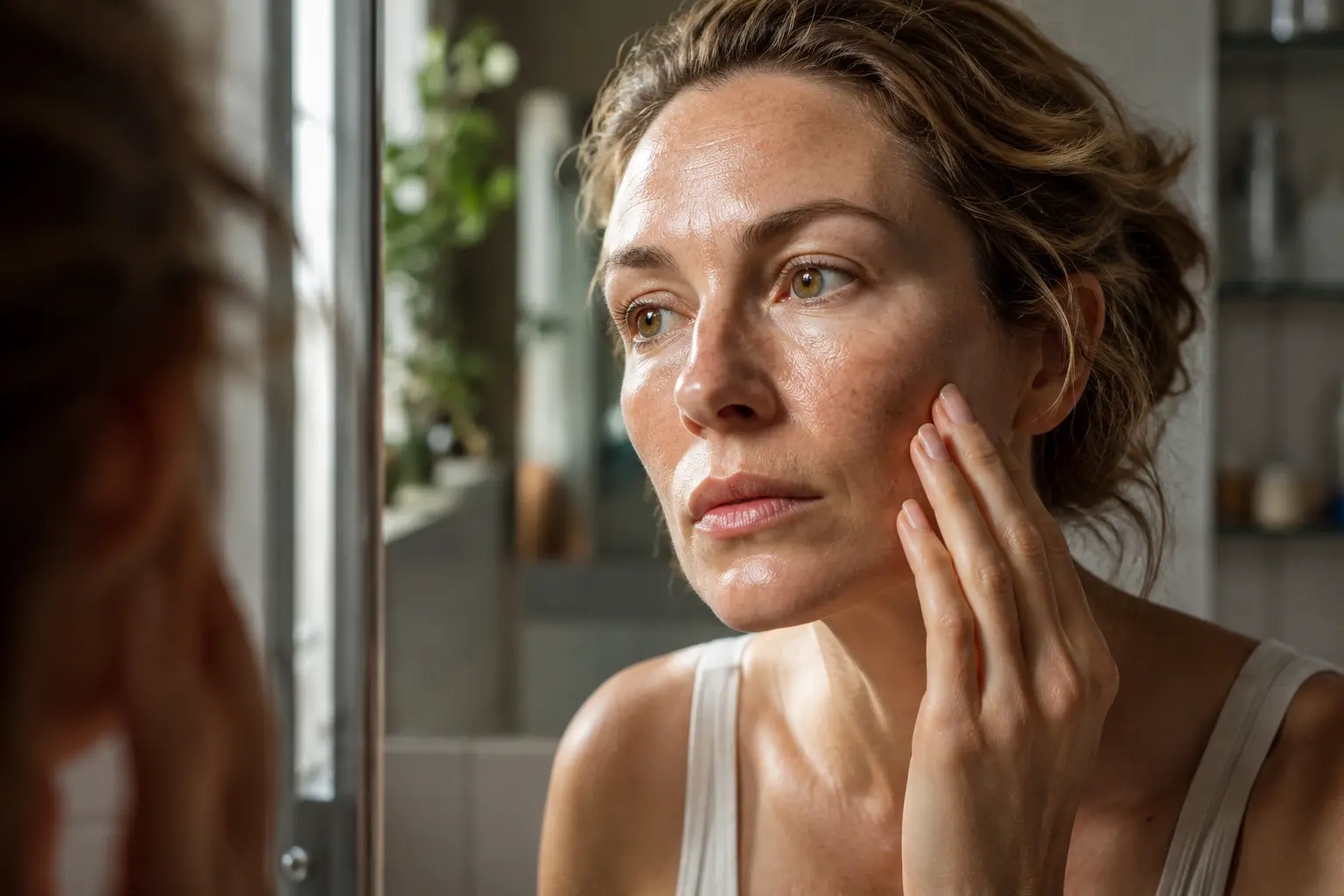
Your skin feels tight, itchy, and reactive to everything you touch, and you’re tired of the endless cycle of dryness and irritation that comes with aging – but barrier friendly skincare might actually be the reset your skin has been desperately asking for.
Understanding barrier function
Your skin’s barrier is essentially a protective wall made up of lipids, proteins, and dead skin cells that work together like mortar and bricks. Think of it as your skin’s first line of defense against pollution, bacteria, and moisture loss. In younger years, this barrier is robust and efficient, but as you age, several changes occur. The production of natural oils decreases, the skin becomes thinner, and the cells that make up this barrier don’t regenerate as quickly. By the time you reach your sixties or seventies, you might notice that your skin feels perpetually dry no matter how much lotion you apply. This happens because the barrier has weakened, allowing water to escape from deeper skin layers while environmental irritants penetrate more easily. The result is that familiar combination of sensitivity, redness, and that uncomfortable tight feeling, especially after showering or exposure to wind and cold.
Benefits of barrier-friendly skincare
Barrier-friendly skincare products work by replenishing the specific components your skin barrier has lost over time. These formulations typically contain ceramides, which are lipid molecules that naturally occur in your skin and help seal moisture in. Fatty acids like linoleic acid and oleic acid work alongside ceramides to restore the lipid layer. Hyaluronic acid acts differently – it draws water into the skin and holds it there, creating a plumping effect that reduces the appearance of fine lines. When you use these products consistently, you’re not just applying a temporary fix. You’re actively rebuilding the structural integrity of your skin barrier. Many seniors report that within two to four weeks of using barrier-focused products, their skin feels less reactive, looks less red, and maintains hydration better throughout the day. The anti-inflammatory ingredients in these formulations also help calm the irritation that comes with a compromised barrier, creating a gentler environment for your skin to heal itself.
How to incorporate barrier-friendly skincare
Starting a barrier-friendly routine doesn’t require overhauling everything at once. Begin with your cleanser, which is critical because a harsh cleanser can undo all the good work barrier products do. Look for cream-based or milk cleansers that remove dirt and makeup without stripping away natural oils. Imagine washing your face with something that feels more like a gentle massage than a scrub. After cleansing, apply a moisturizer specifically formulated with ceramides and lipids while your skin is still slightly damp – this helps lock in hydration. Follow with a broad-spectrum sunscreen during the day, as UV damage weakens the barrier further. At night, you might add a richer occlusive product like a facial oil or balm to seal everything in while you sleep. The key is consistency and patience. Your barrier didn’t weaken overnight, and it won’t strengthen overnight either, but most people notice meaningful improvements within three to six weeks of dedicated use.
- Choose skincare products with minimal fragrance and no essential oils to reduce irritation, as these can trigger sensitivity in a compromised barrier.
- Opt for gentle exfoliation no more than once or twice weekly using a soft washcloth or chemical exfoliant with low concentrations of AHAs or BHAs to promote cell turnover without damaging the barrier.
- Consult a dermatologist for personalized recommendations based on your skin type and concerns, especially if you have conditions like rosacea or eczema that complicate barrier function.
🔬 Science-backed benefits in 2 minuteschoose where to begin:
The science behind active ingredients
Niacinamide, also called vitamin B3, is one of the most researched ingredients for barrier repair. It reduces inflammation, strengthens the barrier by increasing ceramide production, and has been shown in studies to improve skin hydration significantly. Squalane is a lightweight oil derived from plants that mimics the sebum your skin naturally produces, making it highly compatible with aging skin. Peptides are short chains of amino acids that signal your skin to produce more collagen and elastin, helping restore firmness and elasticity. Panthenol, derived from vitamin B5, is a humectant that draws moisture into the skin while also soothing irritation. When these ingredients work together in a well-formulated product, they create a synergistic effect. For example, ceramides provide the structural repair, hyaluronic acid brings in moisture, and niacinamide reduces the inflammation that prevents healing. This combination addresses the root cause of barrier dysfunction rather than just masking symptoms, which is why barrier-friendly products tend to deliver more lasting results than standard moisturizers.
Barrier-friendly skincare tips for seniors
Beyond products, your daily habits significantly impact barrier health. Staying hydrated by drinking adequate water supports skin hydration from the inside out, though the relationship is more nuanced than simple cause and effect. Hot showers feel wonderful, but they strip away natural oils and can leave your skin feeling tight and uncomfortable afterward. Lukewarm water is gentler and preserves more of your skin’s natural protective layer. A humidifier in your bedroom during dry months or in winter heating season can prevent moisture loss while you sleep, which is when your skin does much of its repair work. Avoid touching your face throughout the day, as this introduces bacteria and irritants. Be mindful of your environment too – air conditioning and heating systems dry out the air, which accelerates moisture loss from your skin. If you live in a dry climate or spend time in heated buildings, the barrier-friendly approach becomes even more important. Some seniors find that adjusting their routine seasonally, using richer products in winter and lighter ones in summer, helps maintain consistent barrier function year-round.
Conclusion on barrier-friendly skincare for seniors
Barrier-friendly skincare isn’t a trend or marketing gimmick – it’s a science-backed approach grounded in how skin actually ages and what it needs to function optimally. For seniors dealing with dryness, sensitivity, and reactive skin, this approach offers real solutions by addressing the underlying cause rather than just treating symptoms. The ingredients and practices discussed here work because they restore what time and environmental exposure have taken away. You don’t need an expensive multi-step routine or dozens of products. A simple, consistent approach with a gentle cleanser, a barrier-focused moisturizer, and sun protection can produce noticeable improvements. The investment in quality barrier-friendly products often pays dividends in reduced irritation, improved comfort, and skin that feels and looks healthier. By understanding the science and implementing these evidence-based strategies, you’re taking an active role in maintaining your skin’s health and resilience as you age.
Barrier-friendly skincare focuses on strengthening the skin’s protective barrier through targeted ingredients and practices. Seniors can benefit from this science-backed approach by improving moisture retention, reducing sensitivity, and combating signs of aging.
Are barrier-friendly skincare products safe for seniors with sensitive skin?
Yes, most barrier-friendly skincare products are formulated to be gentle and suitable for sensitive skin. It’s essential to patch-test new products and consult a dermatologist if you have specific concerns.
Can barrier-friendly skincare help with conditions like eczema and rosacea?
Barrier-friendly skincare can be beneficial for managing conditions like eczema and rosacea, as it focuses on strengthening the skin barrier and reducing inflammation. However, individual results may vary, and it’s advisable to seek professional advice for personalized treatment.
Others also read:
Disclaimer: This article is for informational purposes only and is not a substitute for professional medical advice. Always consult a healthcare professional for personal guidance.
This article has been prepared and reviewed by the GlobalHealthBeacon editorial team and is based on current medical research and published scientific literature available in 2026. It provides structured, evidence-based information to support informed health decisions.
