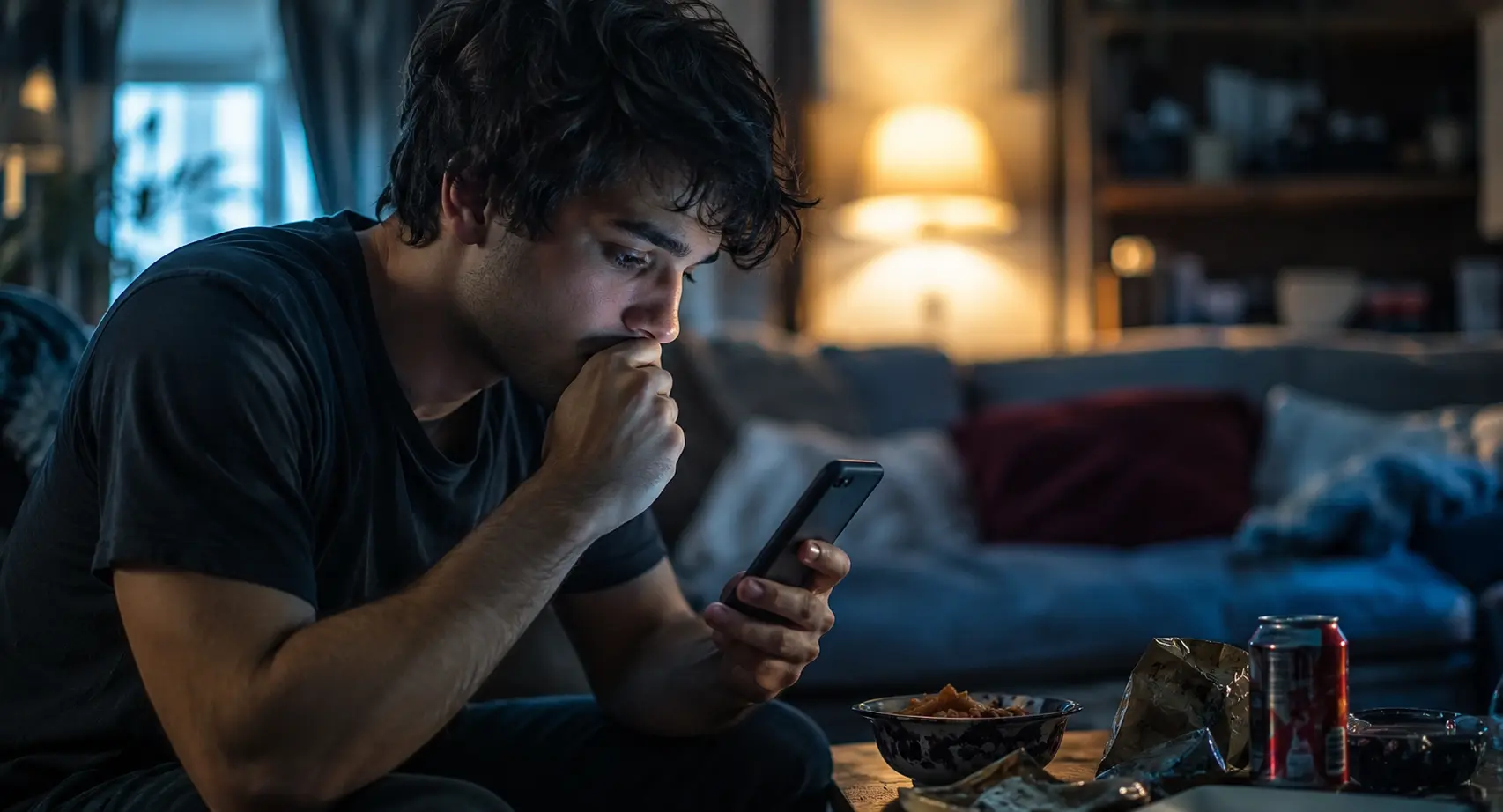
You’re scrolling for hours when you meant to check the news for five minutes, or you’re gambling away money you promised yourself was off-limits, and suddenly you realize you can’t stop even though you desperately want to – this is behavioral addiction explained, and it’s more common than you think.
Recognizing the signs
Behavioral addiction often creeps up on you like a slow fog rolling in. One day you’re enjoying a hobby, and the next day you’re spending six hours a day on it when you meant to spend one. Maybe it started with online shopping to lift your mood after your spouse passed, or gambling as a way to feel the rush you used to get from life. You notice you’re canceling plans with grandchildren because you can’t put down your phone. Your daughter mentions you seem distant. The real wake-up call comes when you realize you’re lying about how much time you’re spending on the behavior, or you’re feeling anxious and irritable on days when you can’t engage in it. These subtle shifts are your body and mind sending signals that something has shifted from enjoyment into compulsion.
- Increase in time spent on a specific behavior, often more than intended
- Neglecting responsibilities, hobbies, or relationships due to the behavior
- Feeling anxious, irritable, or restless when unable to engage in the behavior
Understanding the triggers
Think about the moments right before you engage in your addictive behavior. For many seniors, it’s loneliness. You’re sitting alone after dinner, the house is quiet, and suddenly you’re reaching for your phone or heading to the casino. For others, it’s stress about health concerns, financial worries, or grief. A difficult doctor’s appointment might trigger hours of online shopping. Boredom plays a role too, especially if you’ve retired and lost the structure that work provided. Some people find that certain times of day trigger the urge, or specific emotions like sadness or anxiety. Once you identify your personal triggers, you can start planning alternatives. If loneliness drives your behavior, maybe scheduling a weekly call with a friend helps. If stress triggers it, perhaps a short walk or calling your doctor to discuss concerns provides relief instead.
💬 Ready to feel better in 2 minutes?choose where to begin:
Breaking the cycle
Breaking free from behavioral addiction isn’t something you do alone, and it’s not something that happens overnight. Many seniors find that talking to their doctor is the first real step, because sometimes what feels like an addiction might be connected to depression, anxiety, or other health conditions that can be addressed. A therapist who specializes in behavioral addiction can help you understand the deeper reasons behind your behavior and teach you practical coping strategies. Support groups, whether in-person or online, connect you with others who truly understand what you’re going through because they’re living it too. You might also need to make concrete changes: if online gambling is your struggle, ask your bank to help limit your access. If shopping addiction is the issue, unsubscribe from retail emails and delete shopping apps. Replace the behavior with something that gives you a similar feeling but is healthier, like volunteering, which provides purpose and connection.
Embracing change
Change is genuinely hard, especially when you’ve been doing something for months or years. You’ll have days when you slip back into old patterns, and that’s not failure, that’s just part of the journey. The goal isn’t perfection, it’s progress. Celebrate small wins: if you usually spend three hours scrolling and today you managed two hours, that’s movement in the right direction. Be honest with yourself about what you need. Maybe you need your family to know what you’re working on so they can support you without judgment. Maybe you need to join a support group where people get it without explanation. Maybe you need to find a new routine that fills the time and the emotional need that the addiction was filling. Some seniors find that reconnecting with old hobbies, spending time in nature, or deepening spiritual practices gives them back a sense of meaning and control. The key is treating yourself with the same compassion you’d show a grandchild who’s struggling.
Behavioral addiction can feel like you’ve lost control of your own life, but awareness is the first step toward reclaiming it. By recognizing the signs early, understanding what triggers your behavior, seeking professional support, and making concrete changes with patience and self-compassion, you can break free from the cycle and return to the life you actually want to live.
How do I know if I have a behavioral addiction?
If a behavior is taking up significantly more time than you intend, causing you distress or interfering with your relationships and responsibilities, and you find it difficult to control despite knowing it’s causing problems, you may be dealing with a behavioral addiction. The key difference between a habit and an addiction is loss of control and continued engagement despite negative consequences.
Can behavioral addiction be treated?
Yes, behavioral addiction can be effectively treated with therapy, support groups, lifestyle changes, and in some cases medication to address underlying anxiety or depression. Cognitive behavioral therapy has strong evidence for helping people break addictive patterns. Seeking professional help from a doctor or mental health specialist is important for developing a treatment plan tailored to your specific situation.
Others also read:
Disclaimer: This article is for informational purposes only and is not a substitute for professional medical advice. Always consult a healthcare professional for personal guidance.
This article presents an experience-based perspective and has been reviewed by the GlobalHealthBeacon editorial team in 2026. It provides structured, evidence-based information to support informed health decisions.
