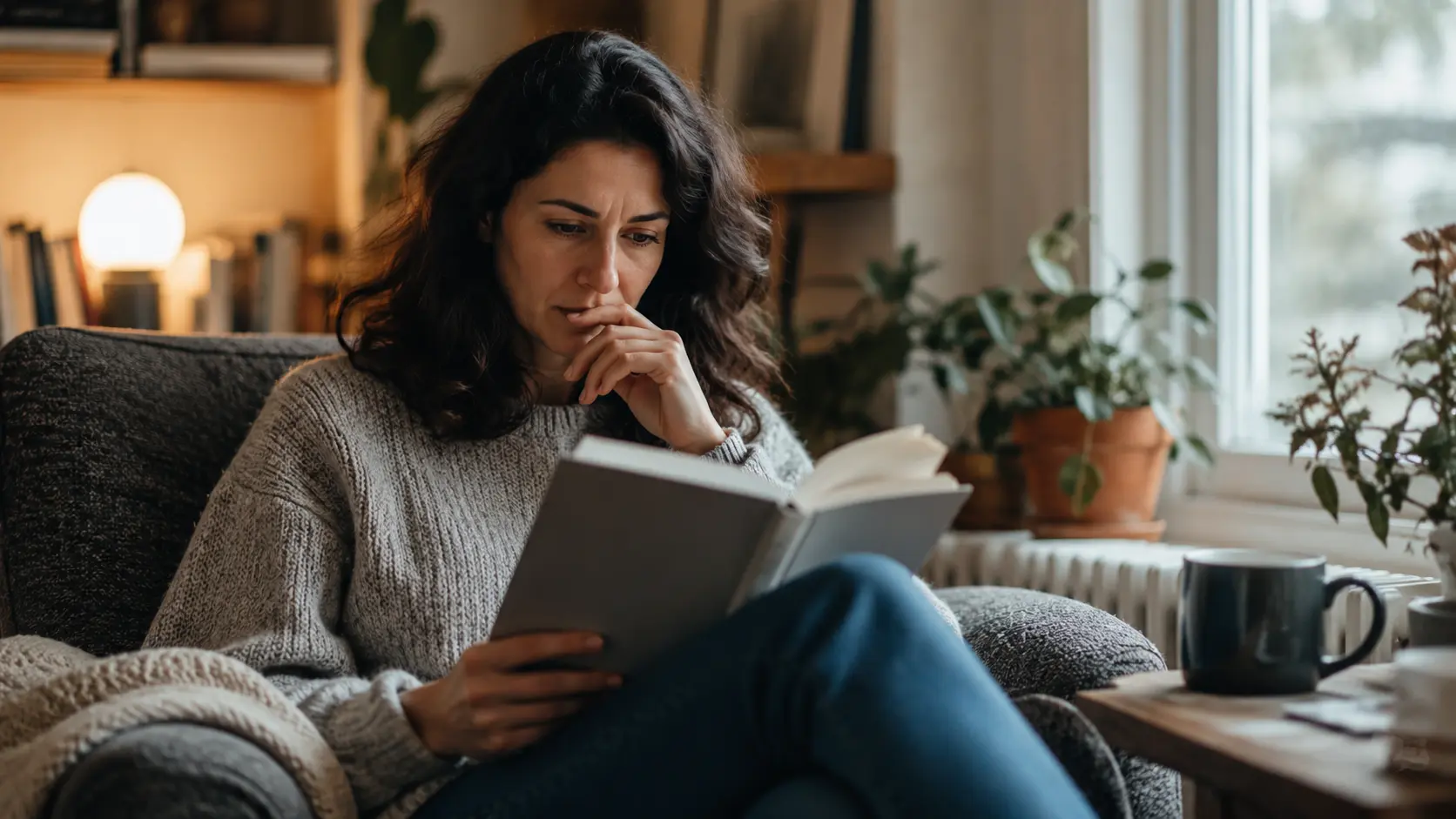
You’re exhausted, overwhelmed by endless to-do lists and the weight of everyone else’s expectations, desperately craving a space where you can just breathe and remember who you are, and the benefits of reading books might be the quiet revolution your life has been waiting for.
Empowerment through knowledge
Sarah spent fifteen years following a career path that looked good on paper but felt hollow inside. One evening, she picked up a memoir by a woman who had reinvented herself at forty-five. As she read, something shifted. She found herself underlining passages, scribbling notes in the margins, questioning assumptions she’d held since childhood. Within months, she’d changed careers. Books became her permission slip to think differently. When you immerse yourself in stories that challenge conventions and showcase diverse perspectives, you’re essentially giving yourself access to lived experiences you might never encounter otherwise. You learn how women in different cultures, time periods, and circumstances navigated obstacles similar to yours. This knowledge builds confidence. You start recognizing patterns in your own life, understanding that many of your struggles aren’t personal failures but systemic challenges others have faced and overcome. Critical thinking sharpens naturally as you engage with complex narratives and ideas. You become better equipped to question societal expectations and make choices aligned with your authentic self rather than external pressures.
- Expand your horizons and gain valuable insights from different cultures and time periods.
- Enhance your critical thinking skills and cultivate a deeper understanding of complex issues.
- Feel empowered to challenge societal norms and stereotypes, fostering a strong sense of self-awareness.
Calm amid chaos
During the pandemic, Maria found herself spiraling. Work deadlines collided with homeschooling responsibilities, and anxiety became her constant companion. Her therapist suggested she try reading for twenty minutes before bed. Skeptical but desperate, she opened a novel. Within days, those twenty minutes became her anchor. The moment she opened the book, her shoulders would drop. Her racing thoughts would slow. She wasn’t thinking about email or bills or the news cycle. She was somewhere else entirely, following a character’s journey, invested in their story. This is what books do during chaos: they create a mental sanctuary. Unlike scrolling through social media or watching screens, reading engages your mind in a way that naturally quiets anxiety. Your brain focuses on narrative and language, creating a gentle form of meditation. The act itself becomes ritualistic and grounding. You might light a candle, brew tea, settle into a favorite corner. This sensory experience combined with the escape of story creates genuine restoration. Many women report that reading before bed improves sleep quality because it genuinely calms the nervous system rather than overstimulating it.
💬 Ready to feel better in 2 minutes?choose where to begin:
Connection in isolation
Emma moved to a new city where she knew nobody. Loneliness crept in quickly. She joined a book club almost by accident, and suddenly she had a community. But more than that, she discovered that the books themselves were companions. She read about characters facing similar feelings of displacement, characters who doubted themselves, characters who eventually found their footing. She felt less alone. Books bridge the gap between isolation and connection in two powerful ways. First, they connect you to other readers and communities, especially through book clubs or online reading communities where women discuss what they’re reading and why it matters to them. Second, and perhaps more intimately, they connect you to the characters and authors themselves. When you read about a woman’s internal struggle that mirrors your own, you experience profound recognition. You realize that what you’re feeling has been felt before, articulated by someone else, and survived. This normalization of your experience is deeply healing. You’re no longer the only woman who has felt this way. You’re part of a larger human story.
Transformation through reflection
Jessica had always described herself as someone who wasn’t introspective. She moved through life on autopilot, checking boxes, meeting expectations. Then she read a novel that made her stop and ask herself hard questions. Who was she when nobody was watching? What did she actually want versus what she thought she should want? She started journaling about the books she read, and those journals became a mirror. Over time, she began recognizing patterns in her choices and relationships. Books create space for this kind of deep reflection because they slow you down and ask you to sit with complex emotions and ideas. Unlike quick information consumption, reading requires sustained attention and engagement. This sustained focus naturally leads to introspection. You find yourself asking why a character’s choice resonated with you, what it reveals about your own values and fears. You emerge from a book changed in small ways that accumulate into significant personal transformation. You might discover a new passion, recognize a pattern you need to break, or find language for something you’ve felt but couldn’t name. This is the quiet power of reading: it’s a tool for understanding yourself more deeply.
Explore the incredible journey of women who have harnessed the transformative power of books to empower themselves, find solace in chaos, seek connection in isolation, and undergo profound personal growth.
Can reading books really have a positive impact on women’s lives?
Yes, reading books can significantly benefit women by expanding their perspectives, enhancing critical thinking skills, and fostering self-empowerment. Research consistently shows that reading reduces stress, improves emotional intelligence, and provides access to diverse experiences and viewpoints that inform decision-making and personal growth.
How can women incorporate reading into their daily routine?
Women can integrate reading into their daily routine by setting aside dedicated time for reading, creating a cozy reading nook, and exploring various genres to find what resonates with them. Start small with even fifteen minutes daily, join a book club for community and accountability, listen to audiobooks during commutes or household tasks, and give yourself permission to abandon books that don’t serve you.
Others also read:
Disclaimer: This article is for informational purposes only and is not a substitute for professional medical advice. Always consult a healthcare professional for personal guidance.
This article presents an experience-based perspective and has been reviewed by the GlobalHealthBeacon editorial team in 2026. It provides structured, evidence-based information to support informed health decisions.
