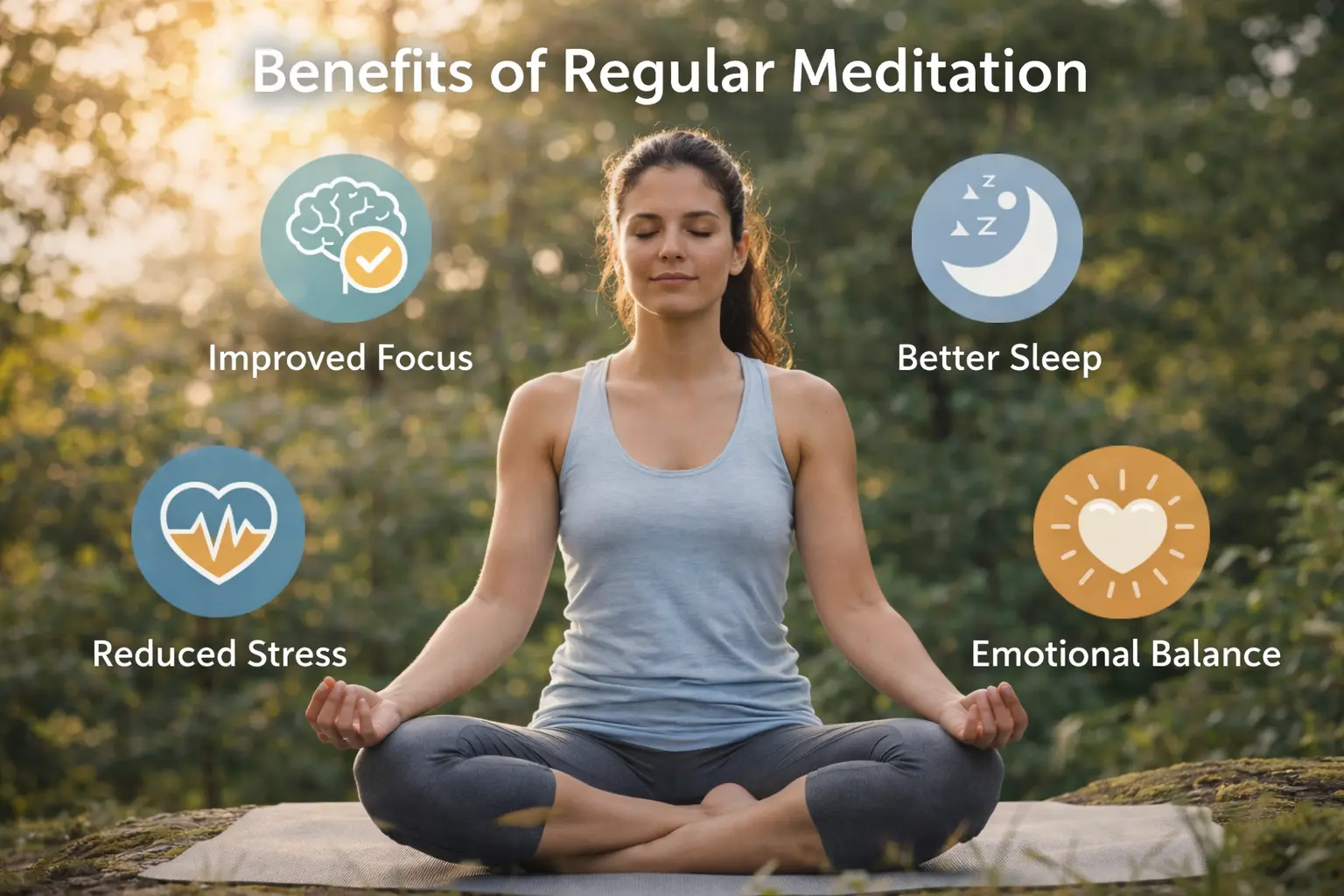
Your mind won’t stop racing, your chest feels tight, and you can’t remember the last time you felt genuinely calm—but the benefits of regular meditation could be the reset button you’ve been searching for.
Understanding the power of meditation
Meditation is far more than sitting quietly with your eyes closed. It’s a scientifically-backed practice that rewires how your brain responds to stress and emotion. When you meditate, you’re essentially training your nervous system to shift out of fight-or-flight mode and into a state of calm awareness. Imagine your mind as a browser with fifty tabs open at once. Meditation closes those tabs one by one, giving you space to think clearly. For women specifically, this practice addresses the unique pressures you face: managing multiple roles, hormonal fluctuations, and societal expectations. By quieting the mental chatter and anchoring yourself in the present moment, you reduce cortisol levels, lower blood pressure, and create neural pathways that make it easier to stay centered even when life gets chaotic. Research shows that consistent meditators experience measurable improvements in emotional regulation, cognitive function, and resilience.
- Reduces stress and anxiety levels naturally
- Improves mental clarity and focus
- Promotes emotional well-being
Getting started with meditation
Starting a meditation practice doesn’t require special equipment, a yoga mat, or a serene mountain retreat. Begin by carving out a quiet corner in your home, even if it’s just a chair by a window or a spot on your bedroom floor. Set a timer for five minutes so you’re not mentally checking the clock. Sit comfortably with your spine naturally aligned, close your eyes, and bring your attention to your breath. Notice the coolness as you inhale and the warmth as you exhale. Your mind will wander, and that’s completely normal. When it does, gently guide your attention back to your breath without judgment. Many women find that starting with a guided meditation app or YouTube video removes the pressure of doing it perfectly. As you build confidence over two to three weeks, gradually extend your sessions to ten or fifteen minutes. The key is consistency over duration. A five-minute daily practice beats a sporadic thirty-minute session.
📘 Fix your day in under 2 minuteschoose where to begin:
Exploring different meditation techniques
Not all meditation feels the same, and what works for your friend might not resonate with you. Mindfulness meditation trains you to observe your thoughts and sensations without reacting to them, making it ideal if you struggle with anxiety or overthinking. Loving-kindness meditation involves silently repeating phrases of compassion toward yourself and others, which many women find healing, especially if they tend to be self-critical. Body scan meditation guides your awareness through each part of your body, releasing tension you didn’t even know you were holding, making it perfect before bed or after a stressful day. Breath-focused meditation simply anchors you to your breathing pattern, offering a straightforward entry point for beginners. Transcendental meditation uses a personal mantra repeated silently, creating a deeper state of rest. Spend a week experimenting with each technique. Pay attention to which one leaves you feeling most peaceful and grounded. Your ideal practice might even combine elements from different styles.
Creating a consistent practice
Consistency transforms meditation from a nice idea into a life-changing habit. The best time to meditate is whenever you’ll actually do it. Some women thrive with a morning practice that sets a calm, intentional tone before the day’s demands kick in. Others find that evening meditation helps them release accumulated stress and sleep more deeply. Link your practice to an existing routine: meditate right after your morning coffee, during your lunch break, or before dinner. Set a specific time and treat it like a non-negotiable appointment with yourself. After about three weeks of daily practice, your brain starts to crave that quiet space, making it easier to stick with. Use reminders on your phone if needed. Track your sessions on a calendar to build momentum and celebrate small wins. If you miss a day, don’t spiral into guilt. Simply resume the next day. Many women find that joining an online meditation community or taking a class adds accountability and deepens their commitment.
Embracing the benefits of meditation
As weeks turn into months of regular practice, you’ll notice shifts that might seem subtle at first but compound over time. You’ll catch yourself responding to frustration with a pause instead of an immediate reaction. Conversations feel clearer because your mind isn’t simultaneously replaying yesterday’s argument. Sleep improves because your nervous system has learned to downregulate. You might notice physical changes too: less jaw clenching, fewer tension headaches, a softer expression in the mirror. The real gift is the inner sanctuary you’ve built. When life throws curveballs, you have an anchor. Meditation doesn’t eliminate challenges, but it changes your relationship to them. You become the observer rather than the victim of your circumstances. Many women describe this as reclaiming their peace as a non-negotiable right, not a luxury. Honor this transformation by protecting your practice, even when life gets busy. The busier you are, the more you need it.
Regular meditation offers women a natural way to reduce stress, improve focus, and enhance emotional well-being. Discover the power of meditation to find balance and calm in your daily life.
Can meditation help with sleep issues?
Yes, meditation can help improve sleep quality by calming the mind and reducing stress levels, leading to better sleep patterns.
How long should I meditate each day?
Start with just a few minutes of meditation daily and gradually increase the duration as you become more comfortable. Aim for at least 10-15 minutes for noticeable benefits.
Others also read:
Disclaimer: This article is for informational purposes only and is not a substitute for professional medical advice. Always consult a healthcare professional for personal guidance.
This guide has been prepared and reviewed by the GlobalHealthBeacon editorial team and reflects current medical research as of 2026. It provides structured, evidence-based information to support informed health decisions.
