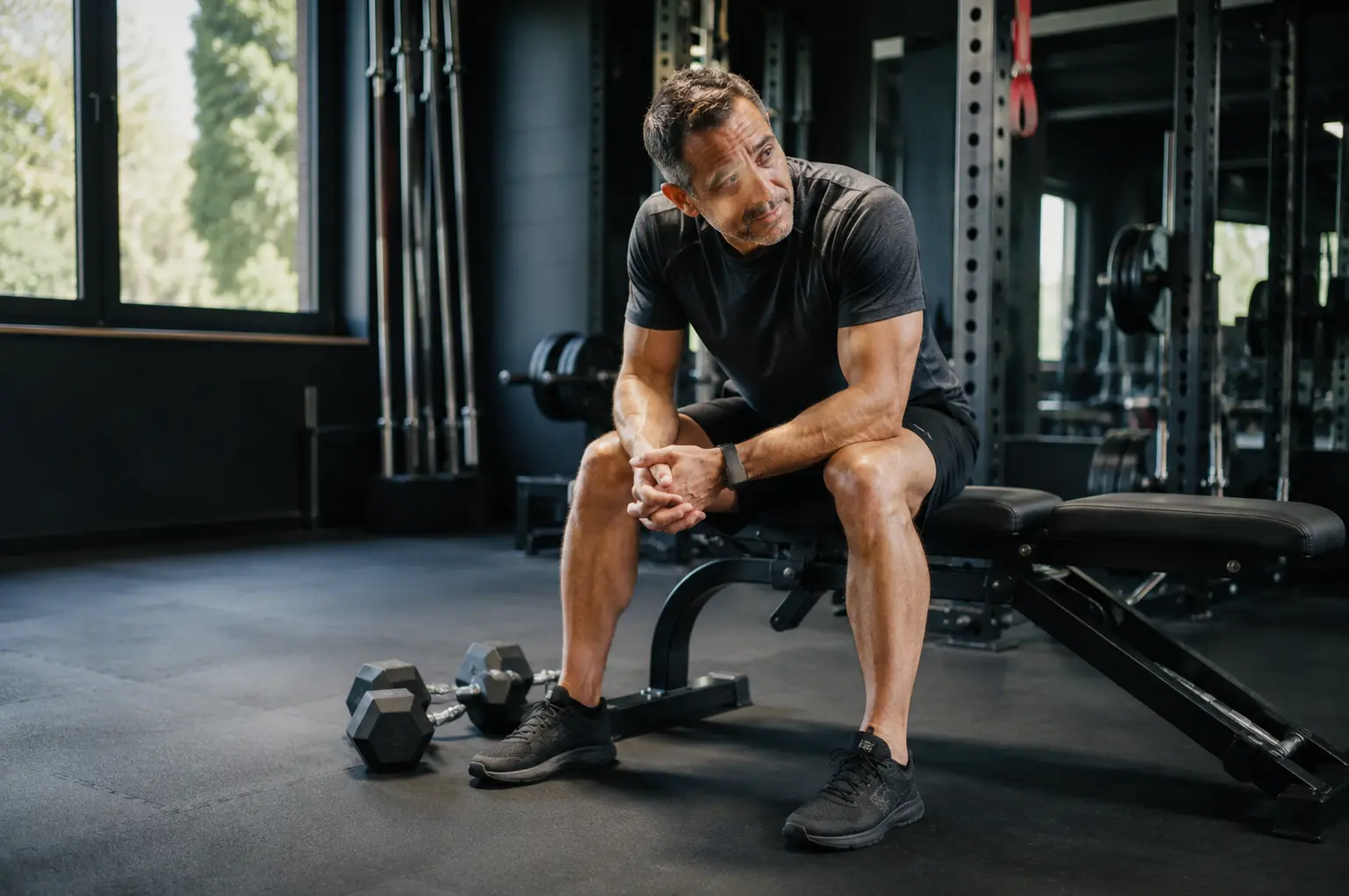
You’re struggling to open a jar, climbing stairs leaves you winded, and simple tasks that used to feel effortless now feel impossible, but the benefits of strength training can completely flip that script and give you your independence back.
Improved muscle strength and function
Think about the last time you struggled to stand up from a chair without using your arms, or felt your legs shake carrying groceries up the driveway. That’s weakness talking, and it’s more common than you’d think. When seniors start strength training, something shifts. Martha, a 72-year-old from Ohio, spent two years feeling like her body was working against her. She could barely lift her grandchildren. After just eight weeks of twice-weekly resistance band sessions, she noticed her arms felt stronger. By month three, she was lifting her grandkids without that sharp pain in her shoulders. Strength training works by challenging your muscles in new ways, forcing them to adapt and grow. Using light weights or resistance bands creates tiny micro-tears in muscle fibers, which your body repairs and rebuilds stronger. This isn’t about becoming a bodybuilder; it’s about reclaiming the strength you need for real life.
- Increased muscle mass
- Enhanced balance and coordination
- Improved joint flexibility
Boosted metabolism and weight management
Here’s something that catches most people off guard: your metabolism doesn’t have to slow down as much as you think. Many seniors blame weight gain on age, but muscle loss is the real culprit. When you lose muscle, your body burns fewer calories even while you’re sitting still. Robert, 68, noticed his weight crept up five pounds a year despite eating the same way he always had. His doctor suggested strength training. Six months later, without drastically changing his diet, he’d lost twelve pounds and had more energy than he’d felt in a decade. Strength training rebuilds muscle, and muscle is metabolically active tissue that burns calories around the clock. Even modest muscle gains can shift your body composition dramatically. You’re not just losing weight; you’re trading fat for muscle, which feels and looks completely different. Your clothes fit better, you move easier, and that afternoon energy slump disappears.
💬 Ready to feel better in 2 minutes?choose where to begin:
Enhanced bone density and joint health
Bone loss accelerates after 50, especially for women, and it happens silently with no warning signs. You might not realize your bones are weakening until you fall and break something. That’s why weight-bearing and resistance exercises matter so much. When you challenge your bones by lifting weight, they respond by building denser, stronger tissue. Helen, 76, had early osteoporosis and was terrified of falling. Her doctor cleared her for gentle strength training with light dumbbells and bodyweight exercises. Two years of consistent training reversed her bone density decline, and she regained the confidence to garden, travel, and play with her grandchildren without fear. Resistance exercises stress your bones in healthy ways, signaling them to strengthen. Your joints also benefit because stronger muscles support and stabilize them, reducing pain and stiffness. This isn’t just about preventing fractures; it’s about staying active and independent for decades to come.
Mental well-being and cognitive function
The physical changes are real, but the mental transformation is often what seniors remember most. When you feel stronger, you feel braver. You feel like yourself again. George spent his seventies feeling increasingly isolated and down. His doctor suggested he try a senior strength training class at the local gym. He was nervous at first, but within weeks, something shifted. The combination of physical challenge, social connection with other seniors, and visible progress lifted a weight he didn’t realize he was carrying. Strength training triggers the release of endorphins, your brain’s natural mood boosters, and it gives you a sense of accomplishment that builds confidence. Research shows that seniors who strength train experience sharper memory, better focus, and reduced anxiety. The cognitive benefits come partly from the physical activity itself and partly from the mental engagement of learning new movements and tracking progress. You’re not just getting stronger; you’re giving your brain the stimulation it craves.
Integrating strength training into the lives of seniors yields multiple benefits, including improved muscle strength, metabolism, bone density, and mental well-being. These positive outcomes contribute to a better quality of life and increased independence.
Is strength training safe for seniors with chronic health conditions?
Strength training can be safe for seniors with chronic health conditions, but it’s essential to consult with a healthcare provider before starting any new exercise regimen. A professional can provide guidance on exercises tailored to individual needs and help ensure safety.
How often should seniors engage in strength training exercises?
Seniors should aim to incorporate strength training exercises into their routines at least two to three times per week. It’s important to allow for adequate rest between sessions to prevent injury and support muscle recovery.
Others also read:
Disclaimer: This article is for informational purposes only and is not a substitute for professional medical advice. Always consult a healthcare professional for personal guidance.
This article presents an experience-based perspective and has been reviewed by the GlobalHealthBeacon editorial team in 2026. It provides structured, evidence-based information to support informed health decisions.
