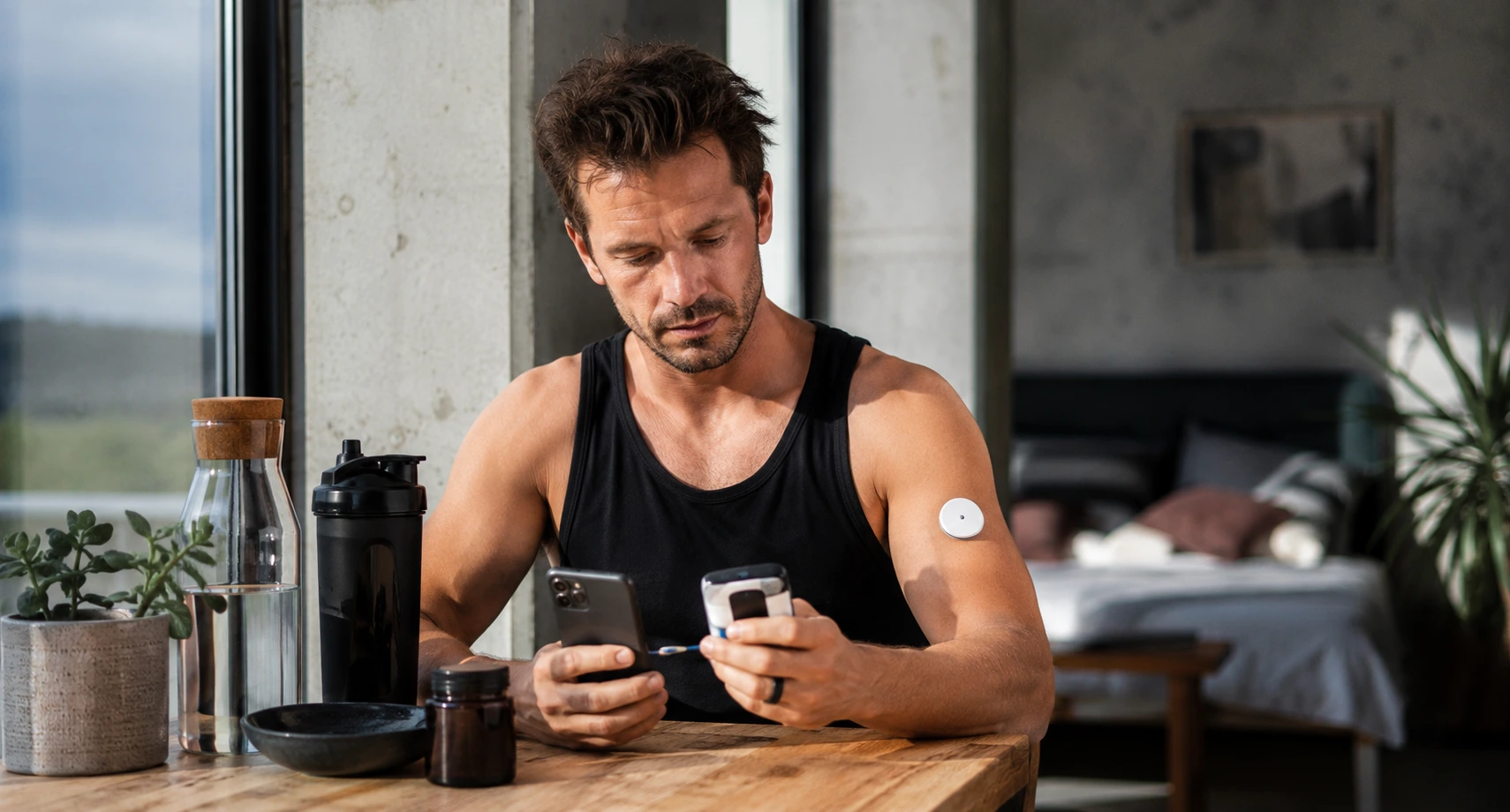
You’re exhausted by midday, your focus disappears after lunch, and you feel like you’re running on fumes while everyone else seems to have it figured out, but what if your biohacking daily routine could actually be the reset button your body has been waiting for?
Understanding biohacking
Biohacking sounds like something from a sci-fi movie, but it’s actually rooted in straightforward biology and personal experimentation. At its core, biohacking is the practice of making deliberate, small adjustments to your lifestyle to optimize how your body and mind perform. Think of it like tuning an engine: you’re not replacing the whole thing, just fine-tuning the parts that matter. For young adults, this might mean noticing that you feel sharper after a cold shower, or that skipping breakfast actually gives you more energy than eating a heavy meal. Biohacking combines insights from nutrition science, sleep physiology, exercise biology, and stress management into a personalized system. Unlike generic fitness advice, biohacking acknowledges that your body is unique. What works for your roommate might not work for you, and that’s the whole point. You become a scientist studying your own biology, testing hypotheses, and collecting data on what genuinely moves the needle for your energy, mood, and performance.
Benefits of biohacking for young adults
Young adults face a particular set of challenges: irregular schedules, high stress, inconsistent sleep, and the pressure to perform at work or school while maintaining a social life. Biohacking directly addresses these pressures by helping you reclaim control over your physiology. When implemented thoughtfully, biohacking can lead to sustained energy throughout the day instead of the crash-and-burn cycle many young adults experience. Your focus sharpens because you’re stabilizing blood sugar and optimizing neurotransmitter function through targeted habits. Sleep quality improves when you align your routines with your circadian rhythm, meaning you wake up actually rested instead of groggy. Perhaps most valuable is the resilience to stress: when your body is well-fueled, well-rested, and moving regularly, your nervous system becomes more resistant to the daily pressures that would otherwise overwhelm you. Beyond these physical benefits, there’s a psychological shift. Taking control of your habits creates a sense of agency and confidence that extends into other areas of your life.
Implementing a biohacking daily routine
Starting a biohacking routine doesn’t require a complete life overhaul. Begin by tracking your current baseline: for one week, simply notice when you have energy, when you crash, how you sleep, and how you feel mentally. Write it down. This creates your starting point and reveals patterns you might not have consciously recognized. Next comes the experimentation phase, which is where biohacking becomes genuinely interesting. You might try intermittent fasting for a week and observe how it affects your afternoon focus. You might add a 30-second cold shower after your morning routine and track your energy levels. You could experiment with meditation, different exercise timings, or adjusting your caffeine intake. The key is changing one variable at a time so you can actually see what caused the effect. Keep a simple log: date, what you did, how you felt. After two to three weeks of consistent practice with a single technique, you’ll have real data about whether it works for you. This isn’t about perfection or following someone else’s protocol. It’s about building a personalized system based on evidence from your own body.
- Track your current habits and behaviors for one week to establish your baseline.
- Experiment with various biohacking techniques one at a time for two to three weeks each.
- Monitor the effects of these practices on your well-being, energy, and performance using a simple log.
🔬 Science-backed benefits in 2 minuteschoose where to begin:
Biohacking tools and technologies
Technology has made self-tracking more accessible than ever, and the right tools can accelerate your biohacking progress. Fitness trackers like Oura Ring or Whoop provide detailed sleep data, showing you how different activities affect your sleep architecture and recovery. Apps like MyFitnessPal or Cronometer let you track nutrition patterns without obsession, helping you notice how different foods impact your energy and digestion. Sleep tracking devices go beyond simple step counts, measuring REM and deep sleep phases so you can correlate your habits with actual sleep quality. Heart rate variability apps give you a window into your nervous system’s stress response. The value of these tools isn’t the gadget itself but the data feedback loop they create. When you see concrete evidence that a certain habit improved your sleep by 45 minutes or increased your focus metrics, you’re more likely to stick with it. However, avoid the trap of tool obsession: the best biohacking tool is the one you’ll actually use consistently. For some people, that’s a simple notebook. For others, it’s a sophisticated wearable. Start with what feels natural and upgrade only if you genuinely need more data.
Biohacking community and resources
One of the most underrated aspects of biohacking is the community aspect. Online forums like Reddit’s biohacking communities, Discord servers, and specialized platforms connect you with thousands of people running their own experiments. These aren’t just echo chambers; they’re places where someone has already tested what you’re curious about and can share their results. Biohacking conferences and meetups, increasingly common in major cities, bring together researchers, practitioners, and curious young adults. You’ll hear talks on emerging science, meet people who’ve optimized specific areas of their lives, and get inspired by real examples. Books by authors like Dave Asprey or Andrew Huberman provide deeper dives into the science behind specific techniques. Podcasts focused on longevity and performance often feature interviews with biohackers sharing their protocols. The community aspect matters because biohacking can feel isolating if you’re the only person in your friend group tracking sleep or experimenting with fasting. Finding your people, even online, provides accountability, fresh ideas, and the reassurance that you’re not weird for caring about optimizing your biology.
Future of biohacking science
Biohacking is evolving rapidly as neuroscience, genetics, and wearable technology advance. Personalized medicine is moving from theory to practice: genetic testing can reveal how your body metabolizes caffeine or processes certain nutrients, allowing you to biohack with even greater precision. Emerging technologies like continuous glucose monitors, once used only by diabetics, are now helping healthy people understand how different foods and timing affect their blood sugar and energy. Artificial intelligence is beginning to analyze biohacking data at scale, identifying patterns that humans might miss. Neurotechnology is advancing too, with non-invasive brain stimulation and advanced meditation techniques becoming more accessible. For young adults entering this field now, the advantage is enormous: you’re building habits and self-knowledge during a period when your brain and body are still highly plastic and responsive to change. The practices you establish in your twenties and thirties compound over decades. By staying informed about emerging research and remaining open to experimentation, you position yourself at the forefront of human performance optimization.
Biohacking involves making deliberate, incremental changes to your lifestyle to optimize physical and mental performance through personalized nutrition, sleep, exercise, and stress management. By implementing a structured biohacking daily routine, young adults can experience sustained energy, improved focus, better sleep quality, and greater resilience to stress while building a system tailored to their unique biology.
Is biohacking safe for young adults?
Biohacking is generally safe for young adults when approached thoughtfully. Most biohacking techniques like optimizing sleep, adjusting exercise timing, or experimenting with meal timing are low-risk lifestyle modifications. However, before making significant changes such as extended fasting, supplement protocols, or intense training regimens, consulting with a healthcare professional is wise. This ensures any changes align with your individual health status and medical history.
How can I start biohacking as a young adult?
Begin by establishing your baseline: track your current habits, energy levels, sleep quality, and mood for one week. Then choose one biohacking technique to experiment with for two to three weeks while monitoring its effects. Use simple tools like a notebook or basic app to log your observations. Join online biohacking communities for ideas and support, and consider using a fitness tracker or sleep app if you want more detailed data. The key is starting small, changing one variable at a time, and letting your own experience guide your decisions.
Others also read:
Disclaimer: This article is for informational purposes only and is not a substitute for professional medical advice. Always consult a healthcare professional for personal guidance.
This article has been prepared and reviewed by the GlobalHealthBeacon editorial team and is based on current medical research and published scientific literature available in 2026. It provides structured, evidence-based information to support informed health decisions.
