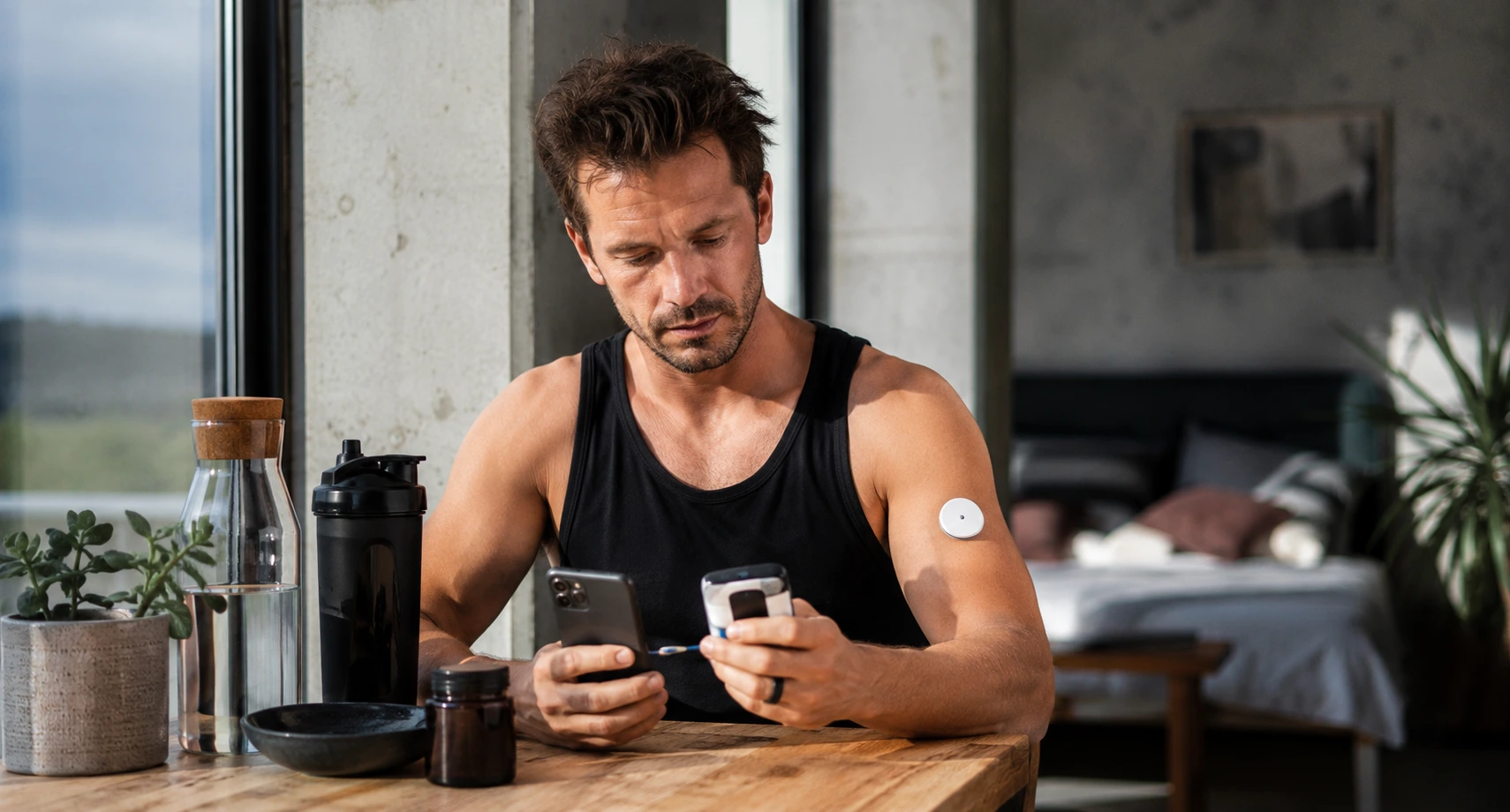
You’re grinding through your day feeling completely drained, bouncing between energy crashes and caffeine crashes, wondering why everyone else seems to have figured out how to actually optimize their biohacking daily routine while you’re just surviving.
Understanding biohacking: what it means for you
Biohacking sounds like something out of a sci-fi movie, but it’s actually way more accessible than you’d think. It’s about taking control of your own biology through deliberate, science-backed tweaks to how you eat, sleep, move, and manage stress. Think of it like this: you’re not trying to become superhuman overnight. Instead, you’re making small, intentional adjustments to your daily habits that compound over time. Maybe you’ve noticed that when you skip breakfast, your afternoon focus tanks. Or that one night of poor sleep throws off your entire week. Biohacking is about identifying these patterns in your own body and then experimenting with solutions. Some young adults start by tracking their energy levels throughout the day to see what actually works for them, rather than just following generic wellness advice. The real power here is personalization. What works for your friend might not work for you, and that’s completely normal. You’re essentially becoming a scientist studying your own life.
- Experiment with intermittent fasting to regulate your metabolism.
- Incorporate adaptogenic herbs like ashwagandha to reduce stress.
- Track your sleep patterns with wearable devices for better rest.
Testing the claims: real experiences with biohacking methods
Here’s where things get real. You’ve probably scrolled past countless before-and-after stories of people who completely transformed their lives through biohacking. But what does that actually look like in practice? Take cold exposure therapy, for example. Some young adults swear that starting their day with a cold shower sharpens their mental clarity and boosts their mood for hours. Others try it once and never again. The key difference isn’t willpower; it’s that their nervous systems respond differently. Then there are the cognitive-enhancing supplements and nootropics that promise laser-sharp focus. Many young professionals report genuine improvements in concentration during demanding work projects. But here’s the honest part: some of these benefits might be placebo, and some might be from the ritual itself rather than the actual substance. The real value comes from honestly tracking what actually changes your energy, mood, and performance. When you keep a simple journal of what you tried and how you felt, patterns emerge that no marketing claim can replicate.
💬 Ready to feel better in 2 minutes?choose where to begin:
Challenges and considerations: weighing the pros and cons
Let’s be real: not every biohacking trend is backed by solid science, and some can actually backfire if you’re not careful. You might read about someone thriving on a restrictive diet, jump in, and end up feeling worse because your body needs different nutrition. Or you could push cold exposure too far and stress your system instead of strengthening it. The biggest mistake young adults make is treating biohacking like an all-or-nothing experiment. You try everything at once, burn out, and then dismiss the whole concept. Another common pitfall is ignoring your individual health conditions. If you have a history of disordered eating, intermittent fasting might trigger unhealthy patterns. If you have anxiety, certain supplements could amplify it. This is why consulting with a healthcare professional before making significant changes isn’t just smart; it’s essential. The supplement industry isn’t as regulated as pharmaceuticals, so quality varies wildly. Some products contain exactly what they claim, while others don’t. The challenge is sifting through hype to find what’s actually evidence-based and what’s just marketing noise.
Sustainable wellness: integrating biohacking into your lifestyle
The real secret to biohacking isn’t finding the perfect hack. It’s building a sustainable system that you can actually maintain for years, not weeks. This means starting small and boring. Yes, boring. A balanced diet with consistent sleep and regular movement might not sound exciting, but these fundamentals are where most of the magic happens. Young adults who successfully integrate biohacking into their lives don’t overhaul everything at once. They pick one or two small changes, stick with them for at least a month, and then assess what actually worked. Maybe you add a 10-minute meditation practice before work. You notice you’re calmer during stressful meetings. Then you add consistent sleep timing. Suddenly your energy is more stable. These aren’t flashy changes, but they compound. The sustainable approach also means being flexible. Life happens. You’ll have weeks where your routine falls apart, and that’s okay. The goal isn’t perfection; it’s building habits resilient enough to bounce back from disruption. When you think of biohacking as a long-term investment in yourself rather than a quick fix, you’re more likely to stick with it.
Explore the world of biohacking to unlock your full potential. By understanding the principles and testing the methods, young adults can make informed decisions to enhance their daily routines. Remember to approach biohacking with caution and prioritize sustainable wellness for long-lasting benefits.
What are some safe biohacking methods for beginners?
Start with simple practices like mindfulness meditation, regular exercise, and mindful eating. These foundational habits can lay the groundwork for more advanced biohacking techniques.
Is biohacking suitable for everyone?
While biohacking can offer benefits to many people, it’s essential to consider individual health conditions and consult with a healthcare provider before diving into new practices.
Others also read:
Disclaimer: This article is for informational purposes only and is not a substitute for professional medical advice. Always consult a healthcare professional for personal guidance.
This article presents an experience-based perspective and has been reviewed by the GlobalHealthBeacon editorial team in 2026. It provides structured, evidence-based information to support informed health decisions.
