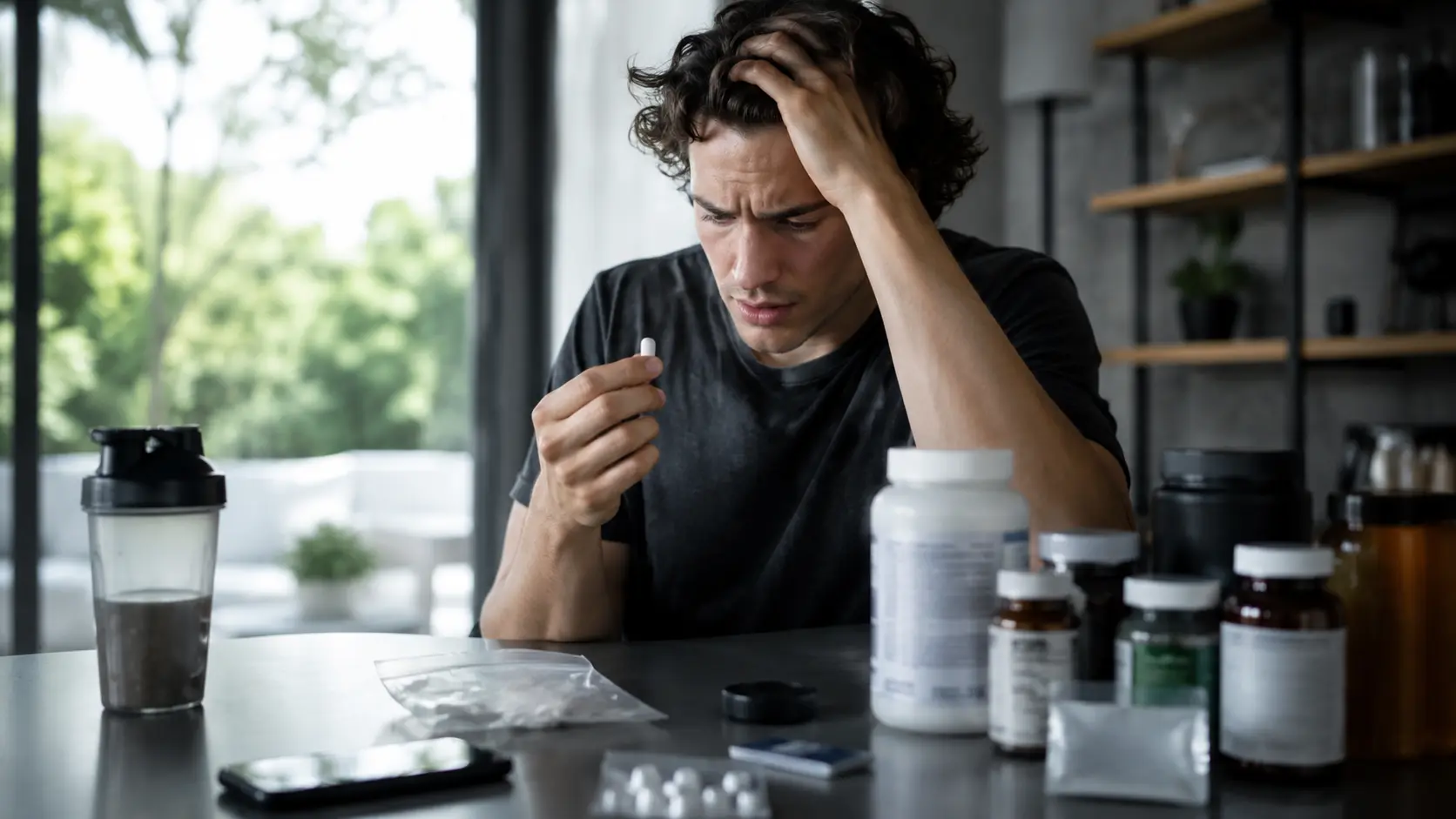
You’re spending money on supplements that do nothing, grinding through workouts that leave you exhausted, and chasing biohacking trends that actually make you feel worse, not better, and the worst part is you have no idea why biohacking mistakes keep derailing your health goals.
Using unverified supplements
The supplement aisle is a minefield, and young adults are walking through it blindfolded. You see a bottle with impressive claims, a few Instagram influencers raving about it, and suddenly it’s in your cart. Here’s what actually happens: you take it for three weeks, feel nothing, and wonder if you wasted money. Or worse, you experience side effects you didn’t anticipate. A common scenario involves someone buying a trendy nootropic stack without checking if it interacts with their antidepressant, or grabbing a fat-burner that contains stimulants they’re sensitive to. The mistake isn’t wanting to optimize, it’s skipping the verification step. Before any supplement enters your body, you need to know what’s actually in it, whether clinical evidence supports the claims, and how it fits your specific health profile. This means reading ingredient lists carefully, checking third-party testing certifications like NSF or USP, and understanding that marketing language like natural or clinically proven can be misleading without context.
- Research the supplement ingredients and potential side effects thoroughly before purchasing.
- Consult a healthcare professional or registered dietitian to ensure compatibility with your health status and medications.
- Avoid falling for marketing hype or unsupported claims related to supplements and verify certifications.
Ignoring personalized biofeedback
Biohacking is not one-size-fits-all, yet most young adults treat it like it is. You read that intermittent fasting works wonders, so you jump into a 16:8 protocol. Your friend swears by cold plunges, so you start dunking yourself in ice water. But your body might respond completely differently. Some people thrive on fasting while others become irritable, unfocused, and metabolically sluggish. Cold exposure can boost resilience for some and trigger anxiety in others. The real biohacking happens when you pay attention to your individual signals: energy levels, mood, digestion, sleep quality, and performance metrics. Track how you actually feel during and after interventions. Notice if a new supplement gives you better focus or makes you jittery. Pay attention to whether that morning run energizes you or leaves you depleted. Keep a simple log for two to three weeks when trying something new. This feedback loop is what separates effective biohacking from expensive experimentation. Your body is constantly communicating, but most people are too busy following someone else’s protocol to listen.
📘 Fix your day in under 2 minuteschoose where to begin:
Overlooking nutritional balance
Tunnel vision around biohacking tactics creates nutritional blind spots. You might obsess over optimizing protein intake or chasing ketosis while completely neglecting micronutrients like magnesium, zinc, or B vitamins. Or you focus so hard on supplements that you forget whole foods contain thousands of compounds that work synergistically. A young adult might spend 200 dollars on a supplement stack while eating processed foods that lack fiber, antioxidants, and phytonutrients. The foundation of any biohacking strategy is a genuinely balanced diet: adequate protein, healthy fats, complex carbs, plenty of vegetables, and consistent hydration. Everything else builds on that. Micronutrient deficiencies can sabotage your efforts silently, causing fatigue, poor recovery, weakened immunity, and brain fog. Before adding another supplement, ask yourself if you’re eating enough leafy greens, colorful vegetables, whole grains, and quality proteins. Biohacking without nutritional balance is like trying to build a house on sand. The flashy tactics get attention, but the fundamentals do the actual work.
Neglecting sleep and recovery
Sleep is where the magic happens, yet young adults treat it like an optional luxury they can sacrifice for productivity or social life. You can optimize everything else perfectly, but without quality sleep, your body cannot adapt, repair, or consolidate learning. Sleep deprivation directly impacts hormone regulation, metabolism, immune function, and cognitive performance. After just one night of poor sleep, your cortisol rises, your insulin sensitivity drops, and your decision-making ability declines. Chronic sleep debt compounds these effects and accelerates aging at the cellular level. Many young adults underestimate recovery because they confuse it with laziness. Recovery is active: it includes sleep, rest days from intense training, stress management, and time for your nervous system to downregulate. A common mistake is ramping up exercise intensity or biohacking interventions while simultaneously cutting sleep to fit more into the day. This creates a deficit that no supplement can fix. Prioritize seven to nine hours of consistent sleep, maintain a regular sleep schedule, and treat rest days as essential to your biohacking protocol, not as failure.
Lacking professional guidance
Biohacking information is everywhere, but not all of it is accurate or appropriate for you. Young adults often piece together strategies from podcasts, Reddit threads, and YouTube videos without considering their individual health context. Someone with a history of disordered eating should approach fasting differently than someone without that background. A person with autoimmune conditions needs different biohacking strategies than a healthy athlete. Without professional guidance, you risk implementing interventions that conflict with your health status, medications, or genetic predispositions. A healthcare provider, registered dietitian, or certified biohacker can assess your baseline, identify realistic goals, and create a personalized roadmap. They can also catch potential interactions or contraindications you might miss. The cost of professional guidance is often less than the cost of trial-and-error biohacking that doesn’t work or causes problems. Start with a consultation to establish your baseline health markers, understand your unique biology, and get a framework for safely experimenting with new interventions.
Biohacking mistakes like using unverified supplements, ignoring personalized biofeedback, overlooking nutritional balance, neglecting sleep and recovery, and lacking professional guidance can derail your health optimization efforts. Understanding these pitfalls helps young adults build sustainable biohacking practices grounded in evidence, self-awareness, and professional support rather than trends and shortcuts.
How can I verify the safety of biohacking supplements?
To verify the safety of biohacking supplements, conduct thorough research on the ingredients, consult healthcare professionals for advice, and avoid products with unsupported claims or unclear origins. Look for third-party testing certifications like NSF, USP, or ConsumerLab to confirm quality and purity.
Why is personalized biofeedback important in biohacking?
Personalized biofeedback is crucial in biohacking as it helps individuals understand how their unique body responds to interventions, allowing them to tailor their practices for optimal results. What works for someone else may not work for you, so tracking your own energy, mood, digestion, and performance is essential for effective optimization.
Disclaimer: This article is for informational purposes only and is not a substitute for professional medical advice. Always consult a healthcare professional for personal guidance.
This guide has been prepared and reviewed by the GlobalHealthBeacon editorial team and reflects current medical research as of 2026. It provides structured, evidence-based information to support informed health decisions.
