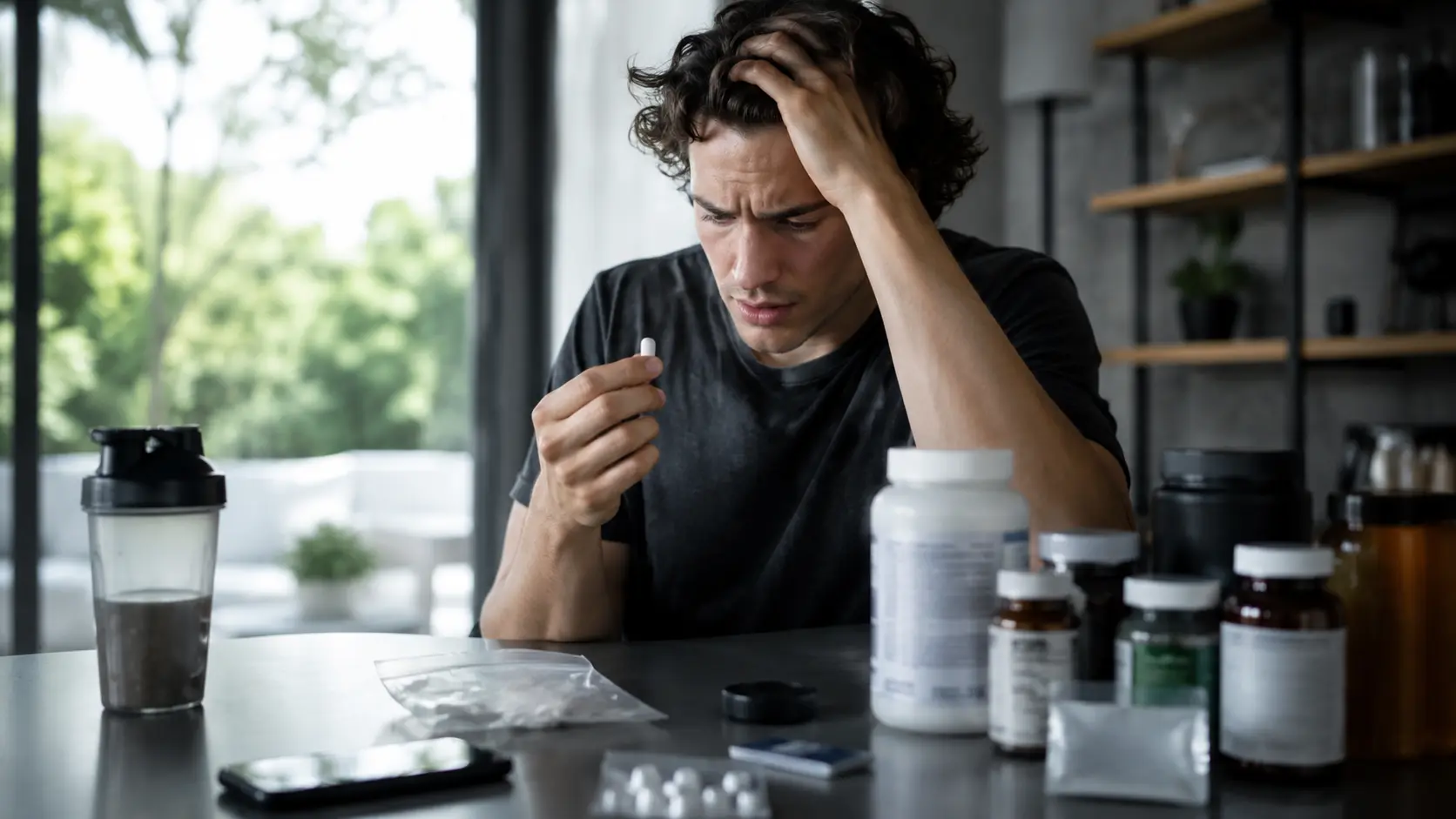
You’re trying everything to feel sharper, stronger, and more energetic, but biohacking mistakes are quietly undermining your health and you don’t even realize it yet.
Understanding biohacking pitfalls
Biohacking represents the practice of experimenting with your own biology to enhance physical performance, mental clarity, and overall wellness. The concept has gained significant traction among older adults seeking to maintain vitality and cognitive function as they age. However, the line between informed self-optimization and risky experimentation is often blurred. Consider the case of Robert, a 68-year-old who began taking high-dose supplements after reading about their benefits online, only to discover months later that they were interfering with his blood pressure medication. Without proper knowledge, guidance, and medical oversight, individuals can inadvertently trigger cascading health problems. The body operates as an intricate system where changes in one area ripple through others. When seniors engage in biohacking without understanding their unique physiology, medication interactions, and existing health conditions, they risk disrupting the delicate balance their bodies have maintained for decades.
Common biohacking mistakes to avoid
The most frequent error seniors make is overlooking their individual biology. Genetic variations, metabolic differences, and decades of accumulated health history mean that what worked for a 45-year-old influencer on social media may actively harm a 70-year-old with arthritis and hypertension. Another critical mistake involves pursuing unproven techniques without scientific evidence. Stem cell injections, unregulated nootropics, and extreme fasting protocols circulate widely online with testimonials but lack rigorous clinical validation. Many seniors also skip consulting healthcare providers before starting biohacking practices, assuming these are harmless experiments. Margaret, 72, began intermittent fasting based on a podcast recommendation without mentioning it to her doctor, only to experience dangerous blood sugar fluctuations because of her diabetes medication. Ignoring professional guidance creates blind spots where harmful interactions go undetected. Additionally, seniors often fail to establish baseline measurements before experimenting, making it impossible to distinguish genuine benefits from placebo effects or coincidental improvements.
Understanding the risks involved
Biohacking carries genuine physiological risks that deserve serious consideration, particularly for older adults whose bodies have less reserve capacity to handle disruptions. The body’s regulatory systems, including hormonal balance, immune function, and metabolic stability, have evolved over decades into a functional equilibrium. Aggressive biohacking can destabilize this equilibrium in ways that take months or years to fully manifest. Nutritional imbalances from extreme dietary protocols can weaken bones, compromise immune response, or trigger nutrient deficiencies that accelerate cognitive decline. Supplement interactions with prescription medications represent another significant danger. Blood thinners, for instance, interact dangerously with high-dose vitamin E or fish oil supplements that many seniors take for heart health. Stress from constant self-monitoring and optimization can elevate cortisol levels, paradoxically worsening the aging process. The long-term consequences of biohacking experiments often remain hidden until serious complications emerge. This is why understanding risks before experimentation begins is not just prudent but essential for protecting your health trajectory.
- 1. Research thoroughly: Before trying any biohacking method, conduct extensive research using peer-reviewed scientific literature and reputable medical sources rather than blogs or social media testimonials. Cross-reference claims across multiple credible sources and look for studies conducted on populations similar to your age group and health profile.
- 2. Consult experts: Seek guidance from your primary care physician, a registered dietitian, or a gerontologist before starting any biohacking protocol. These professionals understand your complete medical history, current medications, and potential interactions that could cause harm. Bring written questions and be specific about what you want to try.
- 3. Monitor effects: Keep a detailed health journal tracking changes in energy, sleep quality, digestion, mood, blood pressure, and any physical symptoms when experimenting with biohacking techniques. Record dates, dosages, and observations so you can identify patterns and catch negative outcomes early before they become serious problems.
🔬 Science-backed benefits in 2 minuteschoose where to begin:
The scientific perspective on biohacking
The scientific community approaches biohacking with cautious skepticism, particularly regarding claims that lack robust clinical evidence. Gerontologists and aging researchers emphasize that the human body, especially in older age, operates through finely tuned regulatory networks developed over a lifetime. These networks include hormonal signaling, immune surveillance, metabolic regulation, and neurological pathways that maintain homeostasis. When biohacking interventions disrupt these systems without proper understanding, the consequences can be severe and sometimes irreversible. Research published in major medical journals consistently warns that seniors face heightened vulnerability to adverse effects from experimental health practices. Their kidneys and livers process substances less efficiently, their immune systems are more reactive to inflammatory triggers, and their bodies recover more slowly from metabolic shocks. A study examining older adults who engaged in unsupervised supplement use found significantly higher rates of medication interactions and adverse events compared to younger populations. Scientists emphasize that while some biohacking strategies have merit when properly implemented under medical supervision, the risks escalate dramatically when seniors pursue these practices independently without professional oversight.
Research-backed tips for safe biohacking
If you choose to explore biohacking, evidence-based practices minimize risk while allowing cautious experimentation. Starting slowly is fundamental. Rather than implementing multiple changes simultaneously, introduce one modification at a time and observe its effects for at least four weeks before adding another. This approach allows you to identify which interventions genuinely benefit you and which cause problems. Nutrition forms the foundation of any safe biohacking approach. Rather than chasing exotic supplements or extreme protocols, focus on nutrient-dense whole foods including colorful vegetables, lean proteins, healthy fats, and fiber-rich grains. These provide bioavailable nutrients your body recognizes and processes efficiently. Staying informed through scientific literature rather than marketing claims protects you from misinformation. Subscribe to reputable health newsletters, follow researchers on social media, and discuss new findings with your healthcare provider. Document your baseline health metrics including blood pressure, weight, sleep quality, and cognitive function before starting any experiment. This creates objective data against which to measure changes rather than relying on subjective impressions that can be influenced by expectation.
Safeguarding your health with biohacking
Protecting your wellbeing while exploring biohacking requires a deliberate, measured approach grounded in evidence and professional guidance. The goal is not to reject all experimentation but to engage in it thoughtfully, with full awareness of your individual risk factors and medical history. Build a healthcare team that supports your interests. This might include your primary care doctor, a registered dietitian, and perhaps a functional medicine practitioner who understands both conventional medicine and evidence-based optimization strategies. Establish clear boundaries for experimentation. Avoid anything that promises dramatic results, requires secrecy from your doctor, or involves substances not approved for human consumption. Trust your body’s signals. If an intervention causes persistent fatigue, digestive upset, mood changes, or other concerning symptoms, stop it immediately and discuss the experience with your healthcare provider. Remember that aging itself is not a disease requiring aggressive intervention. The goal of safe biohacking is supporting your natural health and function, not fighting against the aging process itself. By respecting your body’s complexity and seeking professional guidance, you can explore optimization strategies that genuinely enhance your quality of life without jeopardizing the health you’ve worked to maintain.
Biohacking mistakes can lead to serious health consequences when seniors pursue experimental practices without proper knowledge, medical oversight, and individualized consideration. Success requires thorough research, consultation with healthcare professionals, careful monitoring of effects, and a commitment to evidence-based approaches rather than trendy protocols. By understanding the risks and respecting your body’s unique needs, you can engage safely with health optimization while protecting your wellbeing.
Can biohacking be harmful for seniors?
Yes, biohacking carries genuine risks for seniors, particularly when pursued without medical supervision. Older adults experience medication interactions more readily, process supplements less efficiently, and have less physiological reserve to recover from disruptions to their body’s regulatory systems. Consulting healthcare professionals before beginning any biohacking practice is essential to identify potential dangers specific to your health profile.
How can seniors stay safe while biohacking?
Seniors can protect themselves by researching thoroughly using credible scientific sources, consulting with healthcare providers before starting any protocol, introducing changes slowly one at a time, establishing baseline health measurements, and monitoring their bodies closely for adverse effects. Keeping detailed records of what you try and how your body responds helps identify genuine benefits versus placebo effects and catches problems early.
Others also read:
Disclaimer: This article is for informational purposes only and is not a substitute for professional medical advice. Always consult a healthcare professional for personal guidance.
This article has been prepared and reviewed by the GlobalHealthBeacon editorial team and is based on current medical research and published scientific literature available in 2026. It provides structured, evidence-based information to support informed health decisions.
