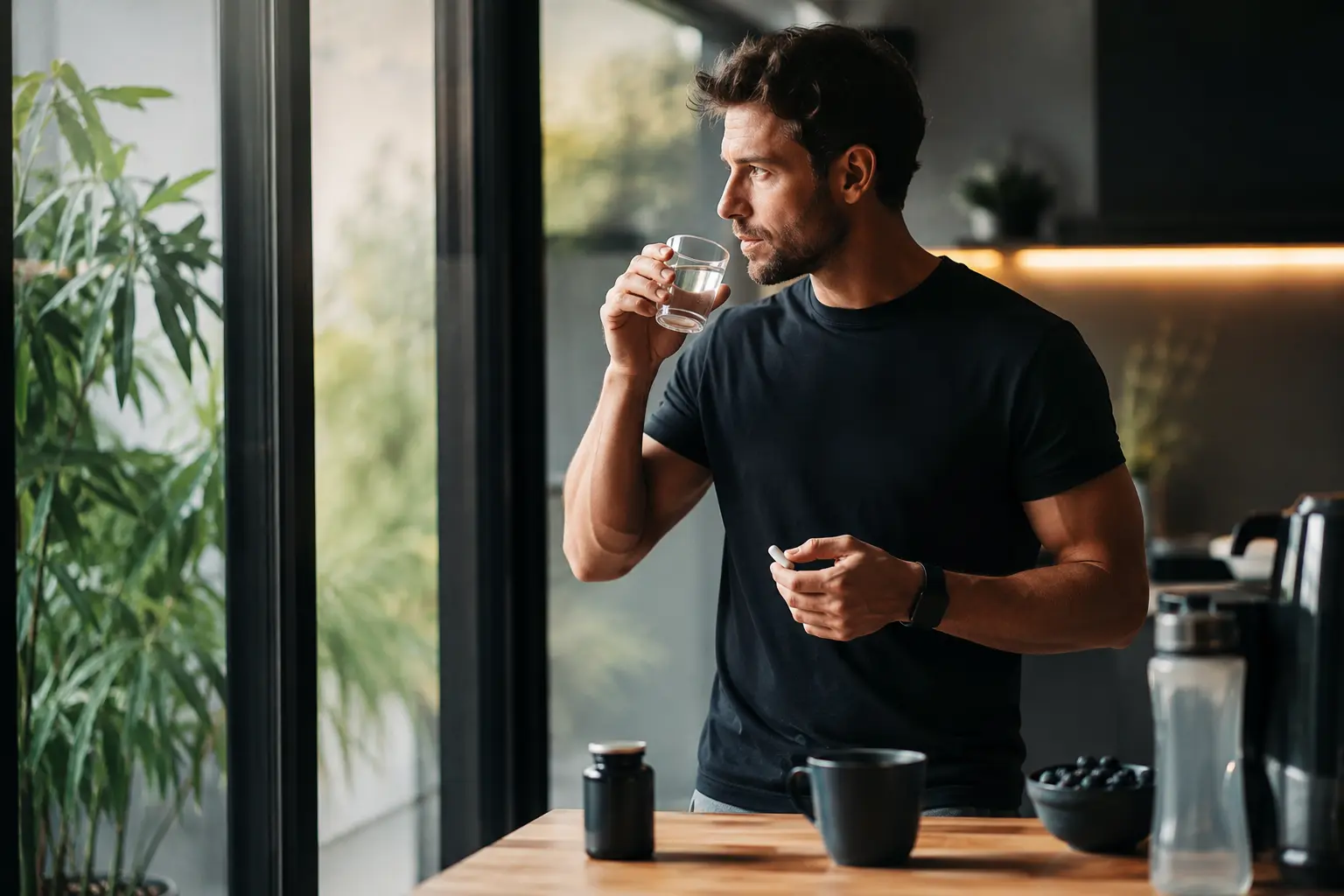
Waking up groggy, dragging through the day, and feeling like your body is working against you instead of for you is exhausting, but biohacking your morning routine with light and movement is the simple reset your aging body has been craving.
The science behind natural light exposure
Your body operates on an internal 24-hour clock called the circadian rhythm, and natural light is the master switch that keeps everything running smoothly. When you step outside in the morning sunlight, light enters your eyes and sends signals directly to your brain’s suprachiasmatic nucleus, the control center for this rhythm. This process tells your body it’s time to wake up, suppresses melatonin production, and triggers the release of cortisol for alertness. For seniors, this becomes increasingly important because the circadian rhythm naturally weakens with age, leading to fragmented sleep and daytime fatigue. A 70-year-old who spends 20 minutes in morning sunlight typically experiences better sleep onset at night, more stable energy throughout the day, and improved mood regulation. Without adequate light exposure, seniors often find themselves napping unpredictably, feeling foggy in the afternoon, and struggling to fall asleep at a reasonable hour, creating a frustrating cycle that affects everything from cognitive sharpness to emotional resilience.
Enhancing cognitive function with movement
When you move your body, you’re not just burning calories or building muscle. Exercise triggers a cascade of neurochemical changes in your brain that directly enhance thinking, memory, and mental clarity. Physical activity increases blood flow to the brain, promotes the growth of new neurons in the hippocampus (the memory center), and stimulates the release of brain-derived neurotrophic factor, a protein essential for brain health. For seniors, this translates into measurable improvements: a 65-year-old who walks regularly shows better performance on memory tests, faster processing speed, and reduced risk of cognitive decline. Activities like tai chi and yoga offer additional benefits by combining movement with balance training and mindfulness, which strengthen neural pathways involved in attention and focus. Many seniors report that after establishing a consistent movement routine, they notice they can follow conversations more easily, remember names better, and feel mentally sharper throughout the day, changes that ripple into improved confidence and social engagement.
Incorporating light and movement into your routine
Building a sustainable routine starts with understanding that small, consistent actions compound over time. Begin by stepping outside within 30 minutes of waking, even on cloudy days, because the light intensity outdoors is significantly stronger than indoor lighting. A practical approach is to combine this with movement: take a 15 to 20-minute walk in the morning light, which addresses both circadian regulation and physical activity in one simple action. If walking feels challenging, sitting on a porch or near a window with morning light while doing gentle stretching achieves similar circadian benefits. Throughout the week, vary your movement to keep things interesting and work different body systems. Monday and Wednesday might be walking days, Tuesday and Thursday could include a gentle yoga class or tai chi session, and weekends might feature a group fitness class or nature outing. The key is removing friction from your routine by planning ahead, laying out comfortable clothes the night before, and identifying a specific time that works with your schedule. Many seniors find that joining a group activity transforms what could feel like a chore into something they genuinely look forward to, adding social connection to the physical and mental health benefits.
- Step outside within 30 minutes of waking for at least 15 to 20 minutes of natural light exposure, even on overcast days, to reset your circadian rhythm and boost morning alertness.
- Combine light exposure with movement by taking a morning walk, doing gentle stretching, or practicing yoga to address multiple health benefits simultaneously.
- Plan your weekly movement schedule in advance, alternating between different activities like walking, group fitness classes, tai chi, or swimming to maintain engagement and work various muscle groups.
- Remove barriers to consistency by preparing comfortable clothing the night before, setting a specific time for your routine, and identifying an accountability partner or group to keep you motivated.
🔬 Science-backed benefits in 2 minuteschoose where to begin:
The importance of regular movement for healthy aging
As you age, your body naturally loses muscle mass at a rate of about 3 to 8 percent per decade after age 30, a process called sarcopenia that accelerates without regular resistance activity. Bone density also declines, particularly in women after menopause, increasing fracture risk from falls. Regular movement directly counters both processes by stimulating muscle protein synthesis and triggering bone-building responses. A 72-year-old who engages in consistent strength training and weight-bearing exercise maintains better balance, has stronger bones, and retains the muscle mass needed for everyday tasks like climbing stairs, carrying groceries, or playing with grandchildren. Beyond the physical changes, movement improves metabolic health, helping regulate blood sugar and supporting cardiovascular function. Seniors who prioritize movement report greater independence, fewer falls, better pain management, and a stronger sense of control over their health. The compounding effect is powerful: someone who starts a movement routine at 65 and maintains it often experiences a dramatically different quality of life at 75 compared to peers who remained sedentary, with better mobility, fewer medical complications, and greater confidence in their physical abilities.
Creating a sustainable health routine
Sustainability comes from meeting yourself where you are, not where you think you should be. Many seniors make the mistake of starting too aggressively, committing to daily intense exercise or rigid schedules that feel overwhelming and lead to burnout within weeks. Instead, begin with small, achievable goals: three 20-minute walks per week, or two gentle yoga sessions plus daily stretching. As these become automatic, gradually add complexity or duration. Your body also needs recovery time, so rest days are not laziness but essential components of adaptation and injury prevention. Pay attention to how you feel, adjusting intensity on days when energy is lower or pain is present. Consistency matters far more than perfection, so missing one day is not failure; what matters is returning to your routine the next day. Many successful seniors track their activities in a simple calendar, finding that visual progress reinforces motivation. Environmental design helps too: lay out walking shoes by the door, schedule group classes on your calendar like appointments, or set phone reminders for your light exposure window. Over weeks and months, these practices become habitual, requiring less willpower and more simply becoming part of who you are.
Optimizing senior health through biohacking
Biohacking your morning routine means working with your biology rather than against it, using evidence-based strategies to amplify your body’s natural capabilities. You now understand that morning light resets your circadian rhythm, improving sleep and energy. You know that movement triggers neurochemical changes enhancing memory and mood while building the muscle and bone density needed for independence. The biohack is simple: combine these two powerful interventions into one morning practice. A 68-year-old who takes a 20-minute walk in morning sunlight is simultaneously optimizing circadian function, boosting cognitive performance, building muscle, strengthening bones, and improving mood. This is not complicated or expensive; it requires no supplements, equipment, or gym membership. What it does require is understanding the why behind the actions, which transforms a vague health goal into a concrete, science-backed strategy. When you grasp how light and movement directly influence your brain chemistry, bone density, sleep quality, and emotional resilience, you stop viewing these practices as optional extras and start seeing them as essential maintenance for the life you want to live.
Optimize your morning routine with natural light exposure and movement to support your body’s circadian rhythm and cognitive function. Consistency is key for seniors to maintain muscle mass, bone density, and overall well-being. By biohacking your routine, you can enhance your health and vitality as you age.
How can natural light exposure benefit seniors?
Natural light exposure helps regulate seniors’ circadian rhythms, improving sleep quality, energy levels, and mood. It’s essential for maintaining the body’s internal clock and overall well-being.
What types of movement are beneficial for seniors?
Seniors can benefit from a mix of cardiovascular, strength, and flexibility exercises. Walking, yoga, and group fitness classes promote cognitive function, muscle strength, and social engagement.
Others also read:
Disclaimer: This article is for informational purposes only and is not a substitute for professional medical advice. Always consult a healthcare professional for personal guidance.
This article has been prepared and reviewed by the GlobalHealthBeacon editorial team and is based on current medical research and published scientific literature available in 2026. It provides structured, evidence-based information to support informed health decisions.
