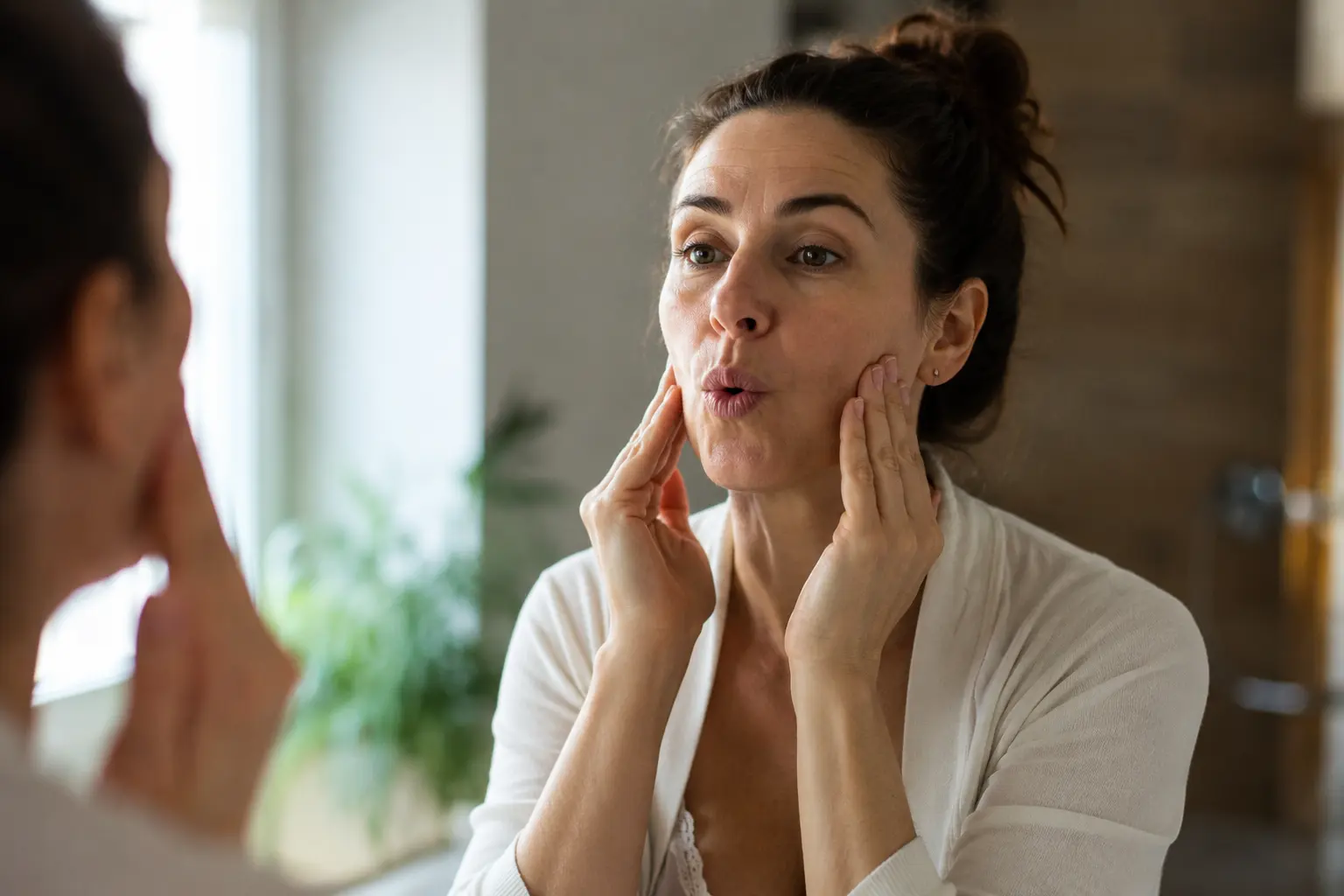
Your skin feels dull, breakouts won’t quit, and nothing you buy seems to work because you’re treating the symptom instead of the cause, but biohacking skin health changes everything by targeting what actually matters.
Understanding skin biohacking
Skin biohacking isn’t about expensive treatments or miracle products. It’s about understanding your skin as a system and making intentional choices that work with your body’s natural processes. Think of it like debugging code: you identify what’s not working, test variables, and optimize based on results. Start by recognizing your skin type, whether that’s oily, dry, combination, or sensitive. Then layer in targeted interventions. A 22-year-old with acne-prone skin might discover that cutting dairy reduces inflammation within weeks, while their friend sees zero change because their breakouts stem from stress or product overload. The key is personalization. You’re not following a generic routine; you’re building one that responds to your unique biology. Track what you change, observe the results, and adjust accordingly. This methodical approach transforms skincare from guesswork into a data-driven practice.
- Identify your skin type to tailor skincare products accordingly
- Incorporate antioxidants like vitamin C and E to combat aging signs
- Stay hydrated by drinking plenty of water throughout the day
Healthy diet for glowing skin
What you eat directly shows up on your face. Your skin cells regenerate constantly, and they need quality building blocks to do it right. Foods rich in omega-3 fatty acids like salmon, walnuts, and flaxseeds reduce inflammation and support your skin barrier. Colorful vegetables packed with antioxidants protect against oxidative stress that ages skin prematurely. Imagine eating a diet heavy in processed foods and sugar: your insulin spikes, triggering inflammation and excess sebum production, which fuels acne. Now flip that. Add berries, leafy greens, and lean proteins. Your skin becomes clearer, more resilient, and naturally glowing. Collagen production increases when you consume vitamin C-rich foods and adequate protein. Hydration matters too, but it starts from within. Drinking water alone won’t fix dehydrated skin if your diet lacks healthy fats. Young adults often skip meals or rely on convenience foods, then wonder why their skin looks tired. Shift to whole foods, and you’ll notice clearer skin, better texture, and fewer breakouts within 3 to 4 weeks.
📘 Fix your day in under 2 minuteschoose where to begin:
Protecting against UV damage
Sun damage is cumulative and irreversible. Every unprotected minute outdoors adds up, causing premature aging, dark spots, and skin cancer risk. This isn’t fear-mongering; it’s biology. UV rays penetrate skin and damage collagen and elastin fibers, the proteins responsible for firmness and elasticity. A 25-year-old who skips sunscreen daily will show visible sun damage by their mid-30s compared to someone who protected consistently. Daily sunscreen with SPF 30 or higher is non-negotiable, even on cloudy days and indoors near windows. Reapply every two hours if you’re outside. Consider a mineral sunscreen with zinc oxide or titanium dioxide for sensitive skin, or a chemical sunscreen if you prefer a lighter feel. Beyond sunscreen, wear protective clothing, hats, and sunglasses when possible. Seek shade during peak UV hours between 10 a.m. and 4 p.m. This single habit prevents more aging than any expensive serum ever could. Think of sunscreen as an investment in your skin’s future, not an optional step.
Stress management for skin health
Stress triggers a cascade of hormonal changes that wreak havoc on skin. When you’re anxious or overwhelmed, your body releases cortisol, which increases oil production, weakens your skin barrier, and flares existing conditions like acne and eczema. You’ve probably noticed breakouts spike during exam week or after a stressful project deadline. That’s not coincidence; it’s your nervous system communicating through your skin. Chronic stress also impairs skin’s ability to heal and regenerate. Adopting a consistent stress-relief practice rewires your nervous system and visibly calms your skin. Meditation, even 10 minutes daily, reduces cortisol and promotes a clearer complexion. Yoga combines movement and breathing, both powerful stress relievers. Deep breathing exercises activate your parasympathetic nervous system, the opposite of fight-or-flight mode. Walking in nature, journaling, or any activity that brings you into the present moment counts. Young adults juggling work, school, and social pressure often neglect this, then blame products for poor skin. Address the root cause. When you manage stress consistently, your skin becomes noticeably calmer, less reactive, and more radiant.
Quality sleep and skincare routine
Sleep is when your body repairs itself, including your skin. During deep sleep, blood flow to skin increases, collagen production ramps up, and your skin barrier strengthens. Skimp on sleep, and your skin becomes dull, inflamed, and more prone to breakouts. Aim for 7 to 9 hours nightly. Establish a consistent bedtime routine that signals to your body it’s time to wind down. This might include dimming lights an hour before bed, avoiding screens, and using a calming skincare ritual. Your nighttime skincare routine should be gentle but purposeful. Cleanse with a mild cleanser to remove the day’s grime, sweat, and bacteria. Apply a hydrating toner or essence. Use targeted serums if you’re addressing specific concerns like acne or aging. Finish with a nourishing moisturizer or night cream that supports your skin barrier while you sleep. This routine takes 5 to 10 minutes but compounds over time. A 23-year-old who commits to consistent sleep and a simple nighttime routine will see clearer, plumper, more youthful skin compared to someone pulling all-nighters and skipping skincare. Your skin doesn’t improve during the day; it improves while you rest.
Skin biohacking means taking control of your skin’s health through intentional choices in skincare, nutrition, stress management, sleep, and sun protection. Start by understanding your unique skin type and needs, then layer in dietary changes like adding antioxidants and healthy fats. Protect yourself from UV damage daily with consistent sunscreen. Manage stress through meditation or movement, prioritize 7 to 9 hours of quality sleep, and develop a simple nighttime skincare routine. These fundamentals work together to create lasting, visible improvements in skin clarity, texture, and radiance.
Can skin biohacking help with acne?
Yes. Acne often stems from multiple factors: diet, stress, hormones, skincare habits, and sleep quality. Biohacking addresses all of these. Start by eliminating potential dietary triggers like dairy or high-glycemic foods, manage stress through daily practices, ensure adequate sleep, and simplify your skincare to avoid irritation. Many young adults see significant acne improvement within 4 to 8 weeks of consistent biohacking, sometimes without prescription treatments.
How long does it take to see results from skin biohacking?
Results vary based on your starting point, skin type, and consistency. Minor improvements like increased hydration or reduced redness can appear within 1 to 2 weeks. More significant changes like clearer skin or reduced acne typically take 4 to 8 weeks. Collagen and elasticity improvements take longer, often 8 to 12 weeks. The key is consistency. Stick with your routine and dietary changes for at least 6 to 8 weeks before evaluating whether adjustments are needed.
Disclaimer: This article is for informational purposes only and is not a substitute for professional medical advice. Always consult a healthcare professional for personal guidance.
This guide has been prepared and reviewed by the GlobalHealthBeacon editorial team and reflects current medical research as of 2026. It provides structured, evidence-based information to support informed health decisions.
