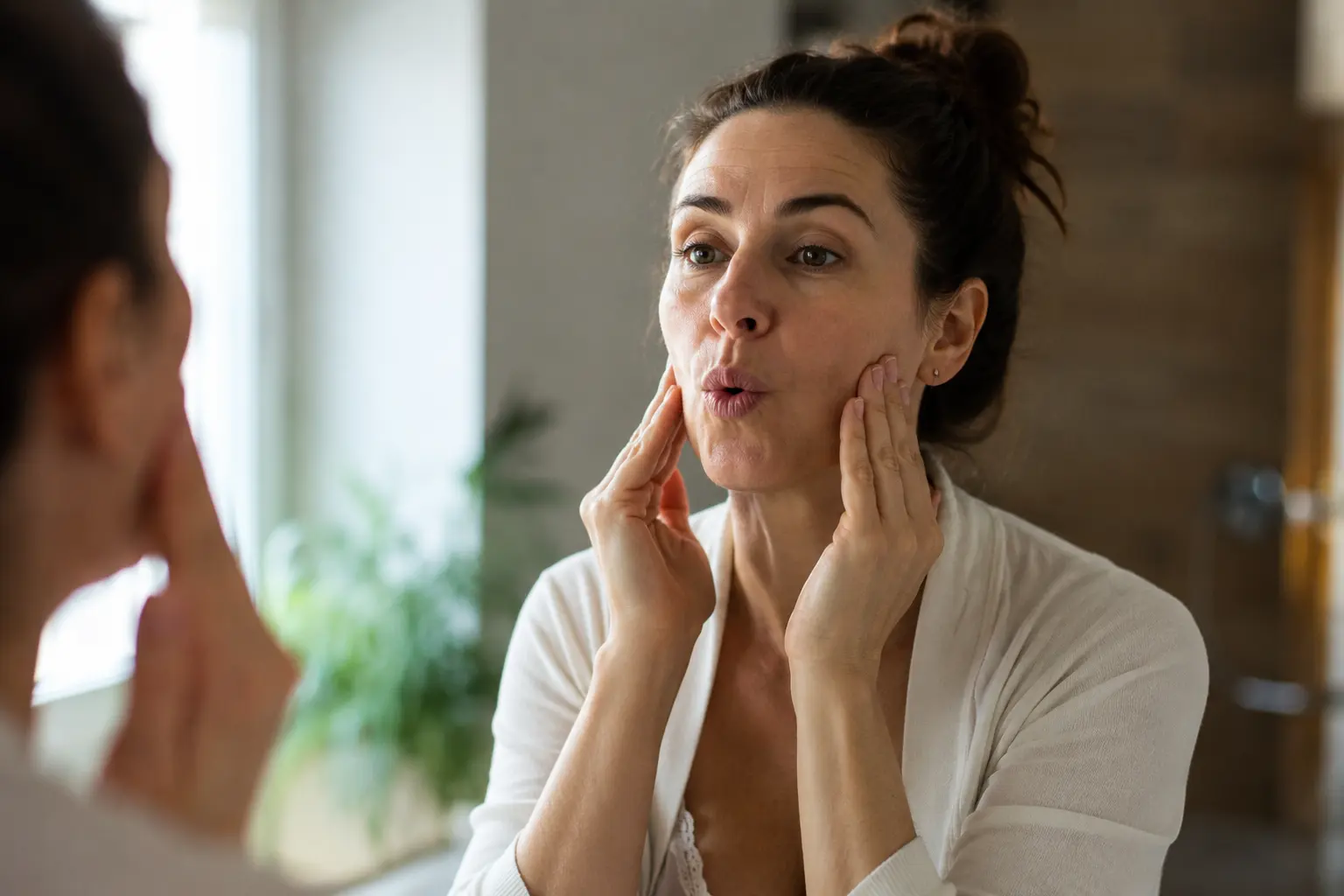
Your skin feels dull, reactive, and nothing you try seems to stick, so what if the answer wasn’t another expensive cream but understanding how to actually biohacking skin health through real science?
Understanding skin biohacking
Skin biohacking represents a shift from passive skincare to active optimization. Rather than simply applying products and hoping for results, this approach involves understanding the biological mechanisms that govern skin function and deliberately working with them. Think of your skin as a complex ecosystem where cells communicate, regenerate, and respond to internal and external signals. When you understand how collagen breaks down, how your skin barrier functions, or why inflammation accelerates aging, you gain the ability to intervene at a cellular level. For example, a woman in her 40s might discover that her dull complexion isn’t just genetics but rather compromised cellular turnover due to sleep deprivation and chronic stress. By addressing these root causes rather than masking symptoms with serums, she’s actually biohacking her skin’s natural renewal process. This scientific foundation transforms skincare from guesswork into informed strategy.
Key factors impacting skin health
Your skin doesn’t exist in isolation. It’s influenced by a web of interconnected factors that work together to determine its appearance and resilience. Genetics set your baseline, but they’re far from destiny. Environmental exposures like pollution, UV radiation, and humidity fluctuations constantly challenge your skin’s protective barrier. Lifestyle choices such as sleep quality, stress management, and movement patterns directly affect inflammation levels and cellular repair capacity. Consider a typical scenario: two women with similar genetics might have vastly different skin outcomes simply because one prioritizes seven to nine hours of sleep while the other regularly sleeps five hours. The sleep-deprived woman experiences elevated cortisol, reduced collagen synthesis, and compromised barrier function. Your skincare routine matters, but it’s just one piece of a much larger puzzle. Understanding this interconnection helps you identify which factors are actually holding your skin back, rather than assuming one product will solve everything.
Effective biohacking practices
Biohacking your skin requires a multi-layered approach that addresses nutrition, hydration, protection, sleep, movement, and stress management simultaneously. Start with antioxidant-rich foods like berries, leafy greens, and fatty fish that provide vitamins C, E, and omega-3 fatty acids your skin cells desperately need for repair and protection. Hydration isn’t just about drinking water, though that matters; it’s about supporting your skin barrier so it can retain moisture effectively. Sun protection becomes non-negotiable because UV damage accumulates silently, triggering collagen breakdown and DNA damage in skin cells long before visible signs appear. A consistent skincare routine tailored to your specific skin type prevents irritation and allows your skin to adapt and improve over time. Quality sleep is when your body releases growth hormone and your skin cells shift into repair mode, making it arguably the most powerful biohacking tool available. Regular physical activity increases blood flow, delivering oxygen and nutrients while flushing out metabolic waste through sweat and improved lymphatic circulation.
- Follow a skincare routine tailored to your skin type, using products that support your skin barrier rather than stripping it, and give each new addition at least four weeks before evaluating results.
- Get sufficient quality sleep by maintaining consistent sleep and wake times, creating a cool dark bedroom, and avoiding screens one hour before bed, since sleep is when your skin cells repair and regenerate most actively.
- Engage in regular physical activity for at least 150 minutes weekly to promote blood circulation, reduce inflammation, and support the lymphatic system that helps eliminate toxins and supports skin health.
🔬 Science-backed benefits in 2 minuteschoose where to begin:
Nutrition and skin health
What you eat directly influences your skin’s appearance because nutrients are the raw materials your body uses to build and repair skin cells. A diet rich in colorful fruits and vegetables provides antioxidants like vitamin C, beta-carotene, and polyphenols that neutralize free radicals before they damage skin cells. Healthy fats from avocados, nuts, seeds, and fatty fish supply essential fatty acids that maintain your skin barrier’s integrity and reduce inflammation. Protein provides amino acids needed for collagen and elastin synthesis. Imagine a woman who switches from processed foods to whole foods and notices within six weeks that her skin texture improves, breakouts decrease, and her complexion appears brighter. This isn’t coincidence. Her cells are finally receiving the nutrients they need to function optimally. Antioxidants deserve special attention because they’re your skin’s defense against oxidative stress, the process that accelerates aging and contributes to conditions like acne and rosacea. By prioritizing nutrient-dense foods, you’re essentially feeding your skin from the inside out, supporting the biological processes that maintain youthful, resilient skin.
Exercise and skin biohacking
Physical activity is a powerful biohacking tool that affects your skin through multiple mechanisms simultaneously. When you exercise, your heart pumps blood more efficiently, delivering oxygen and nutrients to skin cells while removing metabolic waste products. This increased circulation gives skin a natural glow that no highlighter can replicate. Exercise also reduces cortisol, the stress hormone that triggers inflammation and can worsen acne, rosacea, and other skin conditions. A woman who adds three weekly workout sessions might notice that her skin becomes clearer, her complexion appears more even, and her overall skin texture improves within four to six weeks. The mechanism is straightforward: movement supports detoxification through sweat, reduces systemic inflammation, improves sleep quality, and enhances mood through endorphin release. However, the key is consistency and choosing activities you actually enjoy, whether that’s walking, yoga, swimming, or strength training. The best exercise for your skin is the one you’ll actually do regularly, because sporadic intense workouts followed by weeks of inactivity won’t deliver sustained benefits.
Final thoughts on skin biohacking
Skin biohacking isn’t about perfection or following rigid rules. It’s about understanding your unique skin, identifying which factors most influence its health, and making strategic adjustments based on science rather than marketing claims. The women who see the most dramatic improvements are those who approach skin health as a system rather than a problem to be masked. They recognize that their skin reflects their overall lifestyle, stress levels, nutrition, sleep quality, and environmental exposures. They experiment thoughtfully, changing one variable at a time so they can actually identify what works for their individual biology. They understand that results take time because skin cells have a roughly 28-day turnover cycle, meaning meaningful changes require at least four to eight weeks of consistent effort. Most importantly, they approach their skin with curiosity and self-compassion rather than frustration. By implementing evidence-based strategies tailored to your specific situation, you’re not just improving your skin’s appearance; you’re supporting your skin’s biological capacity to protect, repair, and regenerate itself.
Skin biohacking involves leveraging scientific knowledge to enhance skin health naturally. Key factors like nutrition, hydration, sun protection, and lifestyle choices play a significant role in optimizing skin health.
How does nutrition impact skin biohacking?
Nutrition provides essential nutrients like antioxidants that protect skin cells from oxidative stress and premature aging. A diet rich in fruits, vegetables, and healthy fats supports skin health.
Why is sun protection essential for skin biohacking?
Consistent sun protection helps prevent UV damage, which can lead to premature aging, pigmentation, and skin cancer. It is crucial for maintaining skin health and preventing skin damage.
Others also read:
Disclaimer: This article is for informational purposes only and is not a substitute for professional medical advice. Always consult a healthcare professional for personal guidance.
This article has been prepared and reviewed by the GlobalHealthBeacon editorial team and is based on current medical research and published scientific literature available in 2026. It provides structured, evidence-based information to support informed health decisions.
