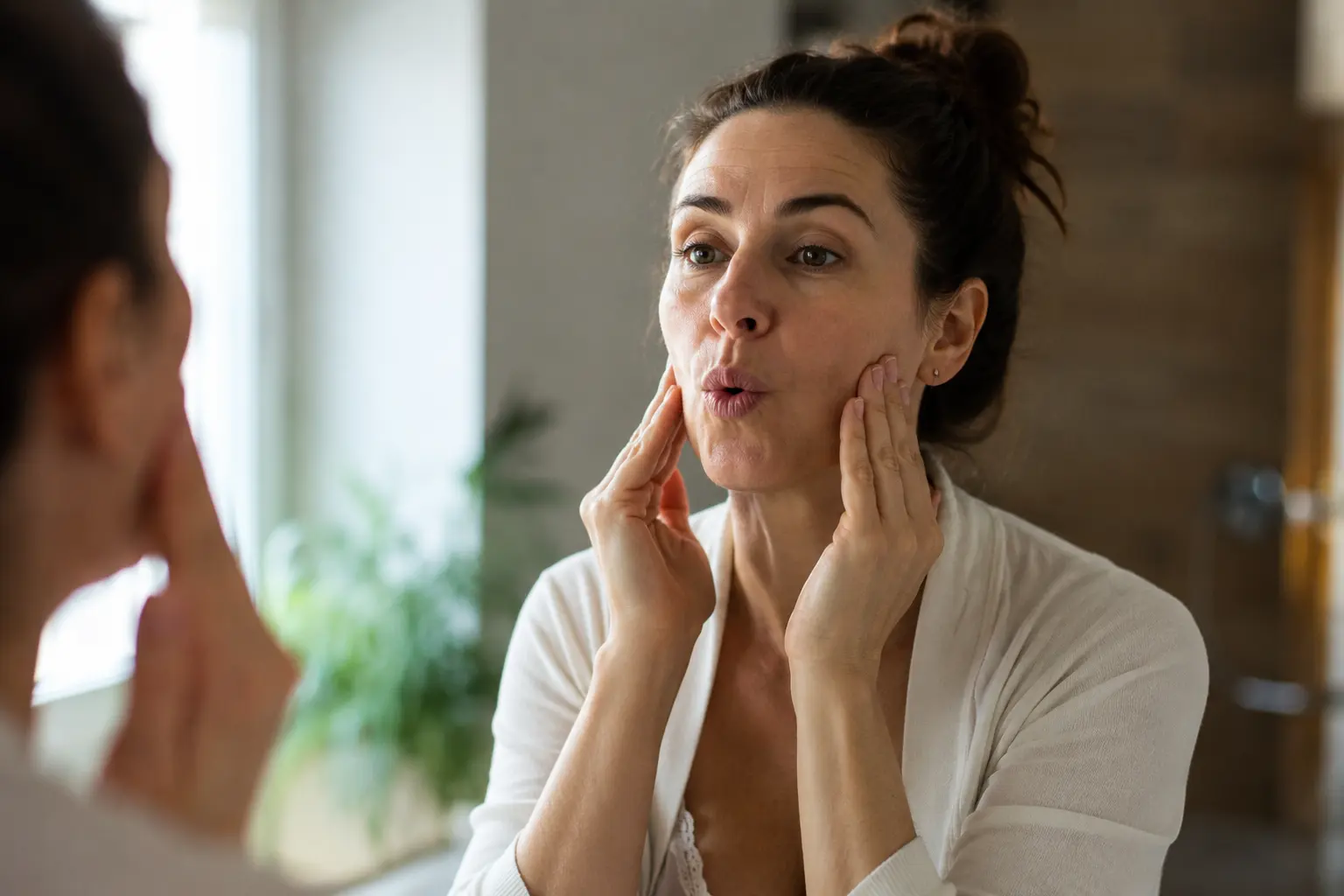
Your skin feels thin, spotted, and loose in ways you never expected, but what if the answer isn’t expensive treatments or resignation to aging, but rather understanding and biohacking skin health from the inside out?
The science behind skin aging
As we move through our sixties, seventies, and beyond, our skin tells the story of time in ways both visible and invisible. The biological reality is straightforward: collagen production, which gives skin its firmness and bounce, naturally declines by about 1 percent each year after age 20. By the time you reach 60, you’ve lost roughly 40 percent of your skin’s collagen foundation. Elastin, the protein responsible for skin’s ability to snap back, also degrades. Meanwhile, the outer layer of skin becomes thinner, and the natural oils that keep skin supple diminish. Environmental factors compound these changes. Decades of sun exposure, pollution, and oxidative stress from free radicals accumulate in your skin cells. You might notice this as age spots, fine lines that deepen into wrinkles, a loss of that plump, dewy quality you once had, and an overall dullness that no amount of sleep seems to fix. Understanding these mechanisms isn’t depressing; it’s empowering. Once you know what’s happening at the cellular level, you can make informed choices about how to support your skin’s health.
Natural ingredients for skin health
The skincare aisle can feel overwhelming, but certain ingredients have genuine scientific backing for supporting aging skin. Hyaluronic acid, for instance, is a humectant that can hold up to 1000 times its weight in water, drawing moisture into the skin and plumping fine lines from within. A 65-year-old woman who added a hyaluronic acid serum to her routine might notice that her skin feels softer and looks less creased within weeks, simply because the cells are better hydrated. Vitamin C is another powerhouse. It’s an antioxidant that neutralizes free radicals and stimulates collagen synthesis, meaning it actively encourages your skin to produce more of what it’s lost. Retinol, a form of vitamin A, works by increasing cell turnover and promoting collagen remodeling, though it requires patience and careful introduction since it can cause irritation. Peptides are short chains of amino acids that signal your skin to produce more collagen and elastin. Niacinamide strengthens the skin barrier, reduces inflammation, and can improve the appearance of enlarged pores. The key is consistency and realistic expectations. These ingredients work best when used regularly over months, not days.
Key steps for skin biohacking
Biohacking your skin means treating it as a system that responds to multiple inputs. Hydration is foundational. When you drink adequate water, you’re not directly hydrating your skin cells, but you’re supporting your body’s ability to maintain moisture balance and deliver nutrients through the bloodstream. Most seniors benefit from drinking half their body weight in ounces of water daily, though individual needs vary. Sun protection is non-negotiable. UV damage is cumulative and irreversible. A broad-spectrum SPF 30 or higher applied daily, even on cloudy days and indoors near windows, prevents further damage and allows existing damage to heal. Your skincare routine should be simple and consistent. Cleanse gently with a cream or oil-based cleanser that doesn’t strip the skin, apply targeted treatments like serums or retinol, moisturize with a product suited to your skin type, and use sunscreen. Consistency matters more than complexity. A 70-year-old who uses the same three products every morning and night will see better results than someone who constantly switches products chasing the latest trend. Finally, consider your skin’s microbiome. Harsh products and over-cleansing disrupt the beneficial bacteria on your skin’s surface, leading to irritation and sensitivity. Gentleness is a biohack in itself.
- Stay hydrated by drinking adequate water daily, adjusted to your body weight and activity level
- Protect your skin from UV damage by using broad-spectrum sunscreen daily, even indoors
- Follow a consistent, simple skincare routine with gentle products formulated for mature skin
🔬 Science-backed benefits in 2 minuteschoose where to begin:
Nutrition and skin health
Your skin is a reflection of what you eat. A diet rich in antioxidants like berries, dark leafy greens, and colorful vegetables provides polyphenols and vitamins that fight oxidative stress at the cellular level. Omega-3 fatty acids from fatty fish, walnuts, and flaxseeds support the skin barrier and reduce inflammation, which is especially important since aging skin is often in a state of chronic low-grade inflammation. Vitamin E, found in nuts and seeds, works synergistically with vitamin C to protect against free radical damage. Collagen-supporting nutrients include vitamin C, zinc, and copper, all of which are cofactors in collagen synthesis. A 68-year-old man who shifted his diet to include more salmon, berries, and leafy greens might notice his skin looks more radiant and feels less dry within weeks. Bone broth, rich in amino acids and collagen, has become popular among those interested in skin health, though the collagen itself is broken down during digestion and doesn’t directly become skin collagen. What matters is providing your body with the building blocks it needs. Limiting sugar and refined carbohydrates is equally important, as high blood sugar triggers glycation, a process that damages collagen and elastin fibers, accelerating visible aging.
Exercise and skin benefits
Movement is a powerful biohack for skin health. When you exercise, your heart rate increases, blood flow improves, and oxygen and nutrients are delivered more efficiently to skin cells. This increased circulation gives skin a natural flush and glow, which is why people often look radiant after a workout. Beyond the immediate effect, regular exercise stimulates the production of human growth hormone and increases BDNF (brain-derived neurotrophic factor), both of which support cellular repair and collagen production. A 72-year-old woman who started walking for 30 minutes five times a week might notice her skin texture improves and her complexion becomes more even over months. Exercise also reduces cortisol, the stress hormone that can trigger inflammation and skin issues like rosacea or acne. It improves sleep quality, and sleep is when your body ramps up collagen synthesis and cellular repair. The type of exercise matters less than consistency. Whether it’s brisk walking, swimming, yoga, or strength training, what counts is moving your body regularly. Even moderate activity is beneficial. The combination of improved circulation, hormone balance, stress reduction, and better sleep creates a synergistic effect on skin health that no topical product alone can replicate.
Healthy habits for skin maintenance
Sleep is when your skin does its deepest repair work. During deep sleep, blood flow to the skin increases, collagen is synthesized, and cellular turnover accelerates. Chronic sleep deprivation impairs this process and increases cortisol, leading to more visible signs of aging. Aiming for 7 to 9 hours of quality sleep is a foundational biohack. Stress management is equally critical. Chronic stress elevates cortisol, which triggers inflammation, breaks down collagen, and can exacerbate skin conditions. A 70-year-old who practices meditation, spends time in nature, or engages in hobbies they enjoy is actively supporting their skin health. Smoking is perhaps the most damaging habit for skin. It depletes vitamin C, impairs collagen production, and causes premature wrinkles and a grayish complexion. Quitting at any age improves skin health. Limiting alcohol is also wise, as alcohol dehydrates the skin and impairs the liver’s ability to process toxins. Managing inflammation through stress reduction, adequate sleep, and an anti-inflammatory diet creates the conditions for your skin to thrive. These habits work together as a system. Someone who sleeps well, manages stress, doesn’t smoke, and eats nutritiously will see dramatically better skin outcomes than someone relying solely on expensive creams.
Understanding the science of skin aging and incorporating natural ingredients, a balanced diet, regular exercise, and healthy habits can help optimize your skin health as you age.
Is biohacking safe for seniors?
Biohacking skin health with natural methods and ingredients is generally safe for seniors, but it’s essential to consult with a dermatologist before trying new products or treatments, especially if you have sensitive skin, rosacea, or are taking medications that affect skin sensitivity.
How long does it take to see results from skin biohacking?
Results from skin biohacking can vary depending on individual skin characteristics and the specific techniques used. Consistent efforts over time are key to achieving visible improvements in skin health. Most people notice subtle changes within 4 to 8 weeks, with more significant improvements visible after 3 to 6 months of consistent practice.
Others also read:
Disclaimer: This article is for informational purposes only and is not a substitute for professional medical advice. Always consult a healthcare professional for personal guidance.
This article has been prepared and reviewed by the GlobalHealthBeacon editorial team and is based on current medical research and published scientific literature available in 2026. It provides structured, evidence-based information to support informed health decisions.
