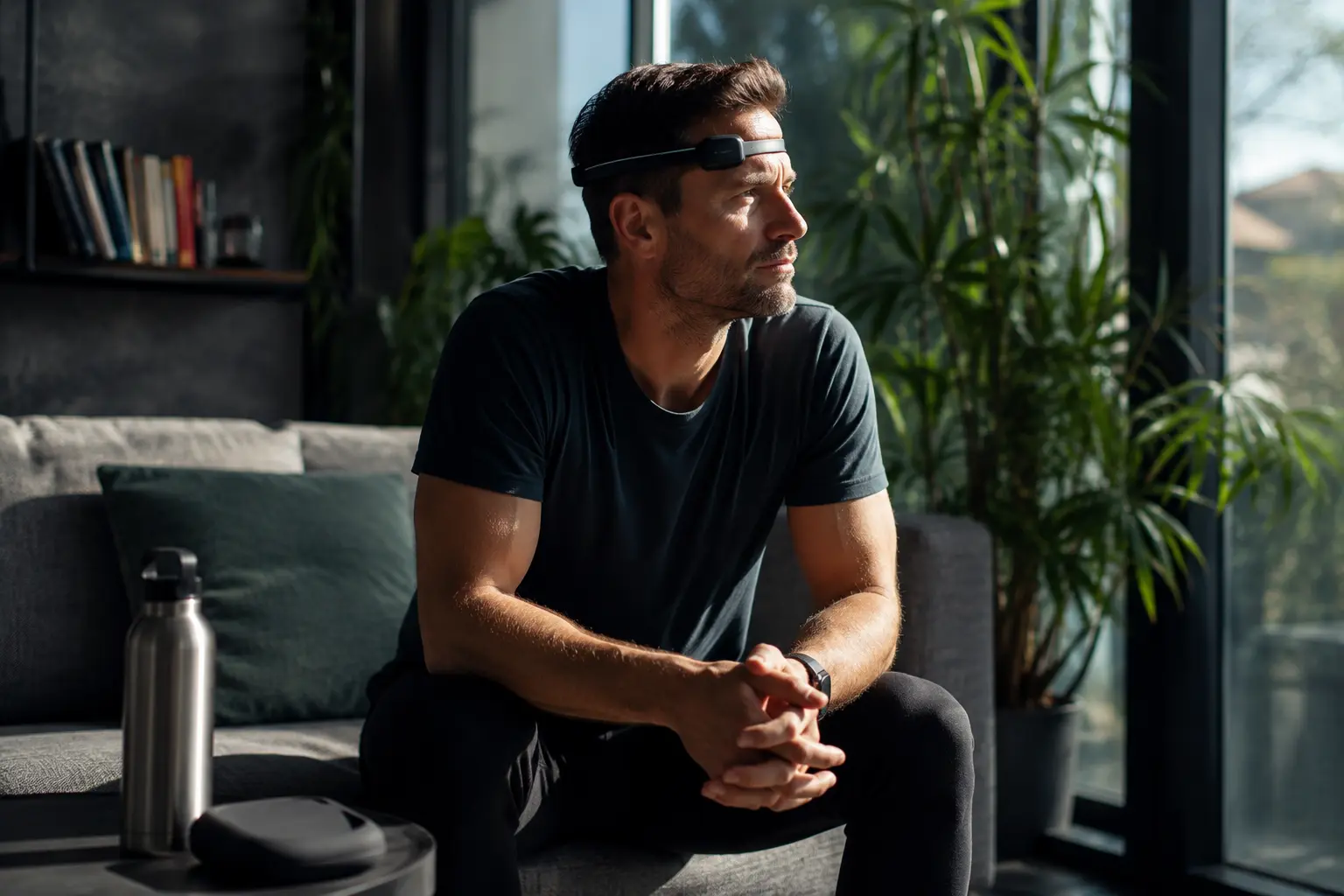
Your chest tightens, your mind races at 3am, and you feel like you’re drowning in obligations that never stop coming, but biohacking stress recovery is how young adults are finally taking back control and actually feeling human again.
Understanding the biohacking approach to stress recovery
Biohacking stress recovery isn’t some complicated science experiment you need a lab coat for. It’s about understanding that your body and mind respond to stress in predictable ways, and you can actually hack those responses. Think of it like this: when you’re stressed, your cortisol spikes, your sleep suffers, and your mood tanks. But what if you could intercept that cycle before it spirals? That’s biohacking. Young adults are discovering that by making intentional tweaks to their lifestyle, diet, and daily habits, they can essentially reprogram how their body handles pressure. Maybe it’s swapping your afternoon energy drink for a walk, or adding magnesium-rich foods to your meals, or building a 10-minute meditation into your morning. These aren’t massive overhauls. They’re strategic interventions that compound over time, turning you from someone who feels constantly overwhelmed into someone who actually handles stress with a bit more grace.
- Implementing mindfulness practices to promote relaxation and reduce anxiety levels.
- Adopting a healthy diet rich in nutrients that support mental health and emotional balance.
- Incorporating regular exercise to boost endorphin levels and improve overall mood.
Exploring the role of sleep in stress management
Here’s the brutal truth: you can’t biohack your way out of sleep deprivation. Sleep is where the real magic happens. When you’re sleeping, your brain is literally processing and consolidating the day’s stress, your nervous system is downshifting, and your body is rebuilding itself. But most young adults treat sleep like an inconvenience, something to sacrifice for productivity. Then they wonder why they’re anxious and irritable. One common scenario: you’re stressed about work, so you stay up late trying to solve problems, which tanks your sleep, which makes you more stressed, which makes sleep even harder. It’s a vicious loop. Prioritizing quality sleep means creating actual boundaries around bedtime, not just saying you’ll sleep more. It means your bedroom is cool and dark, your phone is across the room, and you’re not scrolling through social media an hour before bed. When you nail sleep consistency, your stress resilience naturally improves because your nervous system has had time to recover.
💬 Ready to feel better in 2 minutes?choose where to begin:
Harnessing the power of nature for stress relief
There’s something about being outside that your nervous system just understands, even if your busy brain doesn’t want to admit it. Young adults are rediscovering what their grandparents knew intuitively: nature is medicine. Spending 20 minutes in a park, hiking a trail, or even sitting under a tree genuinely changes your physiology. Your cortisol drops, your heart rate slows, and the constant mental chatter quiets down. One young professional shared how she went from checking emails during her lunch break to taking a 15-minute walk in the nearby park, and suddenly her afternoons felt manageable instead of suffocating. It doesn’t have to be elaborate. You don’t need a weekend mountain retreat, though that’s nice. A daily walk, tending to plants, or sitting outside with your coffee counts. The key is consistency and actually being present, not just physically there while mentally still at your desk. Nature acts as a reset button that helps you remember there’s a world beyond your stress.
Embracing mindfulness practices for stress resilience
Mindfulness gets thrown around a lot, and honestly, it can sound intimidating. But it’s really just the practice of paying attention to what’s happening right now instead of spiraling about what might happen next. Young adults are finding that even five minutes of focused breathing or a short meditation can shift their entire nervous system state. Imagine you’re in a stressful meeting and you feel panic rising. Instead of white-knuckling through it, you take three deep breaths, feel your feet on the ground, and suddenly you’re present again instead of in your anxious thoughts. That’s mindfulness. The beautiful part is it’s a skill you can practice anywhere: in your car before work, during your lunch break, or lying in bed before sleep. Yoga, meditation apps, breathing exercises, even mindful walking all count. The consistency matters more than the perfection. When you regularly practice bringing your attention back to the present moment, you’re literally rewiring how your brain responds to stress, building what neuroscientists call emotional resilience.
Biohacking stress recovery offers a holistic approach to combating the effects of stress through lifestyle modifications, dietary interventions, and targeted activities. By prioritizing sleep, connecting with nature, and embracing mindfulness practices, individuals can enhance their resilience and reclaim control over their well-being.
How quickly can I expect to see results from biohacking stress recovery techniques?
The timeline for experiencing positive effects from stress recovery biohacking varies from person to person. Consistency and commitment to implementing these techniques are key factors in achieving tangible improvements in stress levels and overall well-being.
Is biohacking stress recovery suitable for individuals of all ages?
Biohacking stress recovery techniques can be beneficial for individuals of all ages, including young adults. By customizing strategies to fit individual needs and preferences, individuals can effectively manage stress and enhance their overall quality of life.
Others also read:
Disclaimer: This article is for informational purposes only and is not a substitute for professional medical advice. Always consult a healthcare professional for personal guidance.
This article presents an experience-based perspective and has been reviewed by the GlobalHealthBeacon editorial team in 2026. It provides structured, evidence-based information to support informed health decisions.
