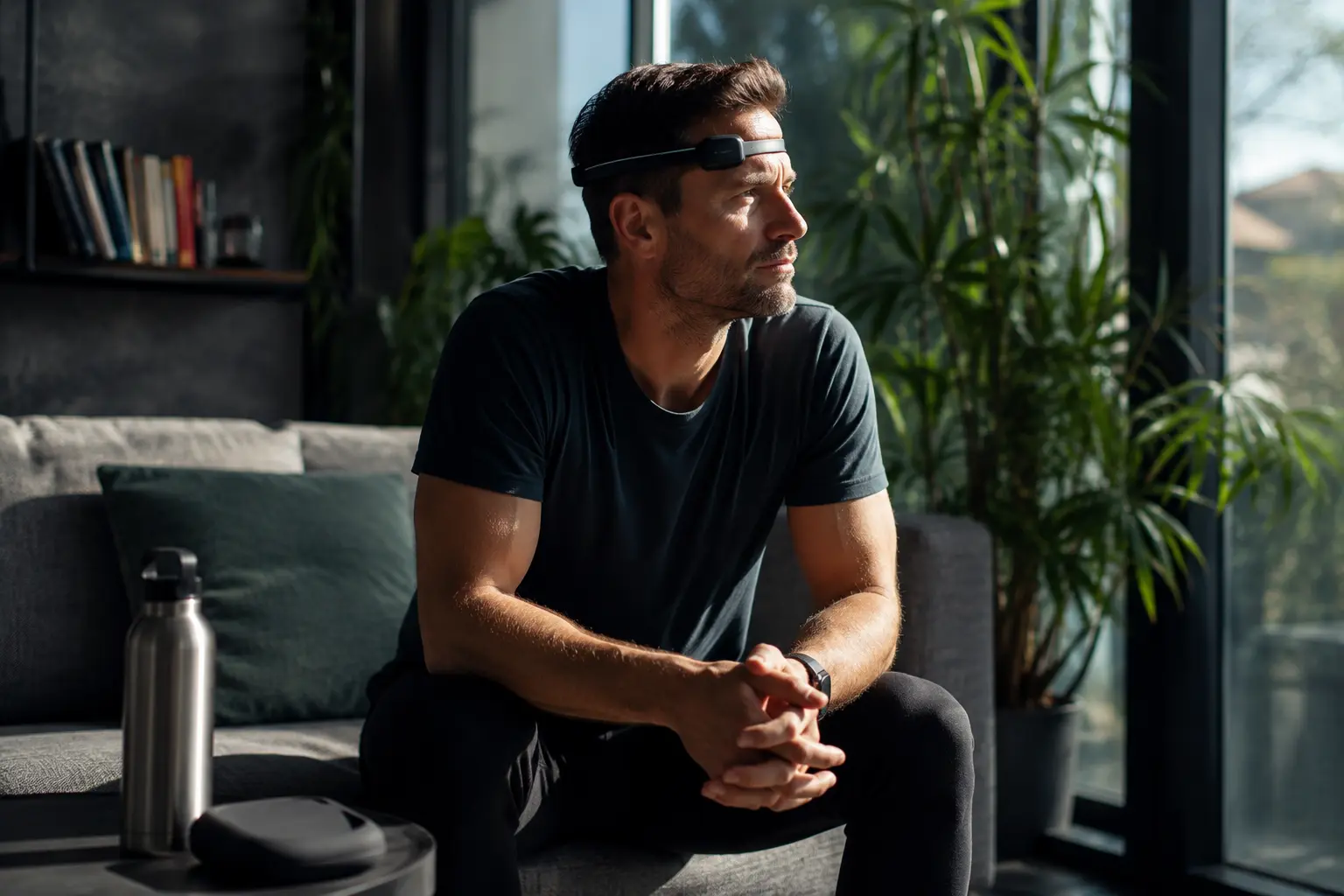
Your chest tightens, your mind races at 3 AM, and you feel like you’re running on fumes while everyone expects you to keep it together, but biohacking stress recovery is how you actually take your life back.
Understanding stress and biohacking
Stress isn’t just something you feel in your mind. When you face a deadline, conflict, or even just the accumulated pressure of daily responsibilities, your body releases cortisol and adrenaline. These hormones prepare you for fight or flight, which was useful when our ancestors faced physical threats. But today, chronic stress keeps these hormones elevated for weeks or months, leading to exhaustion, weakened immunity, and difficulty concentrating. Biohacking takes this understanding further. Instead of accepting stress as inevitable, biohacking means you actively intervene in your biological processes to build resilience. Think of it like upgrading your body’s operating system. A woman managing a career, family, and personal goals isn’t broken if she feels overwhelmed. She simply needs to optimize how her nervous system responds to demands. Biohacking stress recovery gives you concrete, science-backed tools to do exactly that.
Nutritional biohacks for stress recovery
Your diet directly influences how your body handles stress. Magnesium, for instance, helps regulate your nervous system and is often depleted when you’re under chronic stress. Foods like spinach, pumpkin seeds, and almonds replenish this mineral. Vitamin C supports your adrenal glands, which produce stress hormones, so citrus fruits, bell peppers, and broccoli become more than just healthy choices. Omega-3 fatty acids found in salmon, walnuts, and flaxseeds reduce inflammation triggered by stress and support brain function. A practical example: instead of reaching for coffee and a pastry when stress hits mid-morning, try a handful of almonds with an orange. You avoid the blood sugar spike that amplifies anxiety, and you’re actually feeding your stress-response system what it needs. Common mistake? Women often skip meals or rely on processed foods when busy, which depletes nutrients faster and makes stress feel more intense. Small dietary shifts, sustained over weeks, create measurable changes in how calm and focused you feel.
Effective stress-relieving activities
Movement and creative expression aren’t luxuries when you’re stressed. They’re biological necessities. Exercise triggers endorphin release, your brain’s natural mood elevators, while also metabolizing excess stress hormones. A 30-minute walk isn’t just time away from your to-do list. It’s your nervous system actively downshifting from high alert. Mindfulness practices like meditation train your attention, making you less reactive to stressors. Even 10 minutes daily rewires neural pathways associated with anxiety. Creative outlets like painting, gardening, or writing activate different brain regions than those engaged by work stress, giving your mind genuine rest. Consider Sarah, a marketing director who felt constantly on edge. She started a small herb garden on her balcony. The act of tending plants, watching growth, and harvesting something she grew shifted her sense of control and purpose. Within weeks, her sleep improved and she felt less reactive to workplace conflicts. The key is consistency and choosing activities you actually enjoy, not ones you think you should do.
- Practice deep breathing exercises for 10 minutes daily, focusing on exhales longer than inhales to activate your parasympathetic nervous system.
- Allocate at least 30 minutes for physical activity every day, whether walking, dancing, swimming, or any movement that feels natural to you.
- Set aside time for a creative outlet to express emotions, such as journaling, painting, gardening, or crafting without judgment or perfection.
🔬 Science-backed benefits in 2 minuteschoose where to begin:
Quality sleep as a stress recovery biohack
Sleep is when your body repairs itself and processes emotional experiences. During deep sleep, your brain consolidates memories and clears metabolic waste that accumulates during waking hours. Chronic stress disrupts this process, creating a vicious cycle where poor sleep increases stress sensitivity, which worsens sleep. Biohacking sleep means treating it as non-negotiable. A consistent sleep schedule trains your circadian rhythm, making it easier to fall asleep and wake refreshed. A relaxing bedtime routine signals your body that sleep is coming. This might include dimming lights an hour before bed, avoiding screens, or taking a warm bath. Your sleep environment matters too. A cool, dark, quiet room supports deeper sleep than a warm, bright space. Many women underestimate how much their stress levels depend on sleep quality. When you prioritize sleep, you’re not being lazy. You’re actively rebuilding your stress resilience at the biological level, making everything else feel more manageable.
The impact of social connections on stress
Humans are social creatures, and isolation amplifies stress while connection buffers it. When you talk through a problem with someone you trust, your nervous system literally calms down. This isn’t just emotional comfort. Meaningful conversation reduces cortisol levels and activates your parasympathetic nervous system. Group activities, whether a fitness class, book club, or coffee with friends, provide both social connection and often physical activity or mental engagement. Many women struggle to prioritize relationships when stressed, telling themselves they don’t have time. But this is backwards. Time with people who understand you isn’t a luxury. It’s stress medicine. A woman who feels isolated carries her stress alone, which intensifies it. One who has even one person she can be vulnerable with experiences measurable reductions in anxiety and better overall health. Nurturing relationships, even brief check-ins with friends, is a direct investment in your stress recovery system.
Mind-body techniques for stress relief
Yoga, tai chi, and meditation bridge the gap between your thoughts and your physical state. These practices have been studied extensively and consistently show reductions in cortisol, blood pressure, and anxiety markers. Yoga combines movement, breathing, and body awareness, making it especially effective for women who carry stress in their shoulders and neck. Tai chi’s slow, flowing movements calm your nervous system while improving balance and coordination. Meditation trains your attention and creates space between a stressful thought and your reaction to it. You don’t need to be flexible or experienced to benefit. A beginner’s yoga class or a guided meditation app provides the same nervous system benefits as advanced practice. The consistency matters more than the intensity. Even 15 minutes of yoga three times weekly creates noticeable shifts in how you respond to stress. These techniques work because they interrupt the stress cycle at multiple points simultaneously, addressing your breath, your body tension, and your thought patterns all at once.
Biohacking stress recovery involves optimizing your biology through nutrition, activities, sleep, social connections, and mind-body techniques to combat the negative effects of stress.
How long does it take to see results from stress recovery biohacking?
The timeline for experiencing benefits from stress recovery biohacking varies for each individual. Consistent implementation of biohacking methods is key to achieving long-term results.
Can biohacking stress recovery methods replace medical treatments?
While biohacking methods can complement traditional medical treatments for stress, it is essential to consult with healthcare professionals for severe or persistent stress symptoms.
Others also read:
Disclaimer: This article is for informational purposes only and is not a substitute for professional medical advice. Always consult a healthcare professional for personal guidance.
This article has been prepared and reviewed by the GlobalHealthBeacon editorial team and is based on current medical research and published scientific literature available in 2026. It provides structured, evidence-based information to support informed health decisions.

