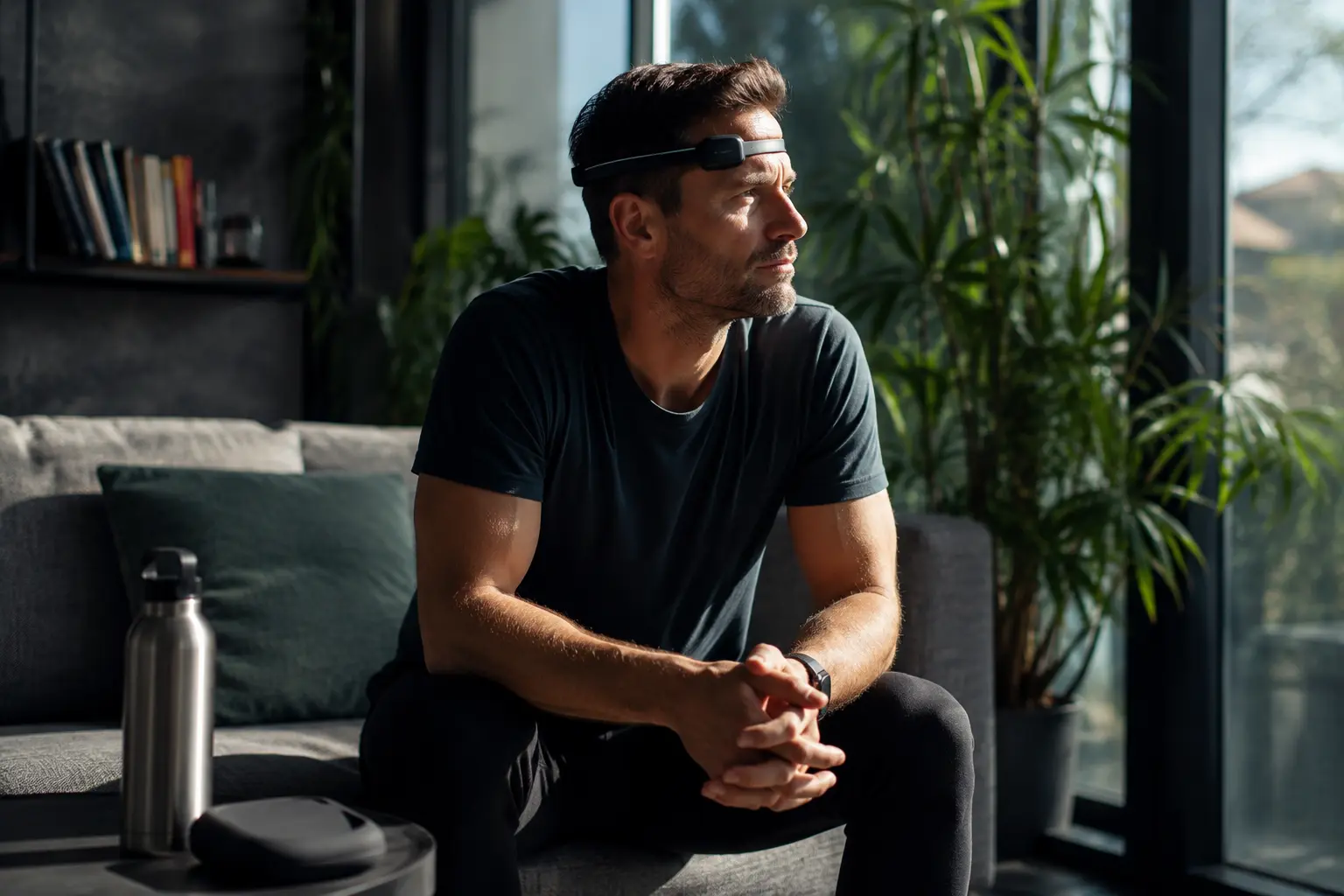
Your chest tightens mid-meeting, your sleep is shot, and you are running on fumes by Wednesday – this is where biohacking stress recovery steps in as your actual lifeline, not another wellness buzzword.
Understanding biohacking for stress recovery
Biohacking stress recovery starts with a simple premise: your body and mind operate like a system, and small tweaks to that system create measurable results. Rather than waiting for stress to pass or relying solely on willpower, biohacking gives you concrete levers to pull. Think of it like debugging your own code. A young professional might notice they feel calmer after implementing one change, like shifting sleep timing or adding a specific herb, and that small win builds momentum. The approach combines lifestyle design, targeted nutrition, and deliberate mental practices to rewire how your nervous system responds to pressure. Instead of fighting stress head-on, you are building resilience from the inside out. This means understanding your unique stress triggers, identifying which recovery methods resonate with your body, and layering them together into a personalized system. Over weeks, these small interventions compound. Your sleep improves, your mood stabilizes, and suddenly you notice you are not reaching for caffeine or scrolling at 2 AM anymore.
- Prioritize quality sleep to support your body’s natural stress recovery processes.
- Introduce adaptogenic herbs like ashwagandha and rhodiola to your daily routine for stress resilience.
- Practice mindfulness meditation to cultivate awareness and reduce stress reactivity.
Exploring nutritional biohacks for stress relief
Your diet directly shapes how your nervous system handles stress, yet most young adults never make this connection. Omega-3 fatty acids, found in fatty fish, walnuts, and flaxseeds, reduce inflammation in the brain and calm anxiety responses. Magnesium is equally critical – it relaxes muscles and quiets racing thoughts, yet many people are deficient without knowing it. A practical starting point: add one magnesium-rich food daily, like pumpkin seeds or dark leafy greens, and notice the difference in your evening tension. Vitamin B complex supports neurotransmitter production, directly affecting mood and energy stability. Rather than buying supplements immediately, consider food-first approaches: eggs, chickpeas, and whole grains are accessible sources. Some young adults find that simply reducing sugar and processed foods cuts their baseline anxiety significantly because blood sugar swings amplify stress hormones. The key is not perfection but consistency. Small dietary shifts sustained over weeks outperform dramatic overhauls abandoned after days.
📘 Fix your day in under 2 minuteschoose where to begin:
Engaging in physical activities for stress management
Exercise is not just about fitness – it is a direct intervention on your stress chemistry. When you move your body, your brain releases endorphins, serotonin, and dopamine, the neurochemicals that counteract stress hormones like cortisol. The catch is finding what you actually enjoy, because forced workouts create stress rather than relieving it. A young adult who hates running but loves dancing gets better results dancing three times weekly than forcing themselves to run once. Yoga combines movement with breath work and mindfulness, making it especially effective for nervous system regulation. Strength training builds confidence and provides a healthy outlet for tension. Even a 20-minute walk after work can interrupt the stress cycle and reset your mental state. The timing matters too – morning movement energizes your day, while evening activity helps discharge accumulated tension. Consistency beats intensity here. Three moderate sessions weekly outperform sporadic intense efforts because your nervous system learns to expect recovery time.
Utilizing technology for stress monitoring and relaxation
Apps and wearables offer real-time feedback on your stress levels, turning vague feelings into measurable data. Heart rate variability apps show you which practices actually calm your nervous system, removing guesswork. Breathing exercise apps like Wim Hof or Insight Timer guide you through techniques proven to activate your parasympathetic nervous system, the branch responsible for rest and recovery. Some young adults use sleep trackers to optimize bedtime routines, discovering that their stress drops when they sleep consistently. Meditation apps provide structure for beginners who feel lost starting a practice alone. The technology works best as a tool, not a replacement for actual change. An app tracking your stress is useful only if you act on the data by adjusting sleep, exercise, or nutrition. Think of these tools as your biohacking dashboard, showing you what works and what does not, so you can double down on what moves the needle.
Seeking professional support and guidance
Biohacking works best within a framework of professional guidance, especially when stress feels unmanageable or stems from deeper issues. A therapist helps you identify root causes of stress, whether perfectionism, relationship strain, or unprocessed trauma, that no amount of supplements can fix alone. A healthcare provider ensures you are not missing underlying conditions like thyroid dysfunction or vitamin deficiencies that mimic stress symptoms. Some young adults benefit from working with a biohacking coach who personalizes strategies based on your genetics, lifestyle, and goals. The combination approach is powerful: you might use meditation and nutrition to manage daily stress while working with a therapist on core beliefs driving anxiety. Knowing when to seek help is itself a biohack – recognizing that stress is a signal worth investigating rather than something to simply suppress. If stress persists despite consistent effort, or if it interferes with work, relationships, or sleep, professional support is not a failure but a smart strategic move.
Biohacking stress recovery involves a multifaceted approach encompassing lifestyle modifications, nutritional interventions, mindfulness practices, physical activities, and technological aids to support your stress management journey effectively.
How long does it take to see results from biohacking stress recovery techniques?
The timeline for experiencing improvements in stress levels through biohacking varies among individuals and depends on factors like consistency with practices, overall health status, and unique stress triggers. Some people may notice benefits within a few weeks, while others may require more time for significant changes.
Are there any risks associated with biohacking stress recovery methods?
While many biohacking strategies for stress recovery focus on natural and holistic approaches, it’s essential to approach new techniques with caution and consult with healthcare professionals if you have underlying health conditions or concerns. Some practices may not be suitable for everyone.
Others also read:
Disclaimer: This article is for informational purposes only and is not a substitute for professional medical advice. Always consult a healthcare professional for personal guidance.
This guide has been prepared and reviewed by the GlobalHealthBeacon editorial team and reflects current medical research as of 2026. It provides structured, evidence-based information to support informed health decisions.
