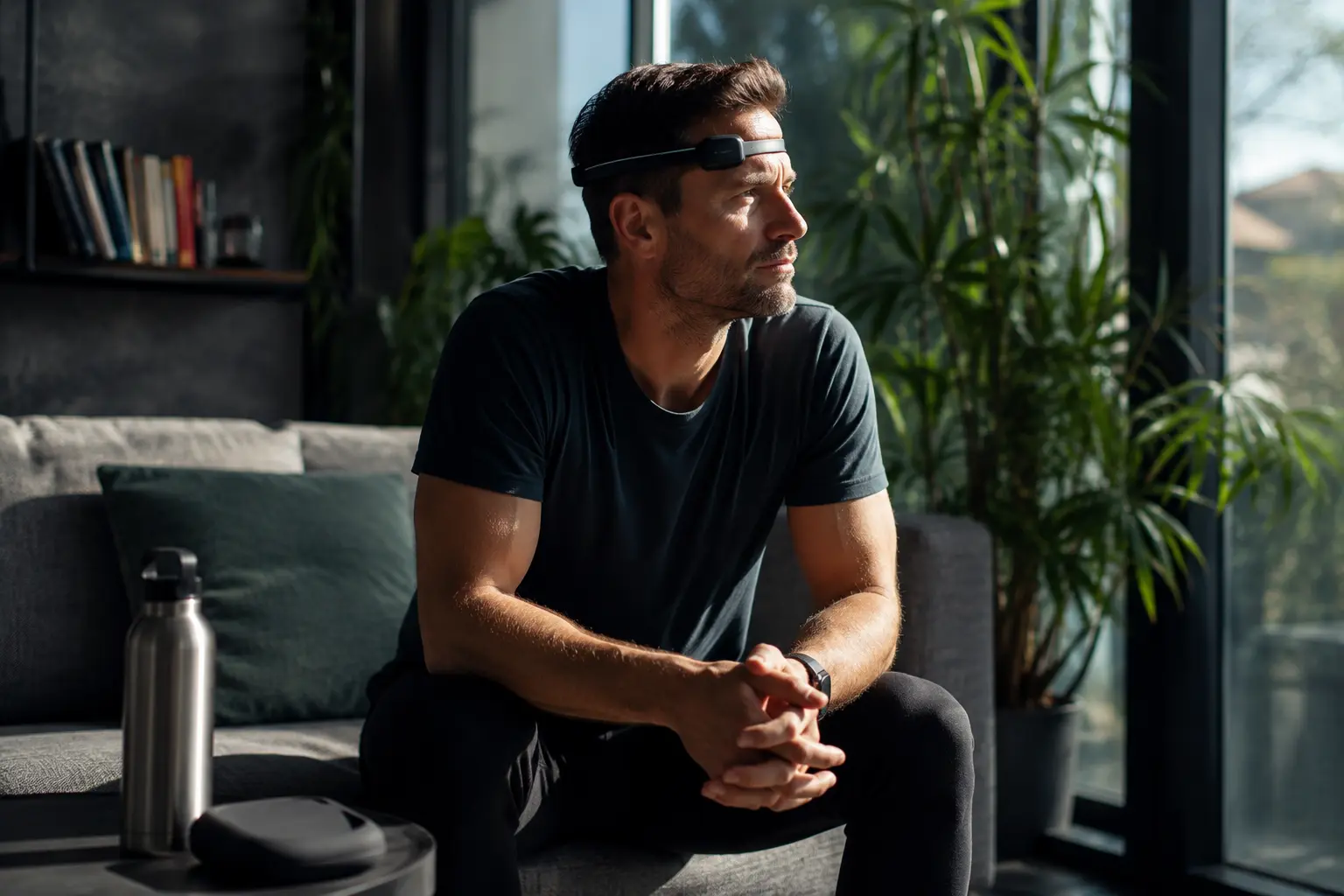
Your chest tightens at 3 AM, your shoulders live permanently near your ears, and you can’t remember the last time you felt genuinely calm, so let’s cut through the noise and explore what actually works with biohacking stress recovery.
Understanding stress and its impact
Stress isn’t inherently bad. Your body’s stress response evolved to help you survive immediate threats, triggering the release of cortisol and adrenaline to sharpen focus and boost energy. But here’s where modern life complicates things: most women today experience chronic, low-level stress from work deadlines, family responsibilities, financial concerns, and social pressures that never truly switch off. Unlike a predator chase that ends in minutes, your nervous system stays activated for hours, days, or years. This prolonged elevation of cortisol creates a cascade of physical changes. Your immune cells become less effective, inflammation spreads throughout your body, your digestive system struggles, sleep becomes fragmented, and your metabolism shifts toward storing fat rather than burning it efficiently. Research shows women often experience stress differently than men due to hormonal fluctuations, societal expectations, and caregiving roles. Understanding this biological reality helps explain why your stress might feel heavier or more persistent than you expected.
Biohacking techniques for stress relief
Biohacking stress recovery means deliberately adjusting your environment, habits, and physiology to help your nervous system downshift from high alert. Think of it as negotiating with your own biology rather than fighting against it. Mindfulness meditation works by training your prefrontal cortex, the rational decision-making part of your brain, to override the amygdala’s alarm signals. Even five minutes daily can measurably reduce cortisol. Breathing exercises like box breathing or 4-7-8 breathing directly activate your parasympathetic nervous system, the brake pedal for stress. Cold exposure through cold showers or ice baths triggers controlled stress that paradoxically teaches your body to recover faster from real stressors. Journaling helps externalize racing thoughts, freeing mental bandwidth. Many women find that combining these techniques works better than relying on one alone. A realistic approach might involve ten minutes of meditation in the morning, intentional breathing during lunch breaks, and evening journaling to process the day’s events.
The power of nutritional biohacking
Your diet directly influences your stress resilience through multiple biological pathways. Adaptogens like ashwagandha and rhodiola contain compounds that help regulate cortisol and support your adrenal glands during prolonged stress. Magnesium acts as a natural relaxant, calming nerve signals and reducing muscle tension, yet most women consume far less than the recommended 310-320 mg daily. Omega-3 fatty acids reduce inflammation and support brain health, directly impacting mood regulation. Consider a practical example: Sarah, a 45-year-old manager, noticed her afternoon anxiety spikes coincided with skipped lunches and coffee-only mornings. By adding a magnesium-rich snack like almonds at 3 PM and including fatty fish twice weekly, she reported noticeably calmer afternoons within three weeks. Common mistakes include buying expensive supplements without addressing basic nutrition gaps, or expecting overnight results from dietary changes. Real nutritional shifts typically require four to six weeks to show measurable effects on stress markers. The key is consistency and choosing whole food sources when possible rather than relying solely on pills.
- Include adaptogenic herbs like rhodiola in your daily regimen.
- Consume magnesium-rich foods like nuts, seeds, and leafy greens.
- Opt for sources of omega-3 fatty acids such as fatty fish or flaxseeds.
🔬 Science-backed benefits in 2 minuteschoose where to begin:
The role of exercise in stress management
Exercise functions as one of the most powerful stress recovery tools available, yet many women approach it as punishment rather than medicine. When you move your body, you trigger the release of endorphins, serotonin, and dopamine, your brain’s natural mood elevators. Simultaneously, physical activity metabolizes excess cortisol and adrenaline still circulating from stress exposure. The type of exercise matters less than consistency and enjoyment. High-intensity interval training works brilliantly for some women, while others find gentle yoga or walking more sustainable long-term. A balanced approach combines cardiovascular activity like brisk walking or cycling three times weekly, strength training twice weekly to build resilience and confidence, and flexibility work like stretching or yoga for nervous system regulation. Many women report that exercise becomes their most reliable stress relief once they find an activity they genuinely enjoy rather than one they feel obligated to do. The mental shift from exercise-as-obligation to exercise-as-self-care transforms both adherence and results.
Mind-body connection in stress reduction
Your mind and body communicate constantly through the vagus nerve, a major highway connecting your brain to your heart, lungs, and digestive system. Mind-body practices like yoga, tai chi, and progressive muscle relaxation work by consciously strengthening this dialogue, teaching your body to recognize and release tension patterns you’ve held unconsciously for years. Yoga combines movement, breathing, and mindfulness to activate your parasympathetic nervous system while building body awareness. Tai chi’s slow, flowing movements calm your mind while improving balance and coordination. Progressive muscle relaxation involves systematically tensing and releasing muscle groups, helping you recognize what tension actually feels like so you can catch it earlier. Women often discover that these practices reveal emotional patterns stored in their bodies. Tightness in the shoulders might connect to perfectionism, jaw clenching to unexpressed frustration, or shallow breathing to underlying anxiety. By practicing these techniques regularly, you develop what researchers call stress resilience, the ability to experience stress without becoming overwhelmed by it.
Expert insight: the science behind stress recovery
Neuroscience research consistently validates biohacking approaches to stress management. Brain imaging studies show that regular meditation physically changes the amygdala’s size and reactivity, making it less prone to triggering alarm responses. Cortisol measurements in saliva demonstrate that combined lifestyle interventions reduce stress hormone levels more effectively than single approaches. The concept of neuroplasticity means your brain isn’t fixed; repeated practice of stress recovery techniques literally rewires neural pathways toward calm. Women benefit from understanding that stress recovery isn’t about eliminating stress entirely, which is impossible, but rather building your capacity to handle it. Research on resilience shows that women who combine multiple evidence-based approaches, such as exercise plus meditation plus nutritional support, experience significantly better outcomes than those relying on one method alone. The most successful stress recovery programs are personalized, sustainable, and address the root causes of stress rather than just managing symptoms.
Explore the science-backed methods of biohacking stress recovery to optimize your body’s response and enhance overall well-being.
How long does it take to see results from biohacking stress recovery techniques?
The timeline for experiencing the benefits of biohacking stress recovery varies for each individual. Some techniques like mindfulness meditation may offer immediate relief, while dietary changes may take a few weeks to show significant effects.
Can biohacking stress recovery replace traditional therapy for managing stress?
Biohacking techniques can complement traditional therapies for stress management, but they are not meant to replace professional assistance when needed. It’s essential to consult with healthcare providers for personalized guidance and support.
Others also read:
Disclaimer: This article is for informational purposes only and is not a substitute for professional medical advice. Always consult a healthcare professional for personal guidance.
This article has been prepared and reviewed by the GlobalHealthBeacon editorial team and is based on current medical research and published scientific literature available in 2026. It provides structured, evidence-based information to support informed health decisions.
