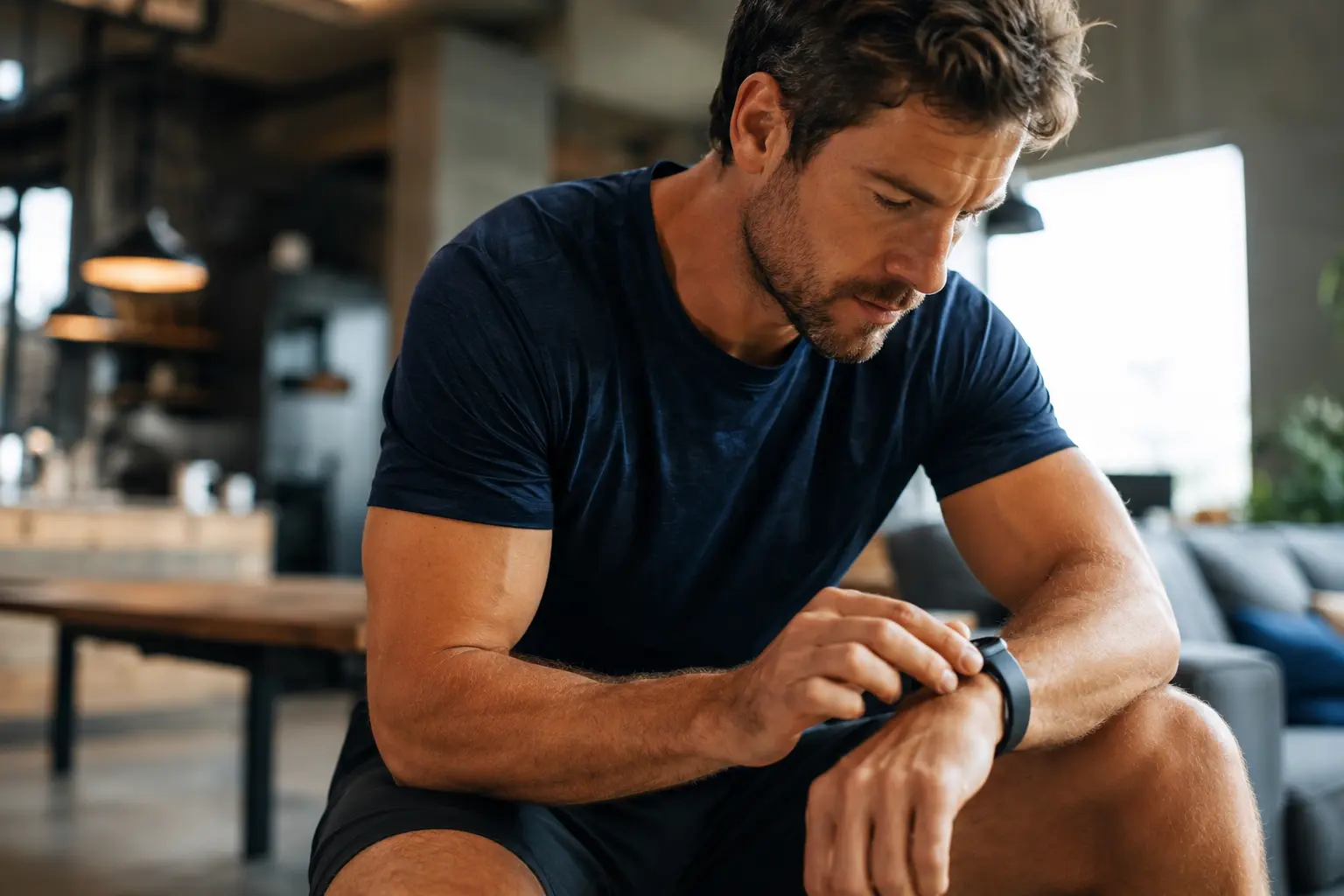
I was exhausted, unfocused, and had no idea why my body felt like it was working against me until I started biohacking with wearables and finally got real answers.
Transforming daily habits
When I first strapped on a fitness tracker, I thought it was just another gadget. But within weeks, embracing biohacking with wearables completely flipped how I approached my daily routines. I started noticing patterns I never saw before. My sleep quality tanked on nights I drank coffee after 2 PM. My workout recovery improved dramatically when I hit 8,000 steps the day before. These wearables became like having a personal health detective on my wrist. Instead of guessing whether I was doing enough, I had actual data showing me exactly what worked and what didn’t. I learned to adjust my evening wind-down routine based on heart rate variability, moved my gym sessions to times when my energy was naturally highest, and restructured my meals around my activity patterns. The constant feedback loop created genuine accountability and helped me build habits that actually stuck because they were backed by evidence, not willpower alone.
- Enhanced self-awareness through constant data tracking
- Personalized recommendations for diet and exercise based on real-time feedback
- Improved focus and productivity by leveraging biofeedback strategies
Harnessing the power of data
The real magic happened when I stopped just looking at daily steps and started diving deep into what the data was actually telling me. By exploring the treasure trove of information my wearables provided, I uncovered hidden patterns that changed everything. I discovered my cortisol levels spiked on mornings after stressful meetings, which explained why those days felt so heavy. I noticed my HRV dropped significantly when I was getting less than seven hours of sleep, even if I felt fine. One breakthrough moment came when I tracked my mood against my activity levels and realized I wasn’t depressed on lazy days because I was lazy, but rather my mood improved when I moved intentionally. Understanding these correlations empowered me to make smarter choices proactively instead of reactively. I stopped blaming myself for low energy and started investigating root causes. This shift from self-judgment to self-curiosity transformed how I approached my entire health journey.
💬 Ready to feel better in 2 minutes?choose where to begin:
Optimizing performance
Once I understood my data, I could actually fine-tune my performance across every area of my life. Biohacking with wearables became like having a personal coach who knew my body better than I did. For workouts, I used heart rate zones to maximize efficiency instead of just grinding through random sessions. I learned my peak cognitive window was between 9 and 11 AM, so I scheduled important work then instead of wasting that time on emails. I experimented with different recovery strategies like cold showers and meditation, tracking which ones actually improved my readiness scores. One specific example: I noticed my VO2 max improved faster when I combined high-intensity interval training with consistent low-intensity movement, something I never would have discovered without the data. I also used sleep tracking to optimize my nap timing, finding that 26-minute naps gave me the best afternoon boost without grogginess. These small optimizations compounded into noticeable improvements in how I felt, performed at work, and showed up in my relationships.
Sustaining long-term wellness
The biggest lesson I learned was that biohacking with wearables isn’t about achieving some perfect health score and then stopping. It’s about building a sustainable system that evolves with your life. Through consistent use of my wearables, I developed habits that felt natural rather than forced because they were grounded in real feedback. When life got chaotic and I skipped workouts, I didn’t spiral into guilt. Instead, I saw the data showing what happened and gently adjusted. I learned to celebrate progress over perfection, tracking weekly trends rather than obsessing over daily fluctuations. I also discovered that the best habit is the one you actually maintain, so I stopped chasing extreme protocols and focused on what I could realistically do forever. Over time, this data-driven approach shifted from feeling like monitoring to feeling like self-care. The insights became intuitive. I started knowing my body’s signals without checking my watch. The wearables became less about proving something and more about honoring what my body was telling me.
Exploring the realm of biohacking with wearables as a young adult transformed my approach to health and well-being. By leveraging data-driven insights and personalized strategies, I unlocked a path towards optimized performance and sustainable wellness.
How can biohacking with wearables benefit young adults?
Biohacking with wearables offers young adults valuable insights into their health and performance, enabling them to make informed choices and optimize their daily routines for enhanced well-being.
Are there any risks associated with biohacking wearables?
While biohacking with wearables can provide valuable data, it is essential to use them responsibly and consult with healthcare professionals for a holistic approach to health management.
Others also read:
Disclaimer: This article is for informational purposes only and is not a substitute for professional medical advice. Always consult a healthcare professional for personal guidance.
This article presents an experience-based perspective and has been reviewed by the GlobalHealthBeacon editorial team in 2026. It provides structured, evidence-based information to support informed health decisions.
