You crush your workouts but spend the next three days sore, exhausted, and nowhere near ready for the next session, and biohacking workout recovery is the game-changer that actually works.
Understanding biohacking workout recovery
Biohacking workout recovery involves utilizing cutting-edge techniques to optimize your body’s healing after exercise. Think of it as giving your muscles a strategic advantage in the repair process. When you work out, you create micro-tears in muscle fibers. Your body naturally repairs these tears, but you can accelerate and enhance this process through science-backed strategies. By harnessing proper nutrition, sleep optimization, and advanced recovery tools, you can reduce muscle soreness by days, bounce back faster for your next session, and actually see the performance gains you’re working toward. Young adults especially benefit from this approach because your body is primed for rapid adaptation. Instead of waiting passively for recovery to happen, you’re actively directing your body toward faster healing, reduced inflammation, and improved overall athletic performance.
- Implementing proper post-workout nutrition is key to fueling your body for recovery.
- Incorporating adequate rest and quality sleep is crucial for muscle repair and overall well-being.
- Utilize advanced recovery tools like compression therapy or infrared saunas to enhance muscle recovery.
Biohacking recovery with nutrition
Nutrition plays a vital role in optimizing workout recovery, and getting this right makes a measurable difference within days. After your workout, your muscles are primed to absorb nutrients, so timing matters. Consuming a balanced post-workout meal rich in protein and carbohydrates within 30 to 60 minutes replenishes depleted glycogen stores and provides amino acids for muscle repair. Picture this scenario: you finish a heavy leg day and grab a protein shake with a banana and some rice cakes. That combination delivers fast-digesting carbs to restore energy and protein to rebuild muscle tissue. Beyond the immediate post-workout window, hydrating adequately throughout the day supports nutrient transport and reduces inflammation. Incorporating anti-inflammatory foods like berries, leafy greens, fatty fish, and nuts into your daily meals creates an environment where your body recovers more efficiently. Many young adults skip this step, thinking one meal won’t matter, but consistent nutrition habits compound into noticeably faster recovery and better performance gains.
📘 Fix your day in under 2 minuteschoose where to begin:
Optimizing sleep for improved recovery
Quality sleep is where the real magic happens, yet it’s often the most neglected recovery tool. Aim for 7 to 9 hours of uninterrupted sleep each night to allow your body to repair and regenerate after intense workouts. During deep sleep stages, your body releases growth hormone, which directly supports muscle repair and adaptation. Consider a typical week: if you’re getting only 5 to 6 hours nightly, your recovery suffers significantly, and you’ll feel it in your performance. Establish a calming bedtime routine by dimming lights an hour before bed, avoiding screens that emit blue light, and creating a cool, dark, comfortable sleep environment. Some young adults find success with consistent sleep schedules, going to bed and waking at the same time daily, which trains your body’s internal clock. This consistency amplifies recovery benefits more than occasional long sleep sessions. Poor sleep sabotages even the best nutrition and training plans, so prioritizing this foundation ensures everything else works effectively.
Advanced recovery techniques
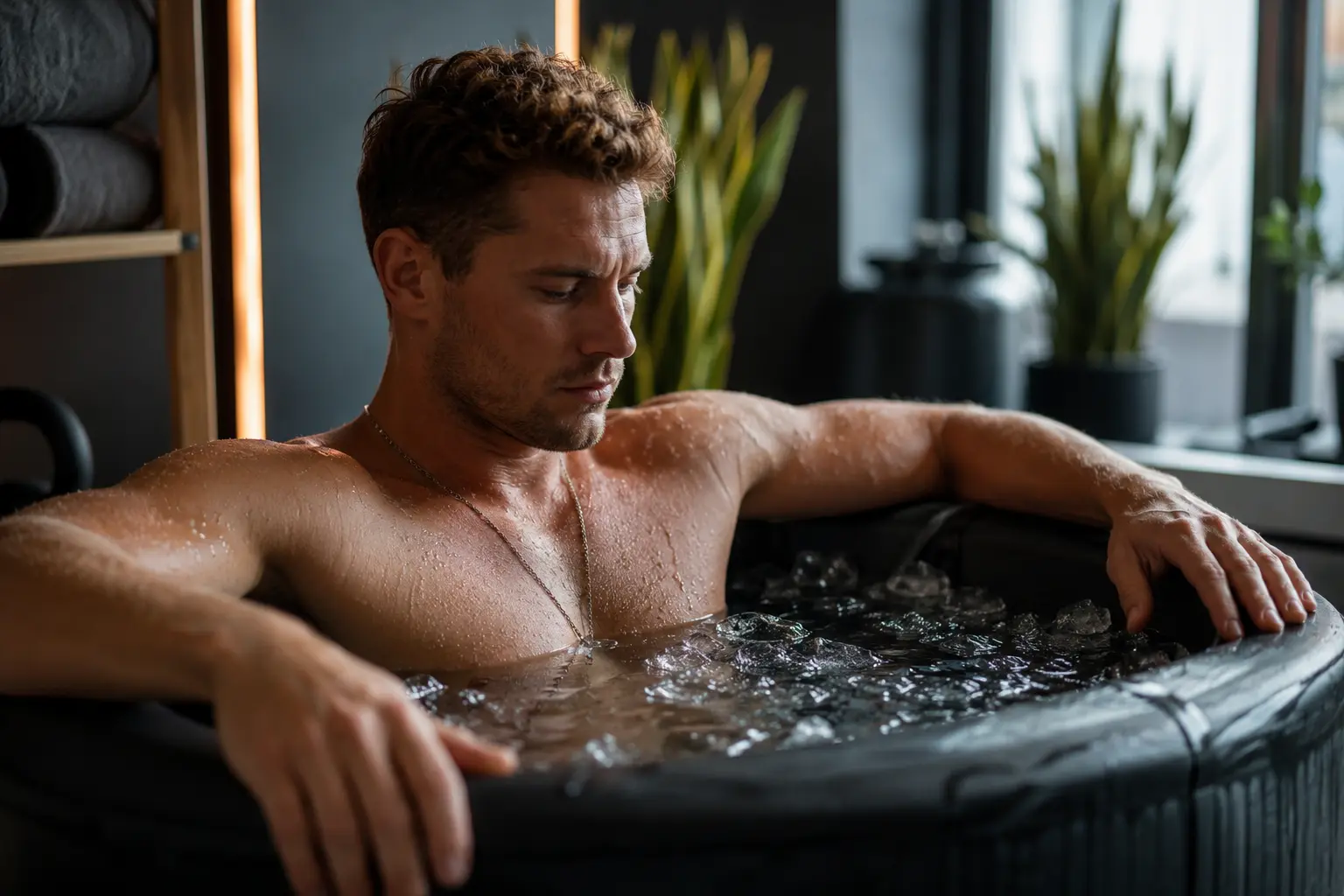
Once you’ve mastered the basics, advanced recovery techniques can accelerate results further. Cryotherapy, which exposes your body to extremely cold temperatures for short periods, reduces inflammation and muscle soreness by constricting blood vessels and then triggering a flush of fresh blood when you warm up. Cold-water immersion, like ice baths, works similarly and is more accessible for most young adults. Float therapy, where you float in salt-saturated water in a sensory deprivation tank, reduces stress hormones and allows your nervous system to shift into recovery mode. Imagine finishing an intense training block and booking a cryotherapy session; many athletes report feeling noticeably fresher the next day. Compression therapy using specialized garments or devices improves circulation and reduces fluid buildup in muscles, speeding nutrient delivery and waste removal. Infrared saunas penetrate deeper into tissues than traditional saunas, promoting circulation and detoxification. These tools aren’t essential, but they’re powerful accelerators when combined with solid nutrition and sleep. Start with one or two techniques that fit your lifestyle and budget, then expand as you see results.
Mind-body practices for recovery
Recovery isn’t just physical; your nervous system plays a crucial role in how quickly your body bounces back. Incorporating mindfulness practices such as meditation, yoga, or deep breathing exercises helps reduce cortisol and other stress hormones that interfere with muscle repair. When you’re stressed, your body prioritizes stress response over recovery, which slows healing and increases inflammation. A practical example: spend 10 minutes daily doing box breathing (inhale for 4 counts, hold for 4, exhale for 4, hold for 4) or gentle yoga stretching. These practices calm your nervous system and signal your body that it’s safe to focus on repair. Many young adults find that adding a short meditation session after workouts creates a mental transition from training mode to recovery mode, which enhances both physical and mental well-being. By cultivating this holistic approach to recovery, you support not just muscle repair but also mental clarity, reduced anxiety, and improved sleep quality, creating a positive feedback loop where everything works better together.
Biohacking workout recovery involves implementing science-backed strategies like proper nutrition, quality sleep, advanced recovery tools, and mind-body practices to optimize muscle repair, reduce soreness, and enhance overall performance naturally.
How long does it take to see results from biohacking workout recovery?
Results from biohacking workout recovery can vary depending on individual factors such as fitness level, consistency, and adherence to the techniques. Most young adults notice improved soreness and energy levels within 3 to 7 days of implementing proper nutrition and sleep. Advanced techniques like cryotherapy show immediate effects, while long-term performance gains build over weeks and months. It’s important to be patient and give your body adequate time to adapt and respond to the recovery strategies.
Are there any risks associated with biohacking workout recovery?
While biohacking workout recovery techniques are generally considered safe and beneficial, it’s essential to consult with a healthcare provider or fitness professional before implementing new strategies, especially if you have any underlying health conditions or concerns. Cold-water immersion, for example, isn’t recommended for people with certain cardiovascular conditions. Start conservatively with proven basics like nutrition and sleep before exploring advanced techniques.
Disclaimer: This article is for informational purposes only and is not a substitute for professional medical advice. Always consult a healthcare professional for personal guidance.
This guide has been prepared and reviewed by the GlobalHealthBeacon editorial team and reflects current medical research as of 2026. It provides structured, evidence-based information to support informed health decisions.
