Your muscles are sore, you feel exhausted after workouts, and recovery seems to take forever – but biohacking workout recovery doesn’t mean expensive supplements or extreme measures, it means understanding how your body actually heals and giving it what it needs.
Understanding the importance of post-workout recovery
Post-workout recovery is far more than just resting on the couch. When you exercise, your muscles experience microscopic tears that need repair, your energy stores become depleted, and inflammatory responses activate throughout your body. For seniors, this process becomes increasingly important because recovery capacity naturally changes with age. Think of it like this: after a workout, your body enters a critical window where it’s actively rebuilding stronger muscle fibers, restocking glycogen (your muscles’ fuel), and managing inflammation. Without proper recovery, you miss the actual benefits of exercise. A 65-year-old who exercises but skips recovery might feel sore for days, experience plateaued fitness gains, and face higher injury risk. The science shows that adequate recovery allows your nervous system to adapt, hormones to rebalance, and muscle protein synthesis to occur. This is when the real transformation happens.
Nutritional strategies for enhanced recovery
What you eat after exercise directly influences how quickly your body repairs itself. Protein is essential because it provides amino acids that rebuild muscle tissue, while carbohydrates replenish glycogen stores that fuel your workouts. A practical example: after a morning walk or light strength session, consuming a meal with grilled chicken, sweet potato, and steamed broccoli within two hours supports both muscle repair and anti-inflammatory response. Healthy fats from sources like salmon, avocado, or olive oil help reduce exercise-induced inflammation. Many seniors overlook the power of specific foods like berries (rich in antioxidants), leafy greens (packed with minerals), and fatty fish (containing omega-3s). A common mistake is waiting too long to eat after exercise, thinking hunger will naturally guide you. Instead, plan your post-workout nutrition ahead. If you exercise at 7 AM, have a prepared breakfast ready. This intentional approach ensures your body gets the nutrients it needs during the critical recovery window.
Implementing strategic rest and hydration practices
Rest and hydration work together as the foundation of recovery. Quality sleep is when your body releases growth hormone, repairs muscle tissue, and consolidates memory of new movement patterns. Most seniors need 7 to 9 hours nightly, though individual needs vary. Hydration supports every cellular process, from nutrient transport to temperature regulation. A practical scenario: imagine a 70-year-old who exercises three times weekly but only drinks water with meals. By evening, they’re mildly dehydrated, sleep quality suffers, and next-day soreness feels worse. Now picture the same person drinking water consistently throughout the day, aiming for pale urine color as a hydration marker. Their sleep deepens, recovery accelerates, and they feel ready for the next workout. Gentle stretching or yoga for 10 to 15 minutes post-exercise improves flexibility, reduces muscle stiffness, and signals to your nervous system that the workout is complete. This cooldown phase is especially valuable for seniors because it prevents dizziness and helps your heart rate return to baseline gradually.
- Ensure you get 7 to 9 hours of quality sleep each night, keeping your bedroom cool and dark.
- Drink at least 8 to 10 glasses of water daily, adjusting for activity level and climate.
- Engage in a 10 to 15 minute stretching routine post-workout, focusing on muscles you just used.
🔬 Science-backed benefits in 2 minuteschoose where to begin:
Utilizing recovery tools and techniques
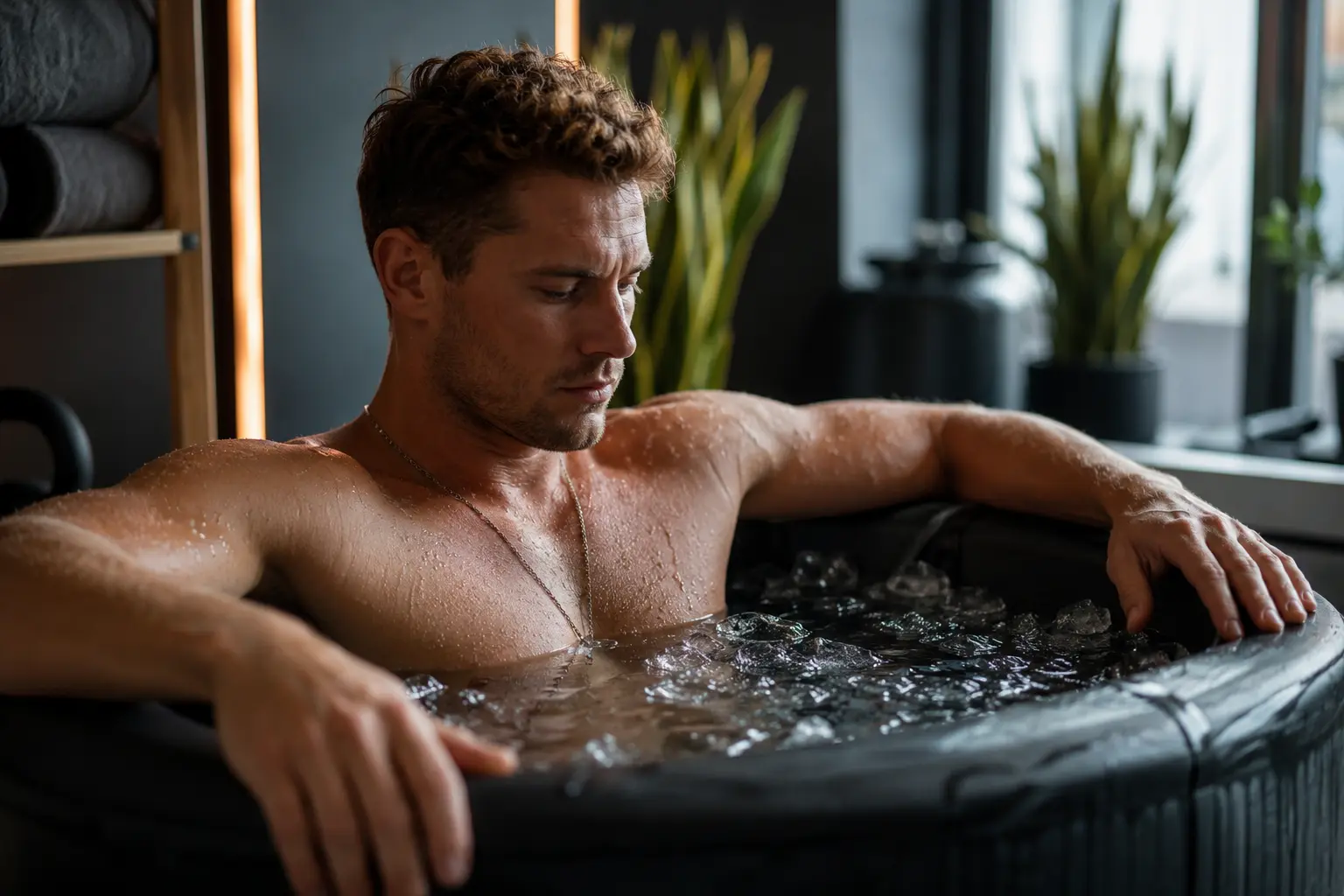
Modern recovery tools offer practical benefits when used correctly. Foam rollers apply gentle pressure to muscles, improving blood flow and reducing muscle tension. A 68-year-old with tight calves from daily walking might spend five minutes rolling each leg slowly, pausing on tender spots. Massage therapy, whether professional or self-administered, increases circulation and promotes relaxation. Compression garments worn after exercise can reduce swelling and support blood flow back to the heart. Contrast baths, alternating between warm and cold water immersion, stimulate circulation and may accelerate recovery, though they require caution for those with cardiovascular concerns. A realistic example: after a strength training session, spending three minutes in warm water followed by one minute in cool water (repeated three times) can invigorate tired muscles. However, a common mistake is overusing these tools. More isn’t better. Gentle, consistent application of one or two recovery methods works better than attempting everything simultaneously.
Embracing mind-body practices for holistic healing
Your nervous system directly influences recovery speed. Meditation and deep breathing activate your parasympathetic nervous system, the branch responsible for rest and repair. When you’re stressed, your body prioritizes survival over recovery, slowing muscle repair and sleep quality. A 72-year-old who practices ten minutes of guided meditation after exercise experiences lower cortisol levels, better sleep onset, and reduced next-day soreness compared to days without this practice. Mindfulness involves noticing physical sensations without judgment, which helps seniors tune into their body’s actual recovery needs rather than pushing through unnecessary fatigue. Tai chi or gentle yoga combines movement with breath awareness, improving balance while calming the nervous system. These practices aren’t luxuries or add-ons; they’re biological tools that optimize the hormonal environment for recovery. Many seniors report that adding even five minutes of intentional breathing after workouts transforms how they feel the following day.
Incorporating recovery days into your exercise routine
A sustainable fitness life includes planned rest days, not just recovery between sessions. Overtraining happens when seniors push hard daily without adequate breaks, leading to persistent fatigue, increased injury risk, and plateaued progress. A realistic weekly structure for a senior might include three days of exercise (strength, walking, flexibility) with four rest or light activity days. On rest days, gentle movement like leisurely walking or restorative yoga maintains mobility without taxing recovery systems. Listening to your body’s signals matters enormously. Persistent soreness beyond two days, declining motivation, or sleep disruption all suggest you need more recovery time. A common mistake is viewing rest days as laziness rather than essential training. Elite athletes know that recovery is when adaptation happens. Your muscles don’t grow during the workout; they grow during rest. By respecting this biological reality and building recovery days into your routine intentionally, you create sustainable progress that lasts years, not weeks.
Evidence-based recovery for seniors combines strategic nutrition, quality sleep, consistent hydration, targeted recovery tools, mind-body practices, and planned rest days into a comprehensive approach that optimizes post-workout rejuvenation and supports long-term fitness success and overall well-being.
How important is post-workout recovery for seniors?
Post-workout recovery is vital for seniors because it allows the body to repair muscle tissue, replenish energy stores, reduce inflammation, and adapt to exercise stress. Without adequate recovery, seniors miss the actual benefits of exercise, experience prolonged soreness, and face higher injury risk. Recovery is when transformation occurs.
What are the benefits of incorporating mind-body practices into recovery?
Mind-body practices like meditation and deep breathing activate the parasympathetic nervous system, reducing stress hormones that interfere with recovery. These practices improve sleep quality, lower inflammation, reduce muscle soreness, and enhance overall well-being. They’re biological tools that optimize the hormonal environment for healing.
Others also read:
Disclaimer: This article is for informational purposes only and is not a substitute for professional medical advice. Always consult a healthcare professional for personal guidance.
This article has been prepared and reviewed by the GlobalHealthBeacon editorial team and is based on current medical research and published scientific literature available in 2026. It provides structured, evidence-based information to support informed health decisions.
