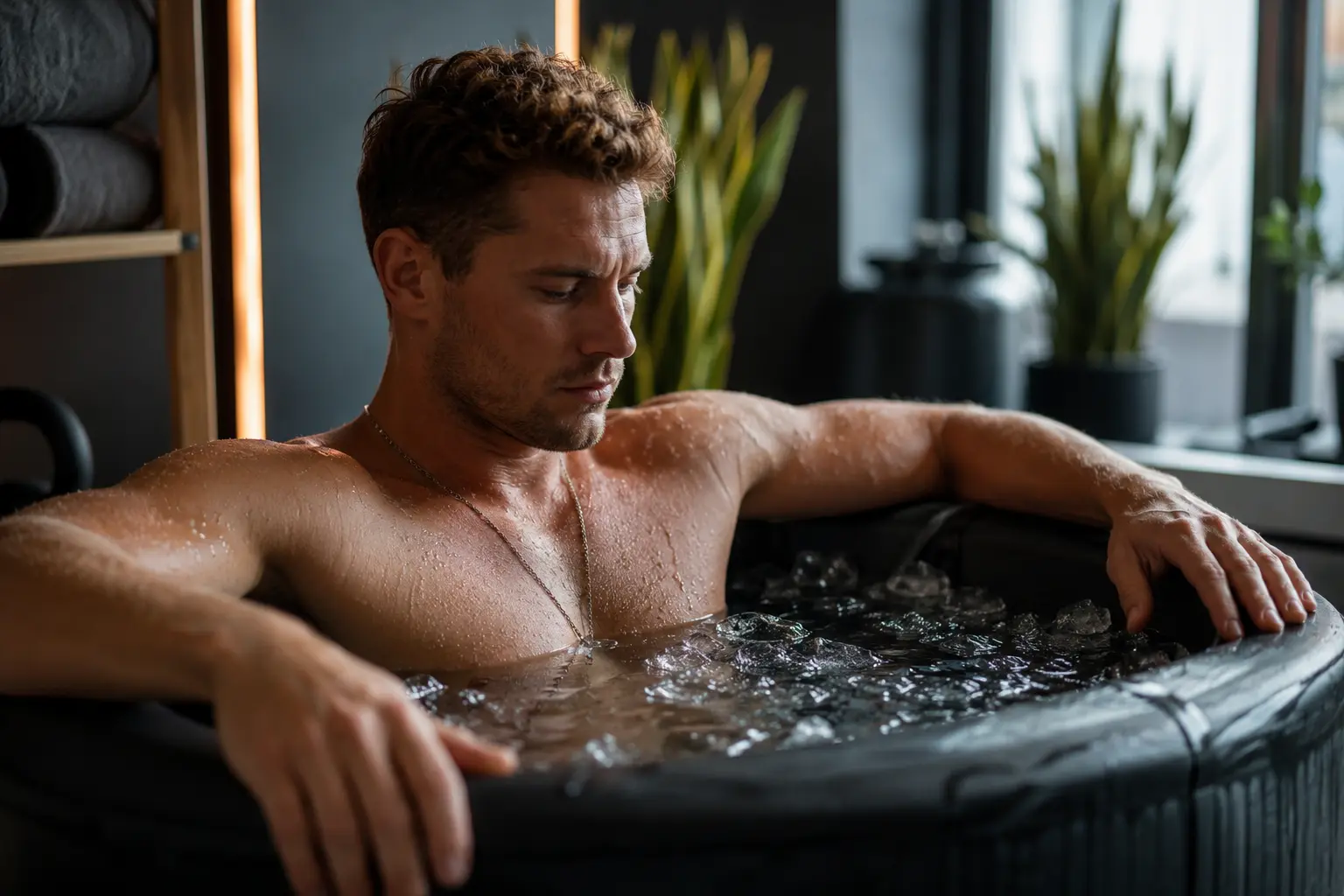
Your knees are screaming after that garden project, your shoulders feel like they’ve been through a wringer, and you’re wondering if this is just what getting older means now—but biohacking workout recovery might be the game-changer that finally lets you do the things you love without paying for it for days afterward.
Nutrition for enhanced recovery
Think of your body like a car that just ran a marathon—it needs premium fuel to repair itself properly. Many seniors discover that what they eat in the hours after activity makes a shocking difference in how they feel the next morning. Picture this: Margaret, a 68-year-old who loves hiking, used to wake up with stiff legs and aching joints. Once she started intentionally pairing her meals with antioxidant-rich foods like blueberries, spinach, and walnuts, she noticed her recovery time cut in half. The science here is straightforward—these foods combat inflammation at the cellular level. Beyond just eating right, hydration becomes your secret weapon. Drinking enough water throughout the day and especially after activity helps flush out metabolic waste that builds up in tired muscles. Add lean proteins like chicken or fish to support muscle repair, and healthy fats from avocados or salmon to calm inflammation in your joints. The combination matters more than perfection.
- Hydrate adequately to optimize recovery and reduce muscle soreness.
- Include protein in your meals to aid in muscle recovery and growth.
- Incorporate healthy fats such as avocados and salmon to reduce inflammation and support joint health.
Quality sleep as a recovery tool
Here’s something most people don’t realize: your body does its real repair work while you’re sleeping, not while you’re active. During deep sleep, your muscles rebuild, inflammation decreases, and your nervous system resets. Many seniors struggle with sleep quality, tossing and turning or waking at 3 AM with racing thoughts. But when you prioritize those 7 to 9 hours of uninterrupted rest, something remarkable happens. Your joints feel less stiff, your energy returns, and that post-activity soreness fades faster. Create a bedtime ritual that signals to your body it’s time to wind down—maybe that’s dimming lights an hour before bed, putting your phone away, or sipping herbal tea. Your sleep environment matters too: keep your bedroom cool, dark, and quiet. If you’re waking frequently, consider whether your mattress still supports you properly or if sleep apnea might be interfering. Quality sleep isn’t a luxury for seniors; it’s foundational recovery medicine.
💬 Ready to feel better in 2 minutes?choose where to begin:
Active recovery techniques
Rest days don’t mean sitting on the couch all day. In fact, gentle movement on your off days accelerates recovery in ways that complete inactivity simply cannot match. Think of active recovery like giving your muscles a gentle massage from the inside. Swimming is phenomenal for seniors because the water supports your weight while you move, reducing stress on joints. Yoga, even gentle versions, improves flexibility and keeps blood flowing to tired muscles. Many seniors find that 20 to 30 minutes of low-impact activity on rest days makes a tangible difference in how they feel. Foam rolling might sound intimidating, but it’s just self-massage that releases muscle tension and improves circulation. Start slowly with a softer roller if you’re new to it. Stretching, especially after your activity when muscles are still warm, helps prevent stiffness from setting in. The key is moving without pushing—you’re not trying to build strength on recovery days, just promote healing and maintain mobility.
Mindfulness practices for stress reduction
Chronic stress is like an invisible brake on your recovery. When you’re anxious or tense, your body stays in fight-or-flight mode, which actually slows down healing and increases inflammation. Many seniors find that once they address the stress piece, everything else clicks into place. Deep breathing sounds simple, but it genuinely shifts your nervous system from stressed to calm. Try breathing in for four counts, holding for four, and exhaling for six—do this for just five minutes and notice how your shoulders drop. Meditation doesn’t require sitting in silence for an hour; even ten minutes of focusing on your breath can reduce cortisol levels. Tai chi combines gentle movement with mindfulness, making it perfect for seniors who want both physical and mental benefits. Beyond formal practices, identify what brings you genuine peace—maybe it’s gardening, time with grandchildren, or listening to music. These aren’t distractions from recovery; they’re essential parts of it. Your mind and body are connected, and stress management is recovery management.
Optimizing your recovery through proper nutrition, quality sleep, active recovery techniques, and stress reduction practices can significantly enhance your overall well-being. By implementing these biohacks into your routine, you can experience improved energy levels, reduced pain, and enhanced recovery after workouts.
Can biohacking help seniors recover faster from workouts?
Biohacking strategies such as nutrition optimization, quality sleep, active recovery techniques, and stress reduction practices can aid seniors in recovering faster from workouts by supporting muscle repair, reducing inflammation, and promoting overall well-being.
Are biohacks safe for seniors to incorporate into their routine?
When implemented thoughtfully and with consideration of individual needs, biohacks focused on recovery can be safe for seniors to incorporate into their routine. It’s important to consult with a healthcare provider before making significant changes to your exercise or recovery regimen.
Others also read:
Disclaimer: This article is for informational purposes only and is not a substitute for professional medical advice. Always consult a healthcare professional for personal guidance.
This article presents an experience-based perspective and has been reviewed by the GlobalHealthBeacon editorial team in 2026. It provides structured, evidence-based information to support informed health decisions.
