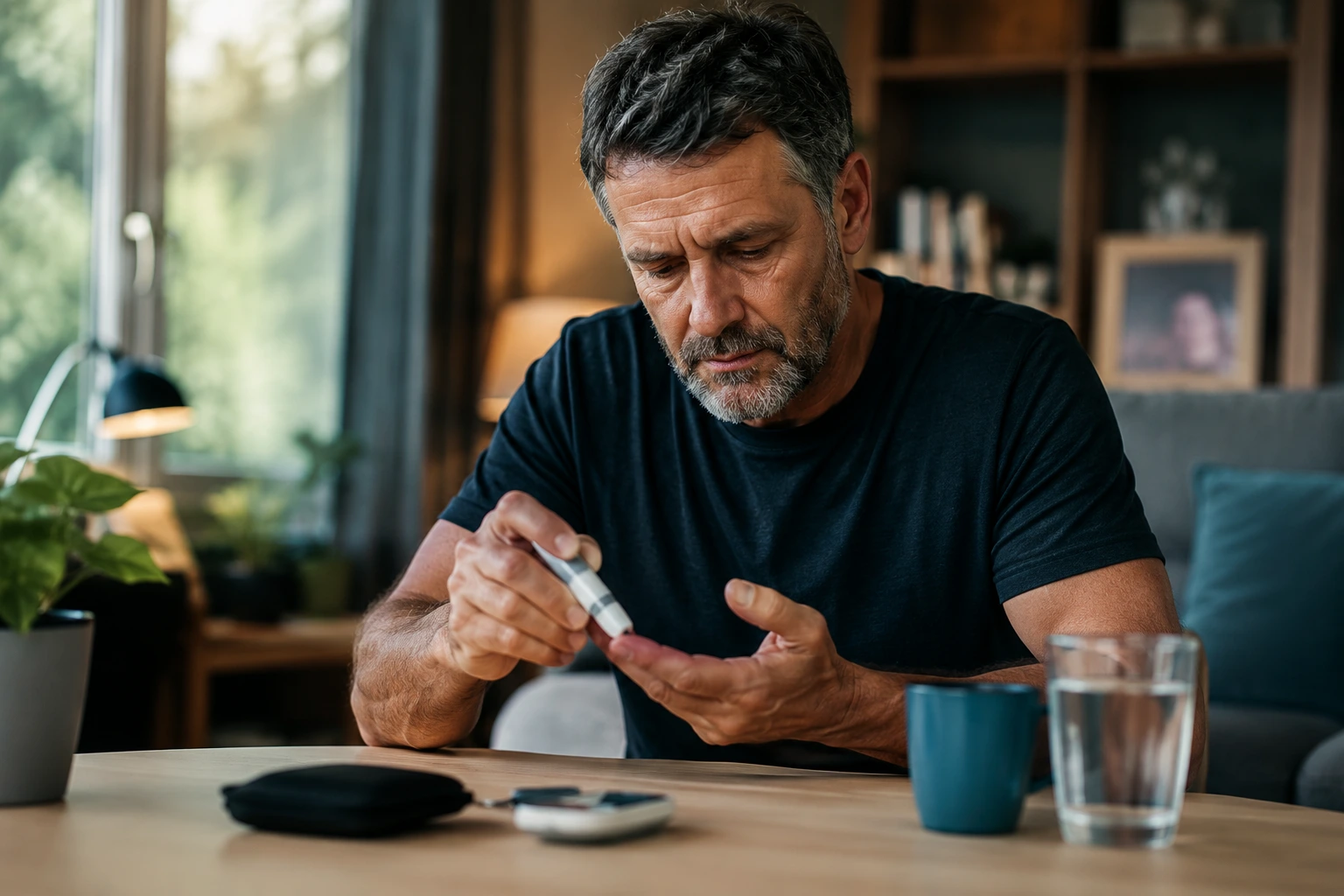
You’re exhausted all the time, your skin looks tired, and you feel like your body is aging way faster than it should be, so you take a biological age test and discover you’re actually 10 years older than your chronological age, which hits different when you realize your lifestyle choices might be the culprit.
Understanding biological age
Biological age is basically your body’s report card on how well it’s actually functioning compared to how many years you’ve been alive. Think of it this way: you might be 28 chronologically, but if you’ve been pulling all-nighters, stress-eating, and skipping the gym for years, your cells might be operating like you’re 38. It’s not just a number on a test; it reflects the cumulative impact of your daily habits, sleep patterns, stress levels, and overall lifestyle choices. Your genes set the starting line, but your choices determine the pace. Understanding this gap between your real age and your biological age can be genuinely eye-opening. Some people discover they’re actually younger biologically than their chronological age, which feels like winning the health lottery. Others face the uncomfortable truth that their current lifestyle is catching up with them faster than expected. Either way, knowing where you stand is the first step toward making meaningful changes.
- It reflects the impact of your habits on aging.
- Biological age can be lower or higher than your chronological age.
- Understanding it can motivate you to adopt healthier behaviors.
Factors influencing biological age
Your biological age isn’t determined by one thing; it’s a complex mix of factors working together. Genetics load the gun, but your lifestyle pulls the trigger. Sleep is huge: consistently getting only five hours a night ages you faster than you’d think, while seven to nine hours can actually slow the clock. Diet matters too. Someone eating processed foods and sugar daily will show different aging markers than someone eating whole foods and staying hydrated. Exercise is another game-changer; sedentary young adults often have biological ages that shock them, while those hitting the gym regularly tend to look and feel years younger. Stress is sneaky because it doesn’t always feel urgent, but chronic stress literally accelerates cellular aging through inflammation. Environmental factors count as well: pollution exposure, smoking, excessive sun exposure without protection, and even your social connections influence how quickly you age at a cellular level. The encouraging part? Most of these factors are within your control. You can’t change your genetics, but you can absolutely shift your sleep schedule, swap out your diet, start moving your body, and find ways to manage stress.
💬 Ready to feel better in 2 minutes?choose where to begin:
The accuracy of biological age tests
Here’s where it gets real: not all biological age tests are created equal, and some are way more reliable than others. Tests that measure actual biological markers like telomere length (the protective caps on your DNA), epigenetic changes, inflammatory markers, and metabolic indicators tend to be more scientifically grounded. These require blood work or saliva samples and are based on actual cellular data. On the flip side, some tests rely heavily on questionnaires about your lifestyle habits, which can be less accurate because people often underestimate their stress levels or overestimate their exercise frequency. The gold-standard tests usually cost more and might require professional involvement, but they give you actual data rather than educated guesses. When you’re considering a test, check whether it’s been peer-reviewed, whether the company is transparent about their methodology, and whether they explain what markers they’re measuring. A reputable test should also come with clear limitations and context, not just a scary number that makes you panic.
Interpreting the results
When your results come back and you see that number, your first instinct might be to spiral or dismiss it entirely. Don’t do either. Instead, treat it like feedback from a coach who actually cares about your progress. If your biological age is higher than your chronological age, that’s not a judgment; it’s a signal. It means your current lifestyle is working against you, but the beautiful part is that this is fixable. Start by identifying which factors are dragging your biological age up: is it sleep deprivation, chronic stress, poor nutrition, lack of movement, or a combination? Pick one area to focus on first rather than trying to overhaul everything at once. Someone with a biological age of 38 at age 28 might start by committing to consistent sleep, then add in regular movement, then tackle nutrition. Results don’t happen overnight, but they do happen. Some people retest after six months of lifestyle changes and see meaningful improvements, which is incredibly motivating. The test is a tool for self-awareness and empowerment, not a sentence.
Biological age tests offer a real glimpse into how your lifestyle choices are actually aging you at a cellular level. For young adults, this information can be genuinely transformative because you still have decades to course-correct. Understanding your biological age isn’t about achieving perfection; it’s about making intentional choices that align with the person you want to become. The accuracy matters, so choose a reputable test, interpret the results honestly, and use them as motivation to build habits that make you feel as young as you want to be.
Can biological age be reversed?
While biological age is a reflection of your current health status, making positive lifestyle changes can help slow down the aging process and improve your overall well-being.
Are biological age tests accurate?
The accuracy of biological age tests can vary depending on the method used. It’s important to choose a reputable test and interpret the results as a guide for improving your health.
Others also read:
Disclaimer: This article is for informational purposes only and is not a substitute for professional medical advice. Always consult a healthcare professional for personal guidance.
This article presents an experience-based perspective and has been reviewed by the GlobalHealthBeacon editorial team in 2026. It provides structured, evidence-based information to support informed health decisions.
