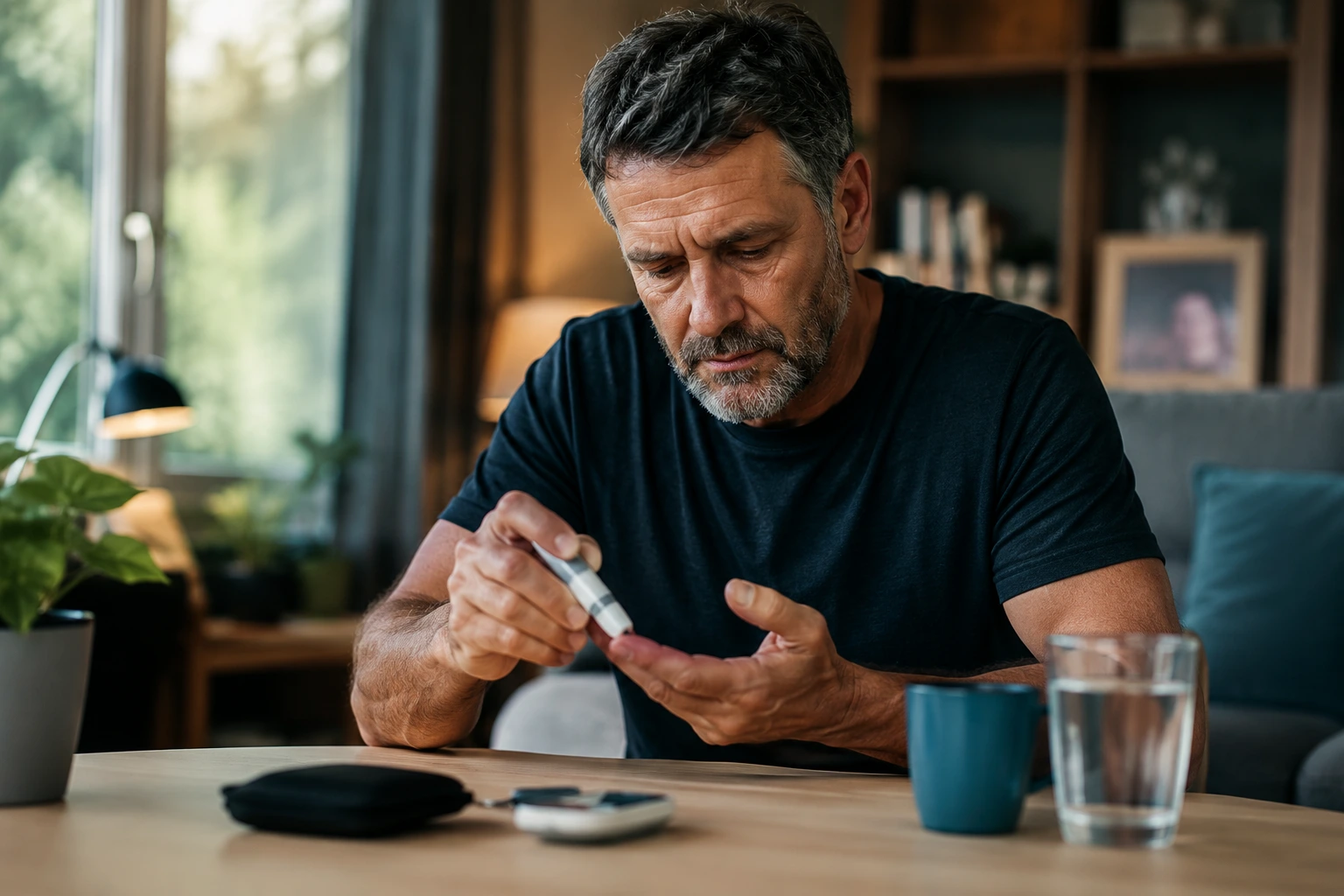
You’re staring at a biological age test result that says you’re five years older than your actual age, and suddenly you’re wondering if everything you thought you knew about your health is wrong.
The science behind biological age
Biological age represents how efficiently your body’s systems are functioning right now, independent of how many years you’ve actually lived. Think of it this way: two women might both be 50 years old chronologically, but one could have the cellular health markers of a 45-year-old while the other resembles a 55-year-old at the biological level. This difference emerges from the intricate interplay between your genetics, which you inherited and cannot change, and your lifestyle choices, which you absolutely can influence. Your body’s cells are constantly renewing themselves, and the speed and quality of this renewal process determines your biological age. Factors like inflammation levels, mitochondrial function, hormone balance, and cellular repair mechanisms all contribute to this measurement. Unlike chronological age, which simply counts calendar years, biological age offers a snapshot of your body’s actual health trajectory and resilience.
Factors influencing biological age accuracy
The accuracy of biological age tests depends on several interconnected variables that researchers are still working to fully understand. The testing method itself matters tremendously: some tests measure DNA methylation patterns, which are chemical tags on your genes that change over time; others assess telomere length, the protective caps on your chromosomes that shorten with age and stress; still others examine combinations of blood markers, genetic expression, or protein levels. The population data the test is calibrated against also significantly impacts accuracy. A test developed primarily on data from younger, healthier populations might not accurately reflect the biological age of women in their 60s or those with specific health conditions. Your personal lifestyle habits create a powerful influence on results: chronic sleep deprivation, high stress levels, poor nutrition, sedentary behavior, and smoking can all accelerate your biological age markers. Additionally, hormonal fluctuations unique to women, including menopause transitions, can temporarily shift these measurements. Environmental exposures, medication use, and even seasonal variations in activity levels can introduce variability into test results.
Determining biological age: a step-by-step guide
Starting your biological age assessment journey requires thoughtful preparation and realistic expectations about what these tests can and cannot tell you. First, consult with a healthcare professional who understands both the science and limitations of biological age testing. This conversation helps you clarify whether a biological age test aligns with your actual health concerns and goals. Some women pursue testing because they want a baseline measurement before making lifestyle changes; others are motivated by curiosity about how their choices have affected their cellular health over time. Second, research the specific testing method carefully. Look for tests that clearly explain which biological markers they measure, how their reference population was selected, and what peer-reviewed research supports their accuracy claims. Reputable tests will provide transparent information about their limitations and will not promise to reverse aging or diagnose disease. Third, follow all preparation instructions precisely. Many tests require fasting, avoiding certain supplements, or timing collection at specific points in your menstrual cycle. These details matter because they reduce variables that could skew results. Finally, plan to discuss your results with someone qualified to interpret them contextually, considering your individual health history and circumstances.
- Consult with a healthcare professional to understand available options
- Research the specific markers and methodology the test uses
- Follow all preparation instructions precisely before testing
- Plan a follow-up consultation to interpret results in context
🔬 Science-backed benefits in 2 minuteschoose where to begin:
Interpreting biological age results
Receiving your biological age results can trigger a complex emotional response, especially if the number surprises or concerns you. A result showing your biological age is higher than your chronological age might feel like a wake-up call, but it’s important to remember that this is a single data point, not a diagnosis or prediction of your future. The interpretation requires understanding what the test actually measured and what it did not measure. If your biological age appears elevated, this typically suggests that some of your cellular health markers are showing patterns associated with aging, which could reflect accumulated stress, lifestyle factors, or simply genetic predisposition. Conversely, a biological age lower than your chronological age suggests your cells are functioning relatively efficiently compared to population averages. However, neither result tells you whether you have disease, how long you will live, or that your health trajectory is fixed. Genetics plays a substantial role that you cannot change, but lifestyle factors like diet quality, movement patterns, stress management, and sleep represent areas where targeted improvements might shift future measurements. A qualified healthcare provider can help you distinguish between results that warrant attention and those that fall within normal variation, and can help you develop realistic, personalized strategies based on your complete health picture.
Biological age accuracy: comparisons and benchmarks
Understanding where your biological age sits relative to your chronological age and to population benchmarks can provide useful context for your health status, though it’s worth approaching these comparisons with nuance. If your biological age is significantly higher than your chronological age, this might suggest that your current lifestyle or genetic factors are creating accelerated cellular aging patterns. Comparing yourself to population benchmarks helps you see whether your results are typical for women your age or whether they suggest a different trajectory. However, these benchmarks have important limitations: they represent averages from specific populations, and individual variation is substantial. A woman with a biological age five years below her chronological age might feel motivated to maintain her current habits, while another woman might feel discouraged by results that seem to contradict how healthy she feels. The most useful approach treats biological age as one piece of information among many. Rather than fixating on whether your number is higher or lower than some benchmark, consider what patterns the test reveals about your specific health markers. Are your inflammatory markers elevated? Is your metabolic function declining? These specific insights matter more than the overall number and can guide more targeted interventions.
Enhancing biological age accuracy through healthy living
If you’re considering biological age testing partly because you want to understand whether your lifestyle choices are working, you’re already thinking about this correctly. The factors that influence biological age are largely the same factors that support overall health and longevity. A balanced diet rich in whole foods, healthy fats, and antioxidants supports cellular repair mechanisms and reduces chronic inflammation. Regular physical activity, including both cardiovascular exercise and strength training, maintains mitochondrial function and supports metabolic health. Effective stress management, whether through meditation, time in nature, creative pursuits, or social connection, reduces cortisol and inflammatory markers that accelerate aging. Quality sleep, typically seven to nine hours nightly, is when your body performs critical cellular repair and detoxification. These lifestyle factors work synergistically, meaning that improvements in one area often amplify benefits in others. A woman who starts sleeping better often finds she has more energy for exercise; improved fitness frequently reduces stress and improves sleep quality. Rather than viewing biological age testing as a judgment of your current state, consider it as a potential motivator for sustainable habit changes. The goal is not perfection but consistent, realistic improvements that you can maintain long-term.
Biological age reflects how well your body’s cells and systems are functioning compared to population averages, offering a different perspective than chronological age alone. The accuracy of biological age tests varies based on the specific markers measured, the reference population used, and individual factors including genetics, lifestyle, and health status. While you cannot change your genetic inheritance, lifestyle factors including nutrition, exercise, stress management, and sleep quality can influence your biological age markers over time. Understanding your results requires context and professional guidance rather than treating the number as a definitive measure of your health or lifespan. Biological age testing works best as one tool among many for understanding your health status and motivating sustainable lifestyle improvements.
How accurate are biological age tests?
Biological age tests can provide meaningful insights into certain aspects of your cellular health, but accuracy varies considerably depending on which test you choose and which biological markers it measures. Some tests have stronger scientific validation than others, and individual factors including genetics, current health status, and lifestyle all influence how accurately any test reflects your actual biological aging rate. Results should always be interpreted in consultation with a healthcare professional rather than treated as definitive measurements.
Can biological age be reversed?
While biological age cannot be completely reversed, research suggests that certain biological age markers can improve with sustained lifestyle changes. Consistent efforts in nutrition, regular physical activity, stress reduction, and quality sleep can positively influence cellular health markers over months and years. However, genetics plays a significant role that cannot be changed, and results vary considerably between individuals. The realistic goal is supporting your body’s natural repair processes rather than expecting dramatic reversal.
Others also read:
Disclaimer: This article is for informational purposes only and is not a substitute for professional medical advice. Always consult a healthcare professional for personal guidance.
This article has been prepared and reviewed by the GlobalHealthBeacon editorial team and is based on current medical research and published scientific literature available in 2026. It provides structured, evidence-based information to support informed health decisions.
