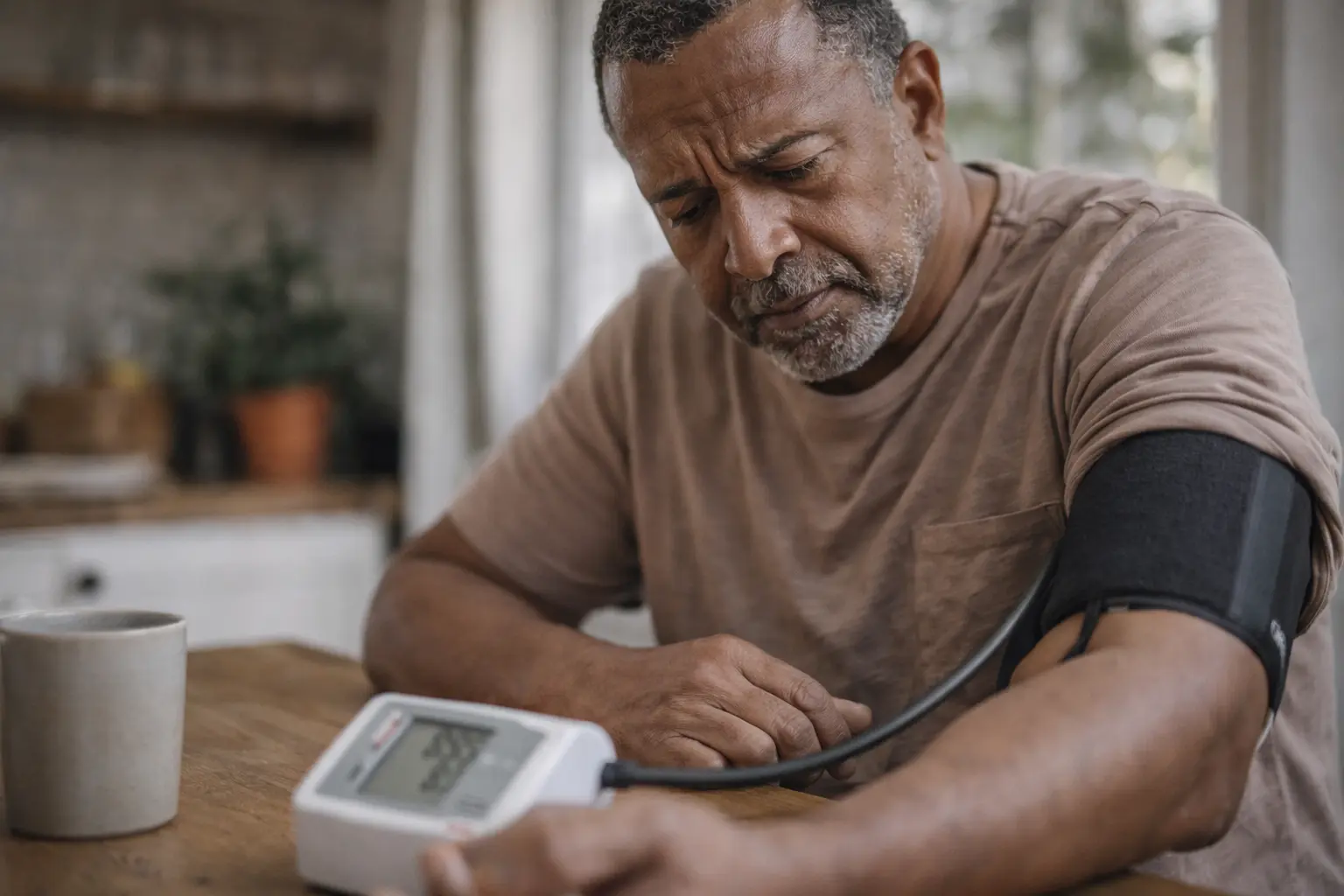
You check your numbers at the doctor’s office and walk out confused, wondering what 130/85 actually means for your body and your future, but nobody really explains it in a way that sticks.
Understanding blood pressure numbers
Blood pressure is measured using two numbers, and understanding what each one represents is the foundation of managing your health. The systolic pressure, shown as the top number, reflects the force your blood exerts against artery walls when your heart contracts and pumps blood throughout your body. The diastolic pressure, the bottom number, measures that same force when your heart relaxes between beats. Think of it like the difference between the pressure when you squeeze a stress ball and the pressure when you release it. For women, knowing these numbers matters because hormonal changes across your lifetime can influence your readings. Your healthcare provider uses these measurements to assess your cardiovascular risk and determine whether lifestyle changes or medication might be necessary. Normal readings fall below 120/80 mmHg, elevated readings range from 120-129 and less than 80, Stage 1 hypertension sits between 130-139 or 80-89, and Stage 2 hypertension exceeds 140/90 mmHg. Low blood pressure, or hypotension, occurs below 90/60 mmHg and can cause dizziness or fatigue. Tracking these numbers over time reveals patterns that single readings cannot show.
- Normal blood pressure is considered to be less than 120/80 mmHg.
- High blood pressure (hypertension) is when your readings consistently exceed 140/90 mmHg.
- Low blood pressure (hypotension) is when your readings fall below 90/60 mmHg.
Importance of blood pressure monitoring
Regular blood pressure monitoring serves as an early warning system for conditions that often develop silently without obvious symptoms. Many women discover they have hypertension only during routine check-ups, which is why consistent monitoring becomes essential rather than optional. Uncontrolled high blood pressure damages your arteries over time, increasing your risk of heart attack, stroke, and kidney disease. For example, a woman in her 50s might have readings of 145/92 mmHg for years without feeling anything unusual, yet her arteries are gradually thickening and narrowing. By the time she experiences a symptom like chest discomfort or shortness of breath, significant damage may have already occurred. Conversely, extremely low blood pressure can trigger dizziness, fainting spells, or difficulty concentrating, which affects your daily functioning and safety. Home monitoring devices allow you to track patterns between doctor visits, revealing how stress, sleep, caffeine, or exercise influence your numbers. This data becomes invaluable for conversations with your healthcare provider and helps you understand which lifestyle factors most impact your individual readings.
📘 Fix your day in under 2 minuteschoose where to begin:
Factors affecting blood pressure
Your blood pressure does not exist in isolation; it responds to multiple factors both within and outside your control. Genetics play a significant role, meaning if your mother or grandmother had hypertension, your risk increases substantially. Age also matters because blood vessels naturally become stiffer as you grow older, which tends to raise systolic pressure. Diet directly impacts your readings through sodium intake, sugar consumption, and overall calorie balance. A woman who regularly eats processed foods high in salt might see her readings climb from 125/80 to 138/88 within months. Physical activity level influences blood pressure because regular exercise strengthens your heart and improves vessel flexibility. Stress triggers temporary spikes in your readings, and chronic stress keeps your pressure elevated over time. Hormonal changes during menopause can shift your blood pressure patterns due to declining estrogen levels. Underlying conditions like thyroid disease, sleep apnea, or kidney problems also affect your numbers. Understanding which factors you can modify through lifestyle choices empowers you to take meaningful action rather than feeling helpless about your health.
Tips for maintaining healthy blood pressure
Managing your blood pressure effectively combines multiple strategies rather than relying on a single approach. Start by reducing sodium intake to less than 2,300 mg daily, which means reading food labels carefully and cooking at home more often since restaurant meals typically contain excessive salt. Limit alcohol to no more than one drink daily for women, as excessive drinking raises blood pressure and increases cardiovascular risk. If you smoke, quitting is one of the most impactful changes you can make because nicotine constricts blood vessels and increases heart rate. Manage stress through relaxation techniques like deep breathing, meditation, yoga, or simply spending time in nature. A woman who practices 10 minutes of daily meditation might reduce her systolic pressure by 5-10 mmHg over several weeks. Exercise regularly with at least 150 minutes of moderate-intensity activity weekly, such as brisk walking, swimming, or cycling. Maintain a healthy weight because excess weight forces your heart to work harder. Increase potassium-rich foods like bananas, spinach, and sweet potatoes, which help counterbalance sodium effects. Limit caffeine if you notice it raises your readings. These modifications work synergistically, meaning combining several approaches produces better results than implementing any single strategy alone.
When to seek medical help
Knowing when to contact your healthcare provider versus when to seek emergency care distinguishes between routine management and urgent situations. Schedule a regular appointment if you notice consistently elevated readings at home, experience new symptoms like persistent headaches or fatigue, or if your blood pressure medication seems less effective than before. Seek immediate emergency care if you experience severe headaches combined with chest pain, vision changes, shortness of breath, or nosebleeds, as these may indicate a hypertensive crisis requiring urgent intervention. A woman experiencing sudden severe headache, blurred vision, and chest tightness should call 911 rather than waiting for a routine appointment. Do not ignore symptoms or assume they will resolve on their own. Contact your doctor if you start a new medication or supplement that might affect your blood pressure, or if you experience side effects from current blood pressure medications. Keep a blood pressure log to share with your healthcare provider, noting the date, time, readings, and any symptoms or stressors present. This information helps your provider identify patterns and adjust your treatment plan accordingly. Your healthcare provider can perform additional tests like EKG or blood work to assess your overall cardiovascular health and recommend personalized management strategies based on your individual risk factors.
Understanding blood pressure numbers, monitoring them regularly, considering influencing factors, adopting a healthy lifestyle, and seeking medical help when needed are key aspects of managing your blood pressure effectively.
What do the numbers in a blood pressure reading mean?
The top number (systolic pressure) represents the pressure in your blood vessels when your heart beats, while the bottom number (diastolic pressure) indicates the pressure when your heart rests between beats. Normal blood pressure is typically less than 120/80 mmHg.
Can stress affect my blood pressure readings?
Yes, stress can temporarily elevate your blood pressure. Managing stress through relaxation techniques, exercise, and mindfulness can help maintain healthy blood pressure levels.
Others also read:
Disclaimer: This article is for informational purposes only and is not a substitute for professional medical advice. Always consult a healthcare professional for personal guidance.
This guide has been prepared and reviewed by the GlobalHealthBeacon editorial team and reflects current medical research as of 2026. It provides structured, evidence-based information to support informed health decisions.
