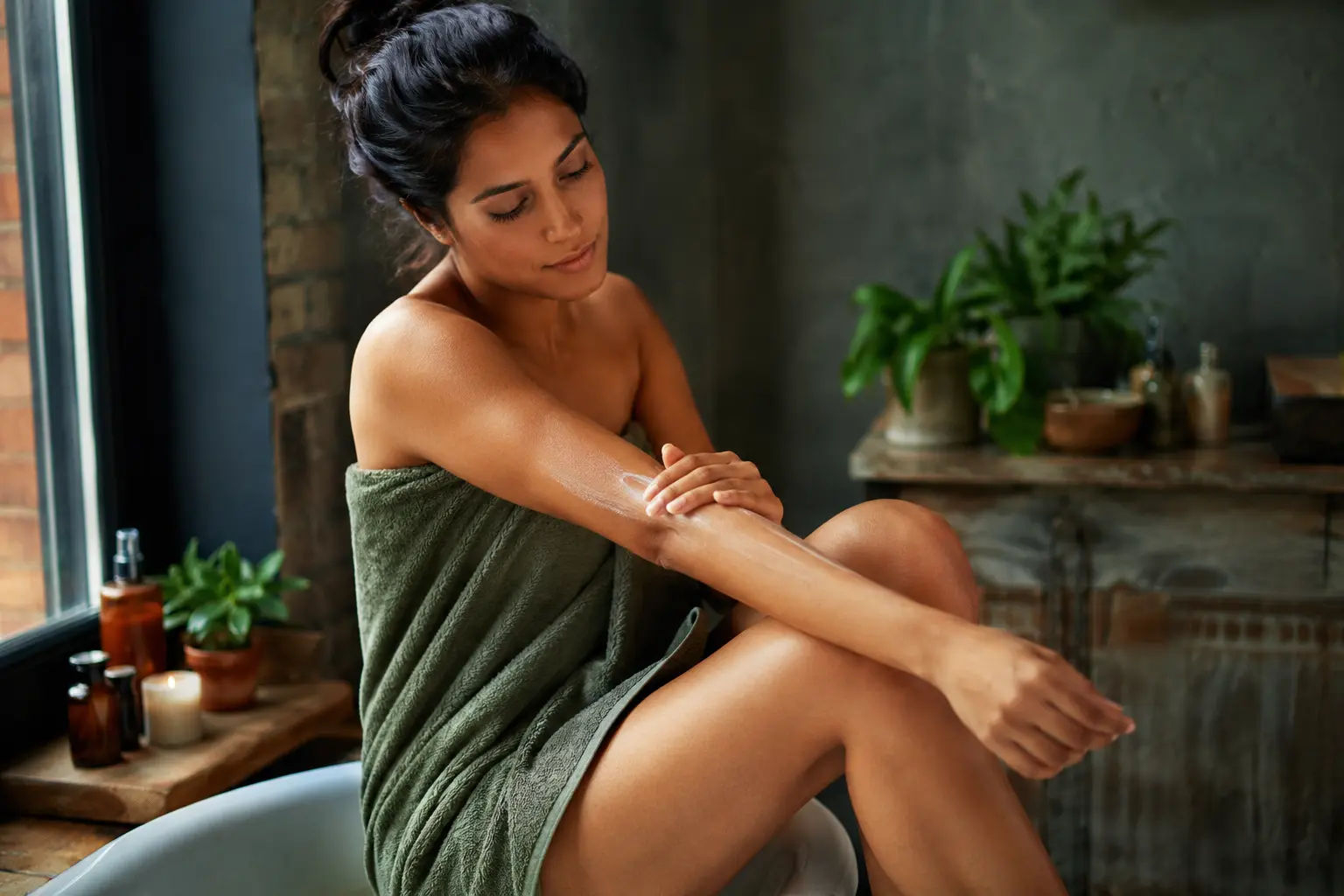
Your body skin care routine has become a daily battle against flaky, tight skin that no amount of lotion seems to fix, leaving you frustrated and wondering if this is just something you have to accept now.
Moisturizing secrets for soft, supple skin
Hydration is genuinely the foundation of everything when it comes to tackling dryness. Think about it this way: if your skin feels parched by midday, you’re probably not using the right moisturizer or applying it at the right time. Rich, nourishing moisturizers with ingredients like shea butter and hyaluronic acid work because they actually seal moisture into your skin rather than just sitting on top. The real trick is timing. Apply your moisturizer immediately after showering when your skin is still slightly damp, because that’s when it absorbs best. Many seniors find that switching to products without fragrance makes a huge difference too, since fragrances can trigger irritation you didn’t even know you had. A humidifier in your bedroom or living room helps tremendously in dry climates or during winter months. And gentle exfoliation once or twice a week removes those dead skin cells that block moisturizers from doing their job properly.
- Choose fragrance-free products to minimize irritation.
- Consider using a humidifier in dry environments to boost skin hydration.
- Exfoliate gently to remove dead skin cells and allow moisturizers to penetrate deeply.
Combatting age-related skin changes
As we age, our skin naturally loses elasticity and collagen, which is why you might notice age spots, fine lines, or a general loss of firmness that wasn’t there before. This isn’t something to feel discouraged about, it’s just how skin evolves. Body lotions containing retinol or niacinamide can genuinely help address these visible signs because they work at a deeper level to support skin renewal. Retinol encourages cell turnover, while niacinamide strengthens your skin barrier and reduces redness. Many seniors report seeing real improvements in skin texture within a few weeks of consistent use. Beyond products, regular massages with nourishing oils like argan or jojoba oil actually improve circulation to your skin, which brings more oxygen and nutrients to the surface. This simple practice takes just five minutes but makes your skin look firmer and feel more alive. Some people find that combining a good moisturizer with gentle massage and targeted serums creates noticeable improvements in how their skin looks and feels.
💬 Ready to feel better in 2 minutes?choose where to begin:
Handling sensitivity and irritation
Increased skin sensitivity is incredibly common as we get older, and it can be frustrating when your skin suddenly reacts to products that worked fine for years. Redness, itchiness, or that tight burning sensation often signal that your skin barrier needs gentler care. Switching to hypoallergenic, fragrance-free cleansers and moisturizers is usually the first step that makes a real difference. Avoid harsh exfoliants and instead look for soothing ingredients like aloe vera, chamomile, or colloidal oatmeal, which calm inflammation naturally. Many seniors find that their sensitive skin actually improves when they simplify their routine rather than add more products. If you’re dealing with persistent itching or redness, it’s worth noting that sometimes the issue stems from water temperature during showers, so lukewarm water is gentler than hot. Patch testing new products on a small area first helps you avoid a full-body reaction, saving you weeks of discomfort.
Sun protection for healthy skin
Protecting your skin from UV rays becomes even more important as we age because cumulative sun damage shows up as spots, wrinkles, and texture changes that are hard to reverse. Using broad-spectrum sunscreen with an SPF of at least 30 is non-negotiable if you spend time outdoors, and many dermatologists recommend SPF 50 for seniors. The key is reapplying every two hours when you’re outside, especially after swimming or sweating. Beyond sunscreen, wearing long-sleeved shirts, wide-brimmed hats, and seeking shade during peak sun hours (10am to 4pm) provides real protection without relying on products alone. Many seniors find that combining these habits with a good moisturizer that contains antioxidants creates a powerful defense against environmental damage. Think of sun protection as an investment in your skin’s future health, not just today’s appearance. Consistent protection now prevents age spots and other damage from becoming more pronounced in the coming years.
Discover effective solutions for body skin care routines that cater to seniors’ specific needs. From combating dryness with hydrating creams to addressing age-related changes and sensitivity issues, these tips provide a holistic approach to achieving soft, healthy skin. Additionally, incorporating sun protection measures is essential for preventing sun damage and maintaining skin wellness.
Can I use the same skincare products on my body as I do on my face?
While some facial products may be suitable for body use, it’s best to choose formulations specifically designed for the body. Body products tend to be more hydrating and less likely to cause breakouts on the skin.
How often should I exfoliate my body skin?
Exfoliating 1-2 times a week is typically sufficient for most skin types. Avoid over-exfoliating, as this can strip the skin of its natural oils and lead to irritation.
Others also read:
Disclaimer: This article is for informational purposes only and is not a substitute for professional medical advice. Always consult a healthcare professional for personal guidance.
This article presents an experience-based perspective and has been reviewed by the GlobalHealthBeacon editorial team in 2026. It provides structured, evidence-based information to support informed health decisions.
